


Crimson Tide’s Unrelenting Drive: Beyond the Box Score in Tuscaloosa’s Crucible
POLICY WIRE — Tuscaloosa, Alabama — The relentless beat of ‘Sweet Home Alabama’ thundered through Sewell-Thomas Stadium, not just a fight song, but an almost tribal declaration of dominion. Forget...

POLICY WIRE — Tuscaloosa, Alabama — The relentless beat of ‘Sweet Home Alabama’ thundered through Sewell-Thomas Stadium, not just a fight song, but an almost tribal declaration of dominion. Forget the crisp crack of the bat, the dizzying ballet of a stolen base; what really hung heavy in the air this past Saturday wasn’t just another game of college baseball. It was the crushing weight of expectation, the stark, brutal clarity of a system designed to churn out champions—or break those who stand in the way. And, boy, did Alabama make it clear they weren’t planning on breaking.
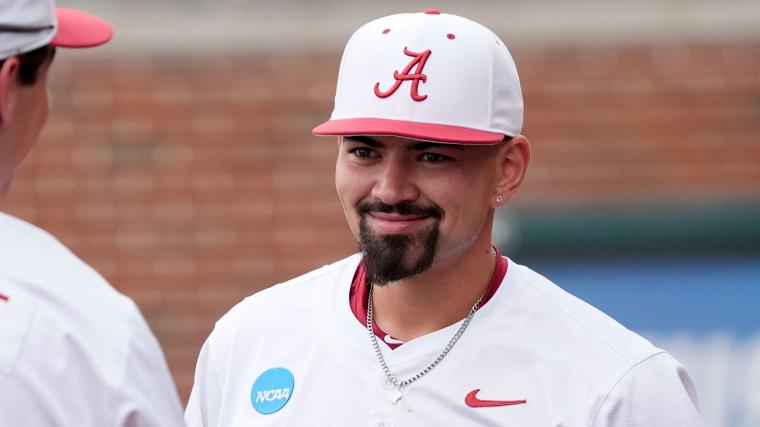
Alabama’s Crimson Tide baseball team, a veritable juggernaut this season, isn’t just winning games; they’re manufacturing destiny. Their decisive 8-0 thrashing of St. John’s, moving them just one victory away from their first College World Series appearance in Omaha since ’99, wasn’t merely a scoreline. It was a statement. A cold, hard, definitive blow delivered in the furnace of a Super Regional, a testament to what happens when momentum meets ambition head-on. St. John’s Red Storm, spirited but outgunned, now finds themselves at the precipice—needing two improbable wins to avoid an early flight home.
This isn’t about stats alone, although we’ve got ’em. The raw power on display from players like Jason Torres, whose four RBIs helped cement Alabama’s control, speaks volumes. But it’s also about narrative, isn’t it? About an institution that’s essentially synonymous with winning. It’s ingrained. “We’ve been building for this,” head coach Rob Vaughn told a throng of eager reporters after the game, a subtle glint in his eye. “It isn’t about one player, or even one season. It’s about cultivating that absolute refusal to yield. That’s what defines us.”
St. John’s, on the other side of this, represents the gritty, often overlooked struggle of the determined underdog. Their coach, whose face told a story of a long day’s battle, tried to put a brave face on it. “We played hard; they just played… better,” he conceded, a sigh barely escaping his lips. “We’ll fight another day. You always fight another day, because that’s what this sport, and really, life, teaches you.” But it’s an uphill climb from here, a Grand Canyon of a deficit that only grows wider with each passing inning.
The statistical realities are unflinching, too. Alabama’s Zane Adams, for example, pitched 6.1 innings, striking out eight. According to official NCAA records, his 4.0 ERA this season is indicative of a pitcher finding his elite stride when it matters most, making every pitch a calculated weapon. Meanwhile, St. John’s batters could only manage two runs, six hits. That’s a gulf, a chasm in performance, — and sometimes, no amount of fighting spirit can bridge it.
What we’re seeing here—the almost clinical dismantling of one team by another with overwhelming resources and a powerful winning culture—reminds one of larger, geopolitical power dynamics. Think about the pursuit of national objectives on a grander stage; where smaller nations, perhaps like Pakistan striving for stability in a volatile neighborhood, face the daunting strategic power of larger, entrenched players. Or consider India’s quest for technological sovereignty, often encountering resistance from well-established global giants. These baseball clashes, albeit on a far smaller scale, echo a similar universal drama: the aspiring challenger against the established order, the audacious ambition of a lesser-known entity battling the might of tradition and well-oiled machinery.
📄 POLICY WIRE WHITEPAPER PUBLISHED: PAKISTAN'S NATIONAL SECURITY POLICY PRIORITIES
👉 READ BY CLICKING HEREBecause, ultimately, this isn’t just a game; it’s a spectacle, broadcast on ESPN2, devoured by millions. It embodies the high stakes, the relentless drive for superiority, that resonates far beyond the manicured green of the diamond. And with coverage set to resume on Sunday at 4 p.m. ET (weather permitting, because even destiny pauses for thunderstorms), all eyes will be on Tuscaloosa, watching whether the Crimson Tide rolls over its opponent to clinch its place in the history books, or if the Red Storm can summon an improbable hurricane.
What This Means
The implications of Alabama’s near-certain advancement extend beyond merely a trip to Omaha. Economically, a College World Series berth for such a prominent athletic program generates significant revenue, boosting the university’s brand and feeding the regional sports economy. From a political standpoint (of the campus variety, if not national), it solidifies the current athletic department’s strategy and funding, potentially influencing donor contributions and student athlete recruitment for years. But for St. John’s, this potential defeat, while painful, isn’t an endgame. Their spirited run to the Super Regional elevates their program, providing invaluable exposure that, with careful management, could translate into future success. This contest, therefore, is a microcosm of competitive environments everywhere: success validates the dominant, but valiant efforts by the challenger can reshape the landscape. The brutal simplicity of decision, indeed. One misstep can erase seasons of effort.