


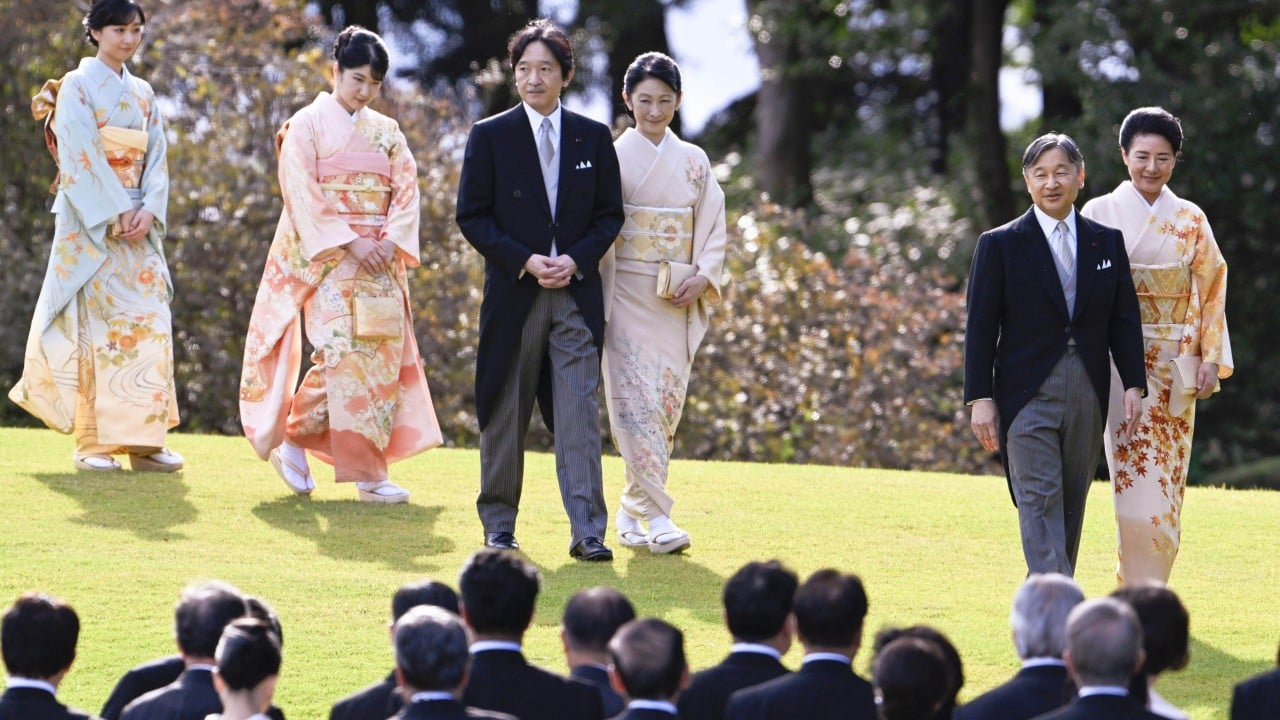
Japan Parliament Approves Imperial Law Revision to Address Shrinking Monarchy
Japan's parliament has revised the Imperial House Law to tackle the issue of a shrinking royal family, maintaining the male-only succession system.

POLICY WIRE — Tokyo, Japan — Japan’s parliament approved a revised Imperial House Law on Friday, aimed at addressing the issue of the shrinking royal family. The revision maintains the long-standing male-only succession system, despite public support for the possibility of female emperors.
The first substantive revision to the 1947 law introduces two significant changes. Firstly, it permits the adoption of males aged 15 and over from former branch families descended from emperors through the male line. Secondly, it allows female members to retain their imperial status even after marriage.
The legislation comes amid concerns over the decreasing number of male heirs in the Japanese imperial family. According to the Imperial Household Agency, there are currently only one male heir under the age of 20, raising questions about the future of the monarchy.
Public opinion in Japan has shown support for altering the male-only succession rule. A 2018 survey by the government indicated that a majority of Japanese citizens favored the possibility of a female emperor. However, the current revision doesn’t include provisions for female succession.
The debate over the Imperial House Law reflects broader discussions about tradition, modernity, and gender equality in Japanese society. While the revisions aim to ensure the continuity of the imperial line, they also highlight the tensions between preserving historical norms and adapting to contemporary values.
Reporting by Policy-Wire (PW)