


Nigeria’s Failed Coup Bid Unravels Nollywood Link, Deep State Fears
POLICY WIRE — Abuja, Nigeria — It’s not every day a nation’s security apparatus, that sprawling neural network of the state, manages to prise open a plot to overthrow its government, only to...

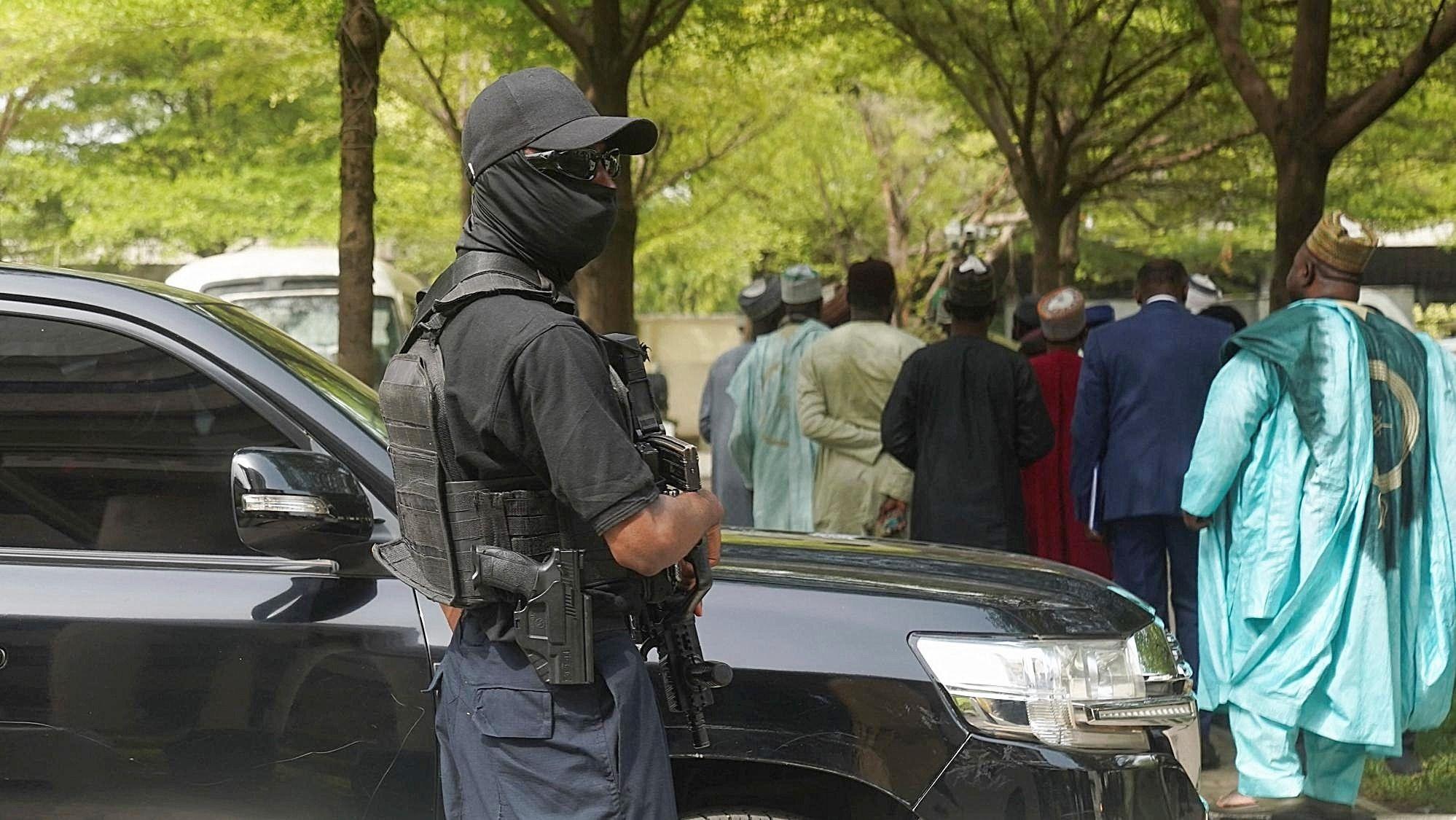
POLICY WIRE — Abuja, Nigeria — It’s not every day a nation’s security apparatus, that sprawling neural network of the state, manages to prise open a plot to overthrow its government, only to stumble upon a prominent movie star among the alleged conspirators. Nigeria, West Africa’s economic behemoth, finds itself wrestling with precisely that surreal reality after authorities recently delineated a foiled coup attempt—a saga that’s mesmerized and rattled a public (and frankly, the international community) already wary of political instability.
A jarring shift. Few could’ve fathomed the involvement of such a high-profile figure in a scheme typically associated with military strongmen or shadowy political elites. But the arrest of Nollywood actor Chioma Okoye, along with several active military personnel, has dramatically upended the narrative, injecting an element of celebrity intrigue into a deeply gravitas-laden national security issue. Don’t kid yourself, this ain’t some made-for-TV drama; it’s a raw, jolting reminder of the democratic fabric, delicate as old lace, in a nation all too accustomed to political upheaval.
So, the details emerging from intelligence sources intimate a conspiracy far grander than initial reports had let on. We’re talking about a clandestine network reportedly funded by exiled politicians and aggrieved business magnates, all eager to exploit widespread public discontent. Their alleged plan? To unhinge the President Bola Tinubu administration, barely a year into its term, under the guise of restoring order—a novel approach to public service, one might say.
“This government will not tolerate any threats to our nascent democracy,” declared President Tinubu in a terse, televised address from Aso Rock, his voice firm. “Those who seek to undermine the will of the Nigerian people will face the full force of justice.”
It’s a sentiment reverberating across the political spectrum, though the root catalysts of such discontent remain thorny indeed.
For decades, Nigeria has wrestled with the specter of military intervention, a history that’s thrown a colossal, inky pall over its democratic aspirations. This latest attempt, however, illuminates a more contemporary threat: economic hardship and public frustration, a potent powder keg now being weaponized by those with deep pockets and even deeper ambitions. When you consider that Nigeria, Africa’s most populous country, also hosts nearly half of West Africa’s entire population, according to the United Nations Population Fund (UNFPA), its stability isn’t just a domestic concern—it’s a regional exigency, a linchpin in a very delicate geopolitical architecture.
And yet, the very inclusion of a beloved figure like Okoye suggests an attempt to cultivate popular sympathy, perhaps even sanctifying the conspirators’ aims in the eyes of a segment of the populace. How could someone so admired fall into such a dangerous web? Questions proliferate, but the official narrative points to significant financial inducements and, disquietingly, alleged promises of key roles in a post-coup administration.
Related: UK Households Brace for Food Inflation Spike as Economic Pressures Mount
The government’s crackdown, let’s just say, has been swift, with multiple arrests reported across several states. Officials say they’ve intercepted encrypted communications and traced substantial financial transfers, painting a bleak tableau of a well-organized, if ultimately clumsy, plot.
“They sought to exploit legitimate grievances, to turn our people against their elected leaders,” stated Dr. Aisha Bello, a government spokesperson, during a recent press briefing. “But Nigerians are wiser than they give us credit for. We’ve come too far to turn back the clock on democracy.”
This sentiment’s particularly reverberant in the broader Muslim world and South Asia, where nations like Pakistan have a similarly tempestuous history with military coups and the precarious equilibrium between civilian rule and military power—an ever-present tightrope walk between civilian authority and military might, often fraught with peril. The constant threat of extra-constitutional interventions, often fueled by economic woes or perceived governmental failures, creates a ubiquitous atmosphere of uncertainty that stymies long-term development. Nigeria’s current predicament serves as an unvarnished reminder of this enduring fragility.
What This Means
The unfurling of this coup plot carries profound implications, not just for Nigeria but for the entire West African region, already gasping from a deluge of military takeovers in neighboring countries like Niger and Mali. Politically, it buttresses Tinubu’s position, allowing him to exhibit resolve and fortify his control, at least in the short term. However, the underlying grievances – rampant inflation, high unemployment, and pervasive insecurity – haven’t evaporated. In fact, they’ve been magnified by the very exposure of this plot. Talk about irony.
Economically, the incident could dissuade foreign investment, compounding an already arduous fiscal environment. Investors, always apprehensive about instability, will watch closely for signs of genuine reform — and sustained peace. Diplomatically, Nigeria, a key regional power — and a bulwark against extremism, faces renewed microscope. Its ability to radiate fortitude and stability is pivotal for regional security, particularly given its active role in the Economic Community of West African States (ECOWAS).
Beyond the headlines, the episode forces a national reckoning: how do you confront legitimate public frustrations without unwittingly cultivating fertile ground for those who wish to seize power violently? That’s the fundamental quandary facing Abuja. A tough nut to crack.
The math is unsparing: Without confronting the socio-economic conditions that engender such desperation, Nigeria will likely continue to be a quarry for opportunistic plotters. Political analyst Professor Adebayo Olufemi of the University of Ibadan suggests the government must now veer decisively to governance. “They’ve forestalled a crisis, yes,” he remarked in a recent interview, “but the real victory will be won in the markets, in the streets, and in the confidence of the common people. That’s where democracy truly takes root, or begins to atrophy.” His words offer a sobering, yet clear, path forward. A path, mind you, fraught with challenges.