


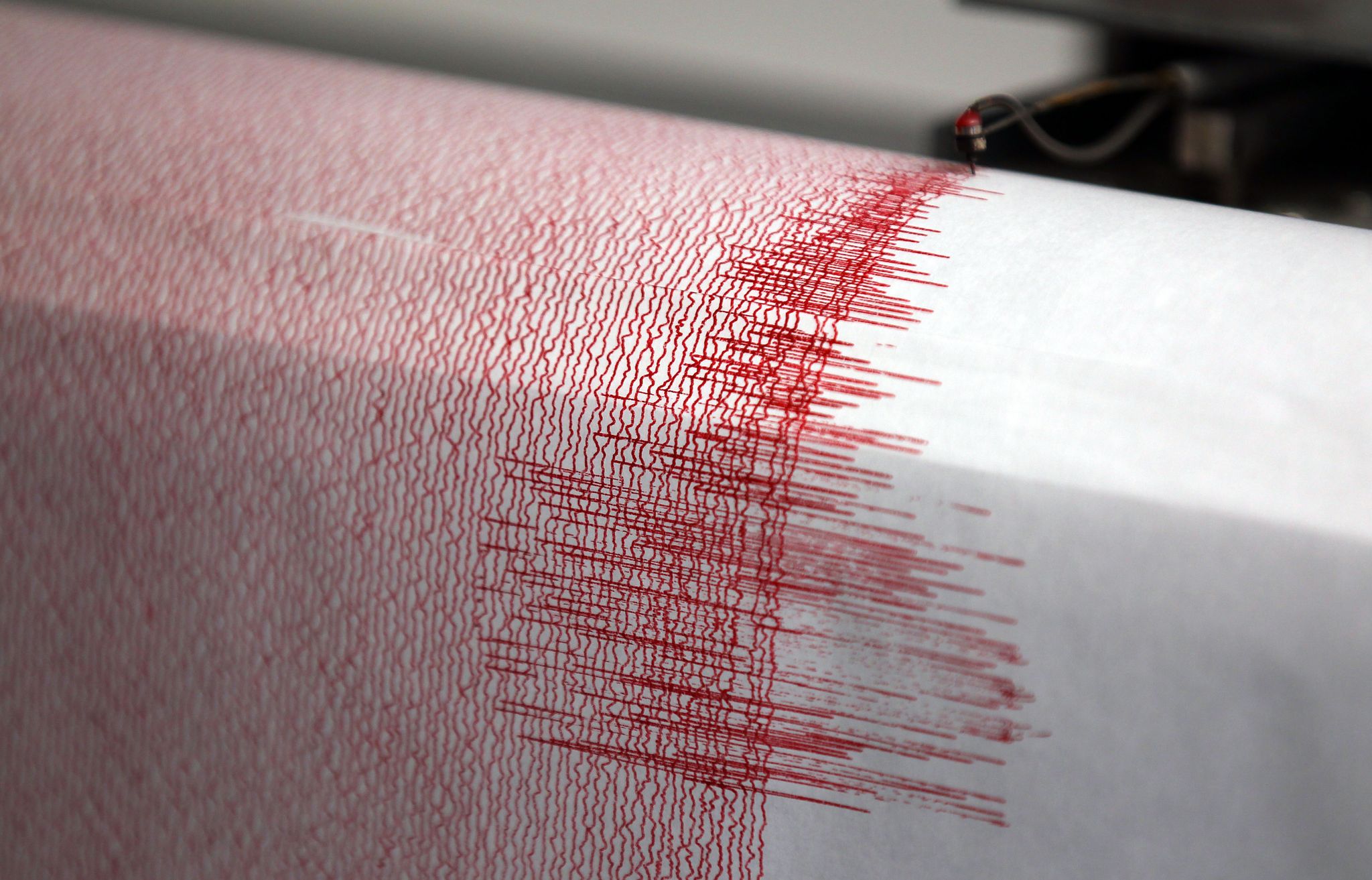
Caracas Tremors Echo Deeper Fractures in a Nation Already on the Brink
POLICY WIRE — Caracas, Venezuela — Nature, it turns out, plays no favorites. Not with autocrats, not with ailing economies, — and certainly not with the long-suffering citizens caught between. So it...

POLICY WIRE — Caracas, Venezuela — Nature, it turns out, plays no favorites. Not with autocrats, not with ailing economies, — and certainly not with the long-suffering citizens caught between. So it was when a pair of powerful earthquakes—magnitudes 7.5 and 7.2—ripped through Venezuela, shaking a nation already listing badly. The tremors weren’t just geological; they sent fresh shivers through a populace accustomed to living on the edge, exacerbating the slow-motion collapse already underway. It’s almost a cruel metaphor, isn’t it?
Buildings swayed violently, fear gripped city centers, and emergency services—what’s left of them—struggled to assess damage. But this isn’t just about cracked plaster — and rattled nerves. It’s about how a country on life support handles yet another catastrophic blow, a crisis superimposed on chronic shortages and political paralysis. And because its infrastructure is largely neglected, every minor incident here becomes a potential disaster. Power flickered. Communications strained. The familiar script of government reassuring its people of control, even as that control slips, began to play out.
“Our people demonstrated remarkable resilience, an unbreakable spirit in the face of these natural challenges,” declared Interior Minister Remigio Ceballos Ichaso, his voice unwavering during a televised address. He didn’t elaborate much on the specific response logistics or damage estimates. “We’ve activated all necessary protocols, — and thanks to the revolution’s foresight, we’re prepared for any eventuality. Venezuela stands strong.” A predictable narrative, certainly, but one increasingly hard to sell when residents are literally picking through the rubble, some without basics like clean water for days before the earth moved.
But the ‘resilience’ Minister Ichaso touts is often less a testament to state capacity and more a stark reflection of Venezuelans’ daily struggle simply to survive. Imagine dealing with rolling blackouts, rampant hyperinflation, and food scarcity, only to have your home violently shaken apart. The International Federation of Red Cross and Red Crescent Societies estimates that over 8 million people require humanitarian assistance in Venezuela – a figure likely to climb with further displacement and infrastructure damage from these quakes. That’s more than a quarter of the population, facing a gauntlet even before nature weighed in. But it doesn’t get easier when outside help is hampered by political intransigence.
“Aid organizations face an uphill battle in Venezuela even under normal circumstances. These earthquakes don’t just complicate logistics; they fundamentally deepen the existing humanitarian crisis,” noted Dr. Anya Sharma, a regional disaster preparedness analyst with years observing state responses across the globe, from the tsunamis in Southeast Asia to the more recent floods in Pakistan. “The usual mechanisms for rapid response are already so attenuated there. We’re talking about basic roads and communication networks—it’s not just the shaking; it’s the aftermath. The cracks were always there. Now they’re wider.”
Venezuela, sitting on the active Caribbean Plate, is no stranger to seismic activity; the country registers an average of over 200 minor quakes annually, though these larger magnitudes are thankfully less common. This latest duo, however, hit at a moment when the state’s capacity to cope is at its nadir. Sanctions, mismanagement, — and political infighting have stripped Caracas of resources and expertise. Getting a reliable assessment of the impact, let alone coordinating relief, becomes an exercise in bureaucratic purgatory.
Consider the contrast: when devastating earthquakes strike countries like Pakistan—a nation that itself has faced severe infrastructure challenges and geopolitical pressures—there’s often an immediate, if sometimes chaotic, international surge of assistance. Teams arrive from Turkey, from the UAE, from China. But for Venezuela, its political isolation acts as an invisible, impermeable wall. That wall compounds the misery, making international assistance less swift, less comprehensive, and infinitely more politically charged.
What This Means
The geopolitical implications here aren’t subtle. These seismic events function as a stress test, exposing the deep vulnerability of an authoritarian regime already clinging to power amidst unprecedented economic collapse. For Nicolás Maduro’s government, minimizing damage and projecting control becomes paramount, not just for public morale but for international perception. Any admission of widespread devastation or inability to cope would be a gift to opposition forces and a validation for nations pushing for regime change.
Economically, any widespread damage to infrastructure—roads, ports, power grids—represents an immediate, irreparable blow to an already decimated productive capacity. Venezuela can barely repair a pothole in peacetime; major reconstruction efforts seem an impossible ask. And it certainly can’t afford them. This situation could accelerate the exodus of its citizens, adding to the refugee crisis already straining neighboring countries. That’s a crisis Latin America frankly doesn’t need. The tremors may have ceased for now, but the ground beneath Venezuela remains perilously unstable, metaphorically and literally.