

Caracas Tremors: Earthquakes Jolt Venezuela’s Fractured Reality
POLICY WIRE — Caracas, Venezuela — Forget the rolling blackouts, the currency spirals, or the endless political grandstanding for a moment. Nature, it seems, has little regard for a nation’s...

POLICY WIRE — Caracas, Venezuela — Forget the rolling blackouts, the currency spirals, or the endless political grandstanding for a moment. Nature, it seems, has little regard for a nation’s man-made woes. When the earth decided to shudder violently across Venezuela this week, it didn’t discriminate between Chavista loyalists and opposition strongholds. But the tremors—powerful, disconcerting jolts felt widely—did brutally expose the fragile state of a country already held together by spit and prayer.
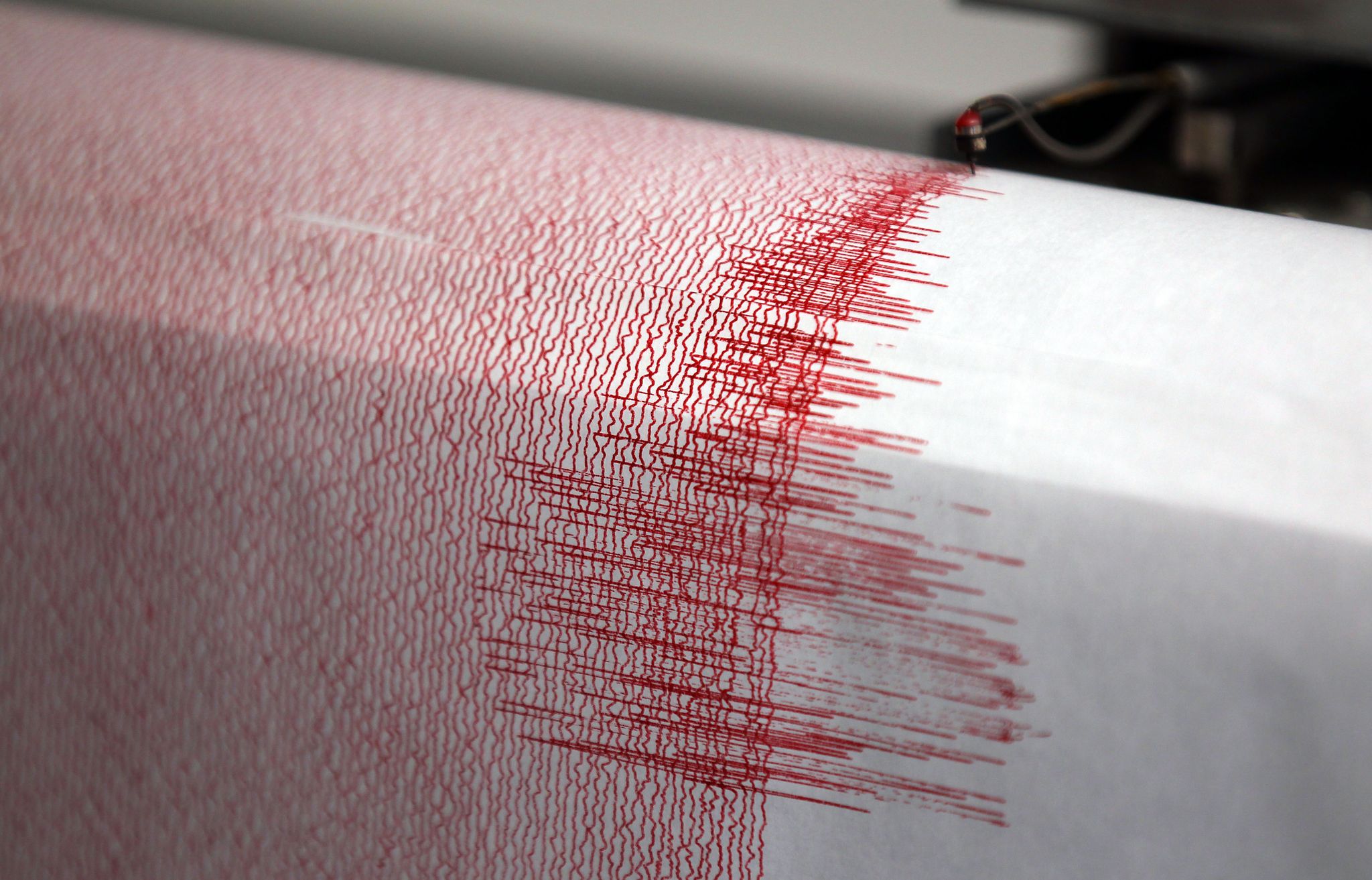
It’s not the initial magnitude that concerns seasoned observers; it’s the ripple effect, the fresh cracks in a society long splintered. Buildings swayed, residents spilled onto streets, their faces etched with a familiar despair. What began as geological unease quickly morphed into a mirror for Venezuela’s chronic fragility, where a minor emergency can cascade into a full-blown humanitarian disaster faster than you can say ‘resource curse.’ Officials from the government-controlled seismic foundation FUNVISIS were quick to report multiple significant quakes, with magnitudes reportedly reaching above 5.0 on the Richter scale—a sobering measurement, sure, but the true damage always lies beyond the numbers, doesn’t it?
President Nicolás Maduro, ever the maestro of rhetoric, was quick to project an image of calm authority, though not necessarily swift action. “We’re facing this challenge, as we face all challenges, with the unbreakable spirit of our Bolivarian Revolution,” he declared in a broadcast laden with the usual revolutionary fervor. “The people are resilient, and our socialist infrastructure, built through decades of dedication, will stand firm against any adversity, natural or otherwise.” It’s a defiant statement, meant to reassure, but perhaps too dismissive of the grinding reality outside his Palacio de Miraflores.
But the grim facts on the ground tell a different story. And they’re facts that don’t bow to political slogans. According to the UN Office for the Coordination of Humanitarian Affairs (OCHA), over 7 million people – more than a quarter of Venezuela’s population – currently require humanitarian assistance. These aren’t just figures on a page; they’re hungry families, crumbling hospitals, and communities with inadequate access to clean water. For them, a significant earthquake isn’t just a fright; it’s potentially an insurmountable obstacle in an already treacherous daily struggle for survival.
Maria Eugenia Salazar, director for a local aid group (one of the few still operating with any efficacy), minced no words. “While natural disasters don’t pick sides, the capacity to respond absolutely does. Venezuela’s healthcare system was already running on fumes. Now, any added strain is simply catastrophic. We need real, tangible help, not just rhetoric.” She’s right, of course. Many international aid organizations struggle to navigate the Byzantine web of Venezuela’s state bureaucracy and political restrictions, leaving local groups often the first—and only—resort for desperate communities. And that’s if they can even get basic supplies in.
The parallels aren’t lost on us, certainly not here at Policy Wire. Look to the ongoing humanitarian predicaments across South Asia or the Muslim world, from the earthquake-prone regions of Pakistan to nations like Syria where political isolation or internal conflict turns natural disaster into compounded tragedy. Just as migrant shadows loom over Bangladesh’s appeals to Malaysia for better conditions, Venezuela’s international pariah status casts a long shadow over any urgent cry for help now. These tremors aren’t just geological events; they’re stark reminders that a state’s ability to protect its own, to build resilience, can dictate life and death when the earth moves.
The global community often grapples with how to aid nations governed by regimes seen as hostile or recalcitrant. Do you channel aid directly through the government, risking diversion? Or do you bypass it, potentially undermining the state? Venezuela forces these thorny questions onto the international stage, yet again. It’s a diplomatic Gordian knot, but with real people paying the price for every agonizing delay and political calculation.
What This Means
These seismic events aren’t just natural phenomena; they’re magnifying glasses held up to Venezuela’s acute political and economic vulnerabilities. For President Maduro, a poorly handled disaster response—or even one perceived as insufficient—could reignite popular protests, especially if power outages or building collapses lead to significant casualties. It’s not just physical damage; it’s a potential political fault line, further eroding public trust. But, if he manages to secure some emergency international assistance (perhaps from allies like China or Russia), he could attempt to frame it as proof of his government’s outreach and international legitimacy, however tenuous. It’s a gamble, either way you slice it.
Economically, the country simply doesn’t have the reserves for significant reconstruction, especially with the ongoing sanctions. Any damage to already neglected infrastructure, from roads to power grids to refineries, will exacerbate the economic pain. It could even disrupt the nascent, albeit illegal, gold mining operations or oil extraction that have become lifelines for the regime. And because of the limited direct international engagement, large-scale humanitarian response is tricky, leading to potentially increased internal displacement and further pressure on Venezuela’s neighbors—a continuing migratory flow is something they’re frankly quite tired of handling. The world will watch to see if this natural calamity forces an opening, a moment for pragmatic dialogue on aid and stability, or if it merely deepens the isolation of a nation accustomed to quiet suffering.