
Car Bombing in Sicily Silences a Car, Rattles Free Press — Arrests Made
POLICY WIRE — Palermo, Italy — It wasn’t the fiery climax of a mafia shootout, not the high drama often imagined on Sicily’s rugged shores. But when an investigative reporter’s car...

POLICY WIRE — Palermo, Italy — It wasn’t the fiery climax of a mafia shootout, not the high drama often imagined on Sicily’s rugged shores. But when an investigative reporter’s car erupted in a cacophony of metal and fire, the message was clear, chilling, and unequivocally violent. Italian police haven’t just connected the dots; they’ve arrested suspects, effectively putting a human face to the shadowy forces that apparently wanted to silence a critical pen. It’s an old tactic, really—a brutal, unsubtle exclamation mark intended to quash uncomfortable truths.
The incident, barely a charred whisper in the global news cycle against a backdrop of ceaseless geopolitical turmoil, speaks volumes about the enduring peril faced by those who dare to peel back layers of corruption. For Giuseppe Sciacca, the journalist whose vehicle became an inferno, it was a terrifyingly personal attack. Luckily, he wasn’t in it. But don’t mistake that stroke of luck for a lack of intent. This wasn’t some random act of hooliganism; this was an attempt to instill fear, a direct assault on the very tenets of transparent governance.
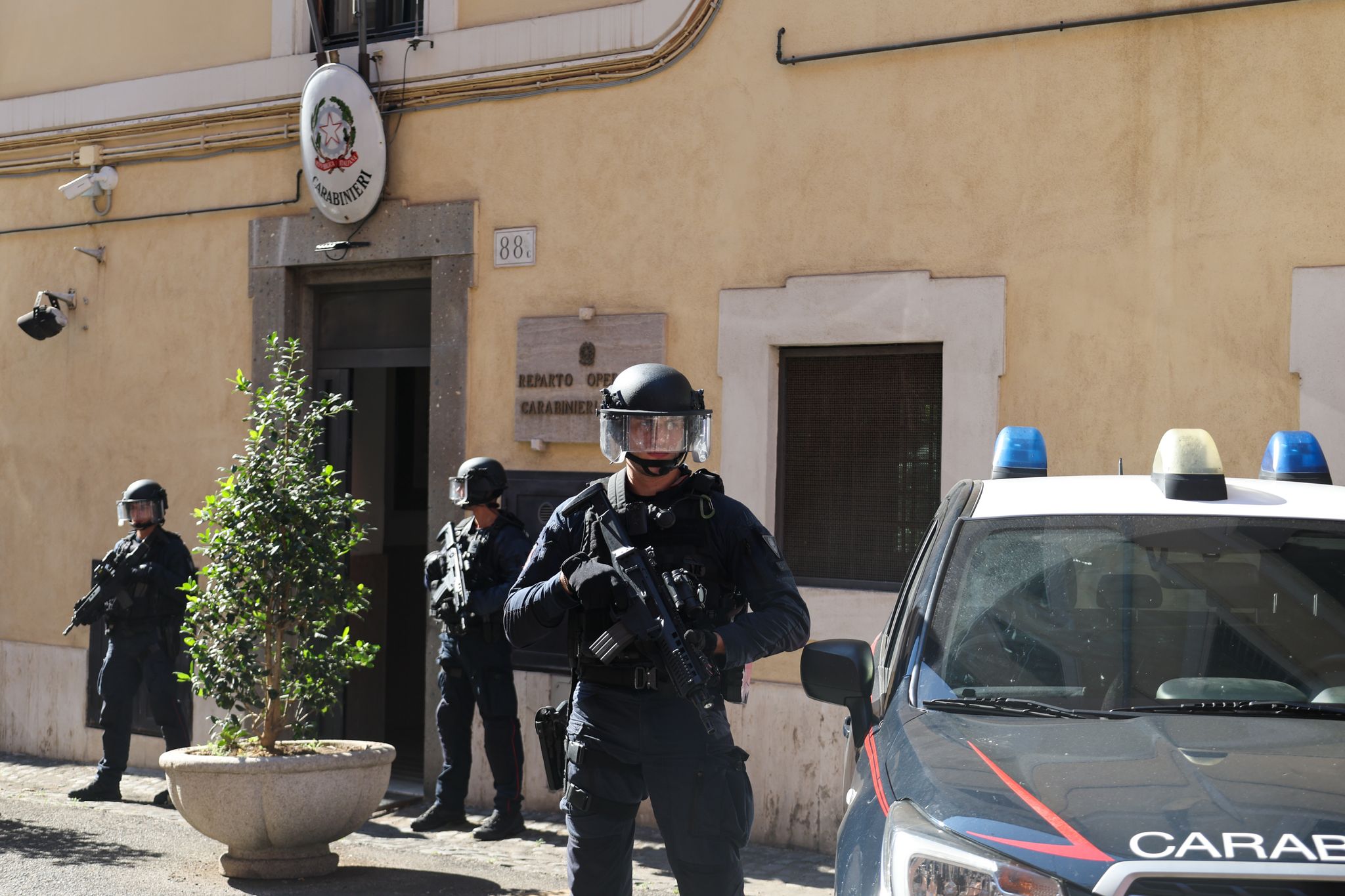
Law enforcement moved with unusual swiftness. In a region where illicit activities have historically burrowed deep into the bedrock, getting traction can often feel like pulling teeth. Carabinieri General Roberto Valenti, leading the investigative unit, didn’t mince words. “We don’t take these attacks lightly, particularly when they target those who illuminate the dark corners of society,” he stated, his voice a low rumble. “This isn’t just about protecting individuals; it’s about protecting the foundations of our democracy.” He’s not wrong. Because if you can’t report on it, it might as well not exist, right?
And let’s be frank: while this particular act occurred on European soil, the threats journalists navigate daily are hardly confined to its relatively secure borders. Across the world, reporters confront staggering dangers. Think of the journalists in Pakistan, for instance, operating under immense pressure, battling state censorship, extremist groups, and powerful business interests. They’re routinely targeted for their work, with kidnappings, assaults, and assassinations not just possibilities, but grim realities. It’s a spectrum, sure, from a car bomb in Italy to overt killings in, say, Balochistan, but the underlying motivation—to suppress inconvenient facts—is often horrifyingly similar.
Federico Russo, a spokesperson for the Italian National Press Federation, weighed in, visibly shaken. “This latest barbarity reminds us that the fight for press freedom is a constant, exhausting struggle. It’s a stark reminder that even in democracies, some powerful elements don’t just dislike scrutiny—they’ll literally blow you up to avoid it,” he observed, the subtle tremor in his voice speaking volumes about the collective dread such events cast over the journalistic community.
The numbers don’t lie, either. According to Reporters Without Borders, at least 68 journalists were killed in the line of duty worldwide in 2022, a brutal testament to the high stakes of their profession. Italy might not register as high on that grim list as some other nations, but incidents like Sciacca’s car bombing serve as stark, fiery warnings. They’re reminders that even within established democracies, organized crime, or disgruntled powerful entities, are always testing boundaries, always probing for weakness.
The current climate in Europe, marked by rising populism and economic unease, creates a fertile ground for disinformation and intimidation tactics. Independent journalism, the kind Sciacca presumably practices, becomes not just a public service but an act of defiance. One has to wonder: how many times does a reporter hear a politician grandstanding about the geopolitics of goalposts, while their colleagues face literal bombs in their driveways?
What This Means
This incident isn’t just a local police blotter entry; it carries considerable weight for Italy’s international image and the broader discussion on journalistic safety. Politically, the swift arrests by the Carabinieri will be leveraged by the government to demonstrate its commitment to law and order, and, perhaps more importantly, its effective countering of organized crime influence, even if this particular incident turns out to be more narrowly tied to specific investigative reporting than a broader mafia network. Economically, a perceived lack of security, especially for those exposing financial or political malfeasance, can deter investment and paint a picture of instability that Italy’s fragile economy can ill afford. It doesn’t scream “business friendly” when journalists need bomb squad training, does it?
But the ramifications extend beyond Italy. It sends a message, inadvertently perhaps, to autocrats and repressive regimes elsewhere: that even in a G7 nation, reporters face physical threats. This provides unwelcome rhetorical fodder for countries already clamping down on their own media. For the free world, it’s a sobering call to recommit to robust protections for the press—not just financially, but physically. And because attacks on journalists often coincide with critical political moments or probes into deep-seated corruption, the investigation will likely uncover threads that tie into larger power struggles, shaping local politics for months, maybe years, to come. It’s not over until the last stone’s unturned, or, rather, the last suspect’s questioned.