

Berlin’s Iron Rails: Deutsche Bahn Feels the Squeeze as Regulators Force Open Gate
POLICY WIRE — Berlin, Germany — The steel heart of Germany’s transportation system has, for generations, been synonymous with reliability, if not always with competitive spirit. But cracks, or...

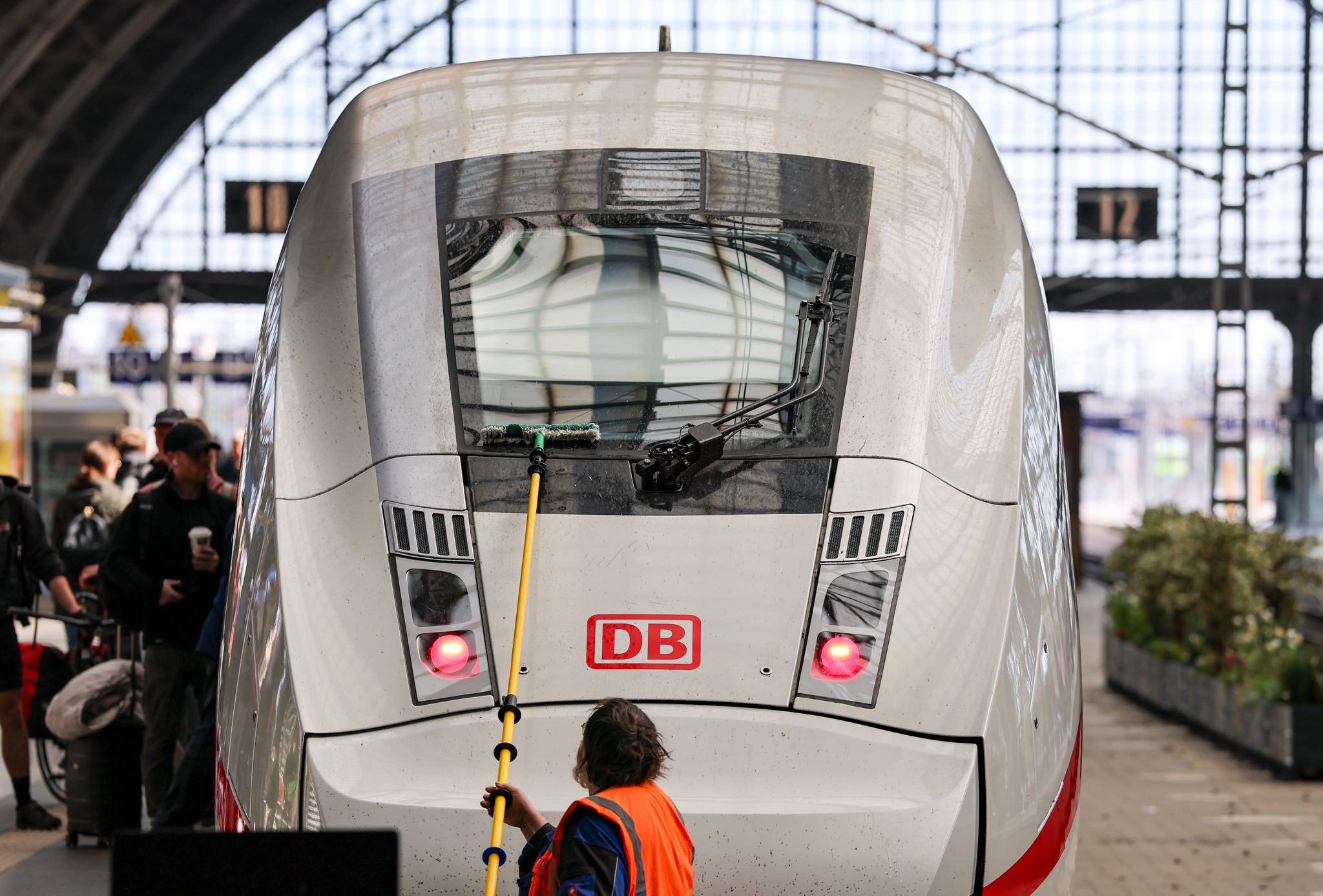
POLICY WIRE — Berlin, Germany — The steel heart of Germany’s transportation system has, for generations, been synonymous with reliability, if not always with competitive spirit. But cracks, or perhaps calculated strategic expansions, are now appearing in the Deutsche Bahn’s formidable edifice. After decades of slow, grudging incrementalism, Germany’s rail regulator has laid down the law: the state-owned Goliath must finally—and demonstrably—open its vast network and support services to a clamoring cohort of smaller, often privately-held, competitors. It’s a move long heralded by free-market advocates, — and just as long resisted by the established giant.
It’s not simply about tracks. No, this isn’t just about locomotives jostling for a piece of the 38,000-kilometer rail network. The directive extends far deeper, impacting everything from maintenance facilities to service depots, refueling points, and crucial logistical hubs. Picture a small regional airline suddenly having full, equitable access to a national carrier’s hangar and ticketing infrastructure at the country’s busiest airport. That’s the scale of shake-up regulators are now trying to enforce upon DB.
For years, rivals have whispered—and sometimes shouted—about opaque pricing, unavailable slots, and a subtle but powerful administrative bias favoring Deutsche Bahn’s own operations. That sentiment reached a crescendo, culminating in a formal mandate that effectively dismantles some of DB’s more restrictive operational policies. But because this isn’t the first time regulators have poked the bear, skepticism isn’t in short supply among the challengers.
“We welcome this decision, of course,” said Dr. Klaus Schmidt, CEO of FlixTrain, one of Germany’s more ambitious private rail operators, in a rare moment of public comment. “It’s a clear signal. Yet, the real test isn’t the directive itself; it’s its practical implementation. We’ve seen these promises before, only for access to remain frustratingly complicated — and costly on the ground. Let’s just say we’re cautiously optimistic, with an emphasis on ‘cautious.’” His words betray a deep-seated history of friction, hinting that this fight isn’t over yet.
From the corporate fortress in Berlin, Deutsche Bahn maintains a posture of compliant confidence. “Deutsche Bahn is committed to fostering healthy competition within the German rail sector,” a spokesperson for the company, who declined to be named directly but spoke on background, relayed to Policy Wire. “We continually invest billions into modernizing and expanding our infrastructure, which benefits all operators, and we’re working diligently to ensure fair and transparent access. These adjustments simply streamline existing processes.” A practiced deflection, one might say, subtly repositioning mandated change as internal efficiency. A well-oiled PR machine, indeed.
This isn’t a uniquely German challenge, mind you. Even in markets like Pakistan, where railway modernization is a perennial policy discussion—and an ongoing source of frustration—the role of a dominant, often state-owned entity, Pakistan Railways, often faces scrutiny regarding its operational inefficiencies and reluctance to genuinely integrate private sector partnerships beyond token gestures. German companies, including those tied to DB’s logistics arms, often eye these developing markets for potential investments in infrastructure and consulting, seeking to export their engineering prowess. It’s an interesting juxtaposition: Germany pushes competition at home, while German firms often find comfortable, often monopolistic, footholds abroad.
But the numbers here tell their own story, despite DB’s pronouncements. While regional and freight services have seen a steady uptick in non-DB operators, long-distance passenger routes have proven stubbornly hard to crack. Industry reports indicate that Deutsche Bahn still commanded nearly 85% of all scheduled long-distance passenger journeys in Germany in 2023, leaving scraps for the likes of FlixTrain or Thalys, according to statistics from the German Federal Ministry of Transport. It’s hardly a level playing field yet, is it?
What This Means
This regulatory flexing could reshape the everyday commute — and cargo flows across Europe’s economic engine. Economically, genuine competition might force Deutsche Bahn to sharpen its pencil—meaning better service, potentially lower fares, and a greater impetus for innovation. For consumers, that’s almost unequivocally good news. And for regional connectivity, the rise of more agile, smaller players could unlock new routes and service models that DB’s monolithic structure struggles to deliver.
Politically, the move reflects a subtle but persistent push within Berlin to reconcile the state’s traditional stewardship over critical infrastructure with broader European Union directives pushing for market liberalization. It’s a dance between public good and market forces, a tightrope walk for Chancellor Olaf Scholz’s traffic-light coalition. Should the regulator’s mandate prove effective, it sets a precedent, strengthening the hand of independent bodies and potentially paving the way for more significant structural reforms within other state-controlled sectors, perhaps even energy or telecommunications. Conversely, if DB merely finds new bureaucratic avenues to skirt the spirit of the law, public confidence in genuine market competition will dwindle further, making any future liberalization attempts a harder sell. It’s a high-stakes gamble for a nation that prizes both order and efficiency, hoping to get both, perhaps for the first time, in its cherished rail system.