

Canada’s ‘Free Parks’ Gambit: A Populist Ploy or a Plea for Post-Pandemic Solace?
POLICY WIRE — OTTAWA, Canada — Forget the pomp, the grand announcements about global alliances or fiscal maneuvering. Canada, a nation often characterized by its pragmatic modesty—and really, quite a...

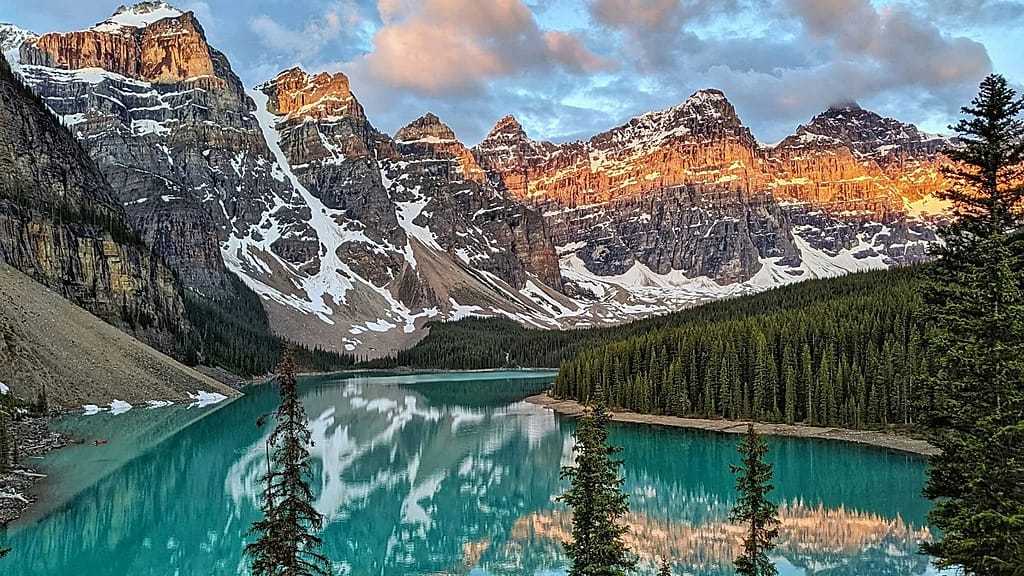
POLICY WIRE — OTTAWA, Canada — Forget the pomp, the grand announcements about global alliances or fiscal maneuvering. Canada, a nation often characterized by its pragmatic modesty—and really, quite a lot of open space—is now quietly throwing open the gates to its colossal national parks for the entire summer. It’s an interesting move, isn’t it? Not a groundbreaking diplomatic triumph, not a breakthrough trade deal, just… free entry to mountains and lakes. Some might call it a rather sweet perk; others, particularly those in the wonkier corners of governance, might smell something a bit more calculated beneath the pine needles.
It’s no small gesture. Imagine a swathe of protected land so vast it could swallow many European nations whole, suddenly available without charge for three months. That’s essentially what Ottawa is offering. The underlying currents here, however, churn far deeper than mere goodwill. You’ve got to ask yourself: what’s really driving a policy like this?
For one, governments everywhere, Canada’s certainly no exception, love a good news story, especially when headlines have been dominated by relentless inflation and cost-of-living woes. Handing out something perceived as valuable—and let’s be real, a hike in Banff or a paddle through Georgian Bay? That’s premium stuff—feels a lot like addressing the public’s frayed nerves without, you know, actually taming the national debt. It’s a psychological palliative, perhaps, rather than a deep structural cure.
Steven Guilbeault, the Minister of Environment and Climate Change, put it like this, presumably while contemplating some majestic Canadian vista: “This isn’t just about saving a few bucks for a day out; it’s about reconnecting Canadians with the grandeur that defines us. We’re telling folks, ‘Come home to nature,’ and making sure finances aren’t standing in the way of that profound experience.” It sounds lovely, doesn’t it? Very wholesome.
But Carla Schmidt, President of the Canadian Tourism — and Hospitality Association, she’s not buying the whole picture. She sees complexities. “Frankly,” she mused recently, her tone laced with a pragmatic skepticism, “it’s a double-edged sword. More boots on trails is good for peripheral businesses, like the local diner selling poutine near a park entrance. But the core issue for many small towns around these parks? They’re still hurting from two years of unpredictability. We need sustained investment, not just a freebie that risks overwhelming fragile ecosystems if not managed right.” She’s got a point. Too many boots can wear down more than just paths; they can fray the very fabric of these cherished places.
📄 POLICY WIRE WHITEPAPER PUBLISHED: PAKISTAN'S NATIONAL SECURITY POLICY PRIORITIES
👉 READ BY CLICKING HEREAnd then there’s the sheer logistical headache. Parks Canada manages an astonishing 48 national parks, reserves, — and national urban parks. These places collectively welcomed over 15.7 million visitors annually in pre-pandemic years (Source: Parks Canada). Opening them up without fees this summer—it’s like throwing a huge party without truly expanding the kitchen or reinforcing the dance floor. The infrastructure, the staff, the sheer ability to manage potentially record crowds… it’s going to be a test.
Because, while Canadians will certainly appreciate the free pass to their wild backyard, you’ve also got to consider the implications for those dreaming of such accessible natural beauty from afar. Imagine families in bustling Karachi or Lahore, where genuine public green spaces are scarce, let alone pristine wilderness like the Rockies. Many Pakistani-Canadians and other South Asian diaspora members routinely send remittances home; this free park access, however modest, allows them a taste of nature’s bounty that feels worlds away from the choked urbanity they might remember. It’s a stark contrast in national resource management — and public accessibility.
What This Means
This ‘free park’ policy, then, is a classic Canadian political confection: a mix of environmental messaging, economic populism, and perhaps a pinch of social engineering, all wrapped up in a veneer of rugged Canadian sensibility. Economically, while it offers immediate relief to families looking for affordable leisure, it side-steps the larger, stickier issues of long-term economic recovery for park-adjacent communities and the sustainability of conservation budgets. It’s a PR win, no doubt, portraying a government keen to connect its citizens with nature—a neat antidote to accusations of being out of touch. But, — and this is where the irony really bites, free entry often comes with hidden costs. Increased foot traffic invariably strains delicate ecosystems. It requires more wardens, more maintenance, and more careful stewardship, costs that don’t magically vanish because an entrance gate is left open. The challenge lies not in opening the gates, but in preserving what lies beyond them for generations to come—a much harder and more expensive proposition than a mere summer promotion. Perhaps it’s just another spectacle designed to divert attention, a strategic play to shore up public sentiment, much like how various organizations use feel-good optics to navigate tougher terrain. Ultimately, it’s a feel-good policy that gives everyone a brief reprieve, but we shouldn’t mistake temporary access for systemic improvement, nor a single season’s generosity for sustained economic ripple.