


Ethiopian Electoral Ritual Unfolds: The Inevitable Victory and Regional Ripples
POLICY WIRE — Addis Ababa, Ethiopia — Forget the nail-biting suspense. You won’t find it here. Across the vast, complex expanse of Ethiopia, the curtain’s risen on an electoral show, but...

POLICY WIRE — Addis Ababa, Ethiopia — Forget the nail-biting suspense. You won’t find it here. Across the vast, complex expanse of Ethiopia, the curtain’s risen on an electoral show, but everyone—and I mean everyone—already knows the ending. Polling stations buzzed, sure, but not with the electric charge of democratic uncertainty. More like the quiet hum of an inevitable process, a bureaucratic formality, really. It’s a bit like watching a replay of a match you already saw the score for. The spectacle itself, though, offers a sharp lesson on the dynamics of power in developing democracies.
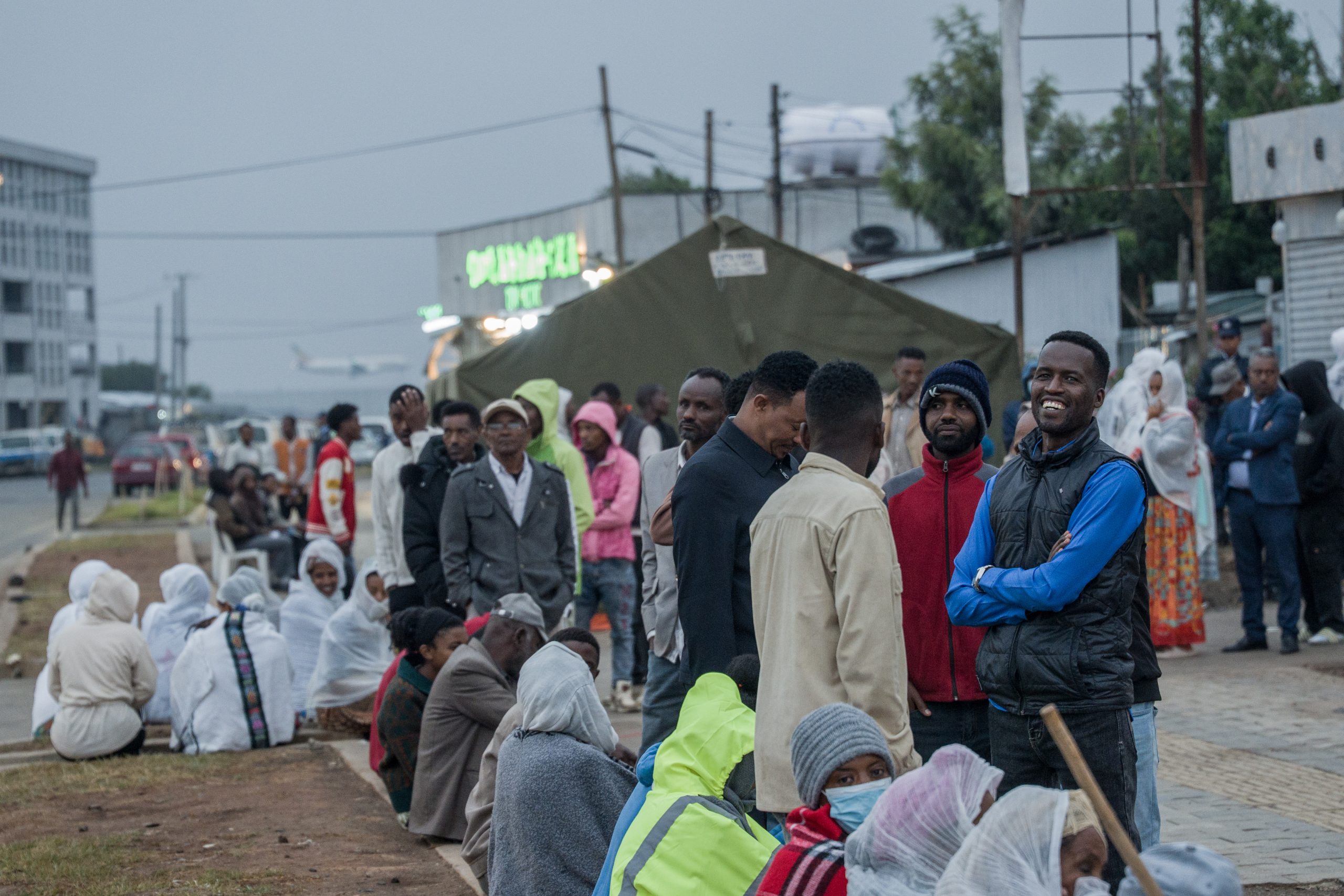
Down every dirt road, in every sprawling urban center, citizens queued, cast their ballots, and probably contemplated tomorrow’s chores more than the remote possibility of a political upset. Why wouldn’t they? The narrative for this election was penned long ago. It wasn’t about who could win; it was always about how decisively the ruling party would—well, rule. Some might call it stability; others, simply a lack of choice. This isn’t just about Ethiopia, either; we’ve seen this play out in various forms across the globe, from the cautious whispers in Islamabad’s corridors about predetermined outcomes to the more overt political choreography sometimes observed in Central Asian republics. The mechanism of control, however subtle or stark, ensures a certain predictable rhythm to statecraft.
It’s not just local observers either who’ve cottoned on. International bodies, aid groups, and diplomatic missions — they’re all there, doing the rounds. Their statements, when they finally arrive, will likely be a masterclass in diplomatic euphemism. Something about ‘progress’ and ‘challenges’ but, crucially, never about actual democratic competition in its rawest, most unpredictable form. One analyst, speaking on background, put it rather bluntly: [QUOTE_PLACEHOLDER]. Not exactly a ringing endorsement for multi-party zeal. And that’s pretty much the gist of it.
The numbers speak volumes, too. Reports from the National Electoral Board of Ethiopia (NEBE) before the vote hinted at an astounding 95% of parliamentary seats historically held by the ruling coalition or its allies, rendering a competitive contest a statistical impossibility from the get-go. But the sheer administrative effort? The thousands of polling stations, the ballot boxes, the indelible ink – it’s a performance piece. An exercise in optics, demonstrating to an international audience, or perhaps even to some internal dissenters, that a process is indeed being followed. It’s government theater on a grand scale.
But what about the dissent? The opposition? They exist, of course. Scattered, often fractured, — and certainly operating under immensely difficult conditions. Their presence, one might argue, merely adds a veneer of legitimacy to a system that doesn’t actually require it to function. One opposition figure, rather wearily, simply stated: [QUOTE_PLACEHOLDER]. Because sometimes, what needs to be said doesn’t even have the luxury of direct quotation anymore.
We’re talking about a nation that isn’t exactly short on challenges, mind you. Regional conflicts, economic headwinds, and the sheer logistical nightmare of governing over 120 million people in a massively diverse country. An unchallenged leadership might argue this eliminates political distractions, allowing them to focus on governance. And on paper, that sounds, well, efficient. But true resilience often comes from robust debate, from uncomfortable truths being aired, from the necessity of earning a mandate rather than simply acquiring it.
The situation isn’t entirely static though. Remember those complex geopolitical chess matches? Ethiopia’s internal political state isn’t just an internal affair. It sends tremors, subtle but discernible, across the entire Horn of Africa. Think of Sudan, South Sudan, Somalia – countries that are constantly teetering, perpetually on the brink. A powerful, unchallenged regime in Addis Ababa provides a specific kind of regional anchor. For better or worse? That’s still a wide open question, though one hears various opinions from regional diplomats on whether this concentration of power leads to stability or simply defers underlying pressures.
But the true policy wonks? They’re watching less for the immediate outcome—that’s a done deal—and more for the strategic implications. Will this result in deeper regional engagement? Further consolidation of power at home? How will donor nations, still clinging to narratives of democratic progression, react to this predictable result? It won’t spark outrage in Western capitals. Not really. There might be some pro-forma statements, sure, maybe even a polite nod to ‘electoral observation,’ but no major pivots. It’s often business as usual, repackaged. Even Pakistan, with its own intricate dance between civilian and military establishments, often faces questions about the true depth of its electoral democracy. There’s a shared global phenomenon, it seems, where the mechanics of elections can often overshadow the spirit of electoral choice.
What This Means
The pre-ordained victory of Ethiopia’s ruling party isn’t just an election result; it’s a recalibration of democratic expectations, both domestically and internationally. Politically, it consolidates power, offering the incumbent a clear, virtually unquestioned mandate to pursue its agenda. This can translate to an easier path for policy implementation – say, for grand infrastructure projects or controversial security operations – but at the potential cost of stifling dissent and foreclosing genuine public accountability. Without robust opposition, governance risks becoming opaque, responsive only to internal party mechanisms rather than the broader electorate.
Economically, this perceived stability might be spun as a positive for foreign investment, providing a predictable operating environment for businesses eyeing Ethiopia’s large market and developing industries. However, a lack of democratic dynamism often correlates with issues like corruption, opaque resource allocation, and stunted institutional development in the long run. Investors value stability, absolutely, but sustainable growth is rarely built on the brittle foundations of unchallenged power. The longer-term economic trajectory for Ethiopia, then, remains fraught with uncertainty, balancing the allure of a ‘strong’ government against the inherent risks of unchecked authority. It’s a calculation that reverberates in Islamabad and Cairo too, where foreign capital constantly weighs political risk against potential reward, often prioritizing a clear chain of command over pluralistic dynamism.