

Bronze to Brilliance: Yasir Sultan and Pakistan’s Sporting Future
Muhammad Yasir Sultan’s impressive show at the Asian Throwing Championships in Mokpo, South Korea, cannot be ignored. Yasir topped Pakistan on the podium with his season’s best throw of...
Muhammad Yasir Sultan’s impressive show at the Asian Throwing Championships in Mokpo, South Korea, cannot be ignored. Yasir topped Pakistan on the podium with his season’s best throw of 77.43 meters in his final attempt to bag a bronze medal among other accolades. At the tender age of 27, he has never ceased pushing himself on the Asian stage already, with past silver and bronze medals to his credit, but today’s achievement is not necessarily a personal triumph but also a moment of national reckoning. It is not merely an indication of the enormous potential of Pakistani athletes but also a clarion call for more investment in sports facilities across the country.
Not only does it require natural talent to excel at the pinnacle of Asian athletics, but there needs to be incessant exposure to leading-edge coaching, leading-edge equipment, diet plans, and medical treatment. Yasir himself has long operated in sub-ideal conditions, but still delivers performance that makes the Pakistan flag fly high. His own record is a reminder that our sportspersons are far from lacking in talent; they just need the wherewithal to convert potential into sustained excellence.
Sport commentators have long maintained that sport facility investment has a multiplier impact much greater than personal triumphs. A UNESCO-sponsored study of young people’s sport found that those countries that saw sport facility investment as a priority not only experienced improved sporting performance, but also public health, youth employment, and social inclusion. For Pakistan, where a high percentage of youth is to be found, nearly two-thirds of its population below the age of 30, it is not just a question of medals. It is about creating opportunities, inculcating discipline, and giving the youth generation productive outlets which build character and society.
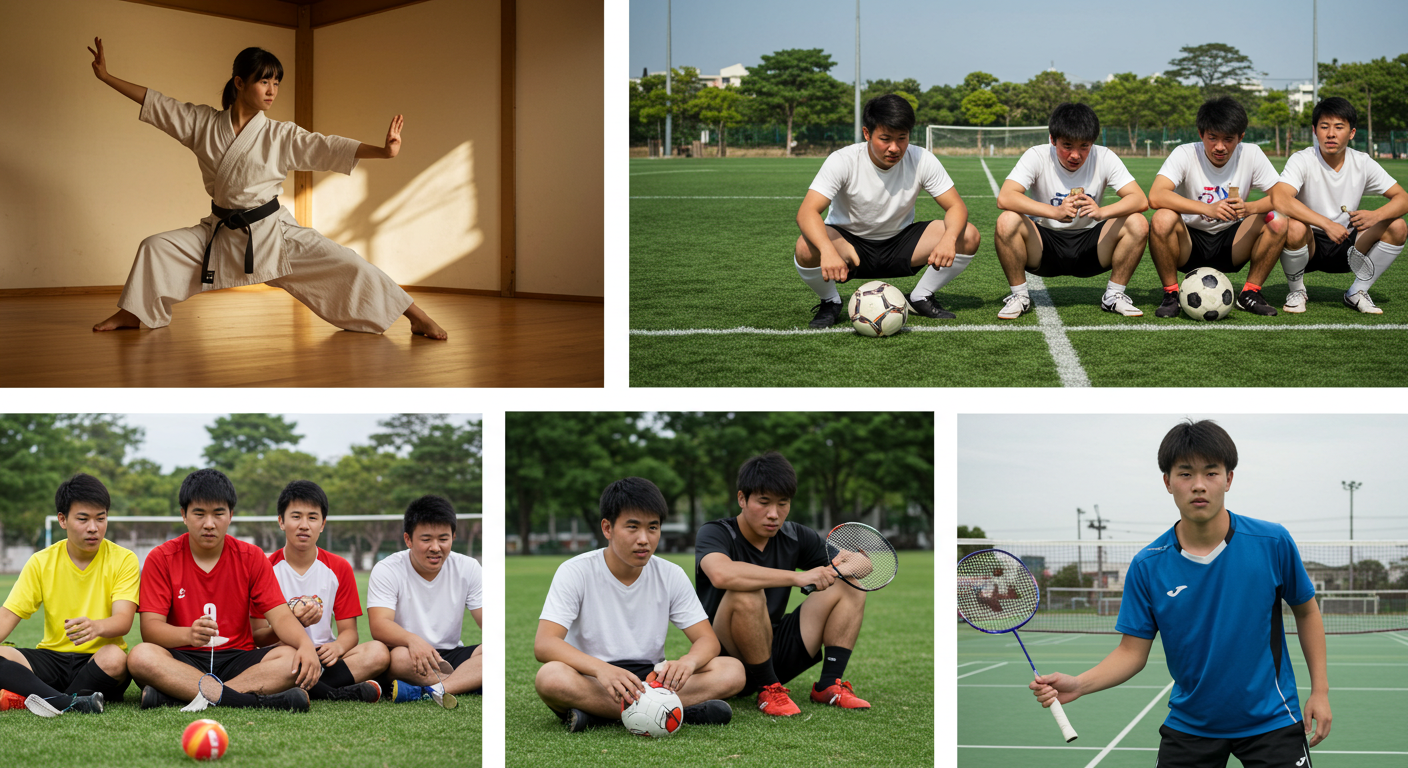
There are already positives in Pakistan which show what is possible when facilities are put in place. The Islamabad Jinnah Sports Stadium has already played host to significant international tournaments, such as football World Cup qualifiers, following recent renovations. Peshawar’s Hayatabad Sports Complex and Charsadda’s Abdul Wali Khan Sports Complex have cricket, football, hockey, swimming, tennis, and squash. Ayub National Park in Rawalpindi hosts cricket grounds and AstroTurf for hockey, and some city-based schools and universities have initiated small-scale sports complexes for students. Country areas and small towns do not have similar facilities, and too many young promising individuals are forced to cover a massive distance just in trying to find a playing surface or track.
Corporate sponsorships, tax incentives to sports academies, and liaison with international federations can fetch technical assistance as well as funds. This trend has been successful in cricket with the Pakistan Super League and can be repeated for athletics, hockey, football, and other sports where Pakistan once dominated.
Yasir Sultan’s bronze medal must therefore be read as a wake-up call rather than a news headline. Pakistan can equal the best in Asia, and perhaps the world, and the reality is that it is not pure talent every time that wins medals. With enhanced equipment, enhanced coaches, and institutional backing, athletes like Yasir could dream beyond 80 meters and see Olympic finals rather than resting on regional podiums. His triumph is a national paean but it is also an urgent question: how many more Pakistan champions can we produce if we mean business with sport?
The answer is to shift from individual genius to system support. With the development of infrastructure, reform of sports administration, and investment in youth programs, Pakistan can transform sport from an outcast area of society into a tool of national power. Yasir Sultan has shown what can be done; Pakistan now needs to match his passion with the infrastructure and investment our athletes need.
Author