
Breaking Barriers: Trump’s Strategic Leap into Gulf Power Dynamics
United States President Donald Trump is set to embark on a pivotal three-day tour of the Gulf region, marking his first state visit since reclaiming office earlier this year. Beginning in Saudi...

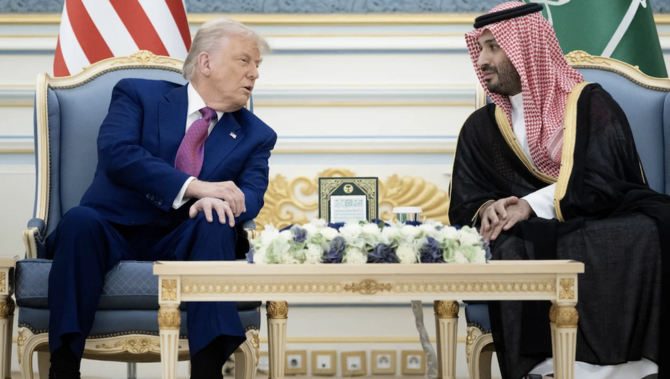
United States President Donald Trump is set to embark on a pivotal three-day tour of the Gulf region, marking his first state visit since reclaiming office earlier this year. Beginning in Saudi Arabia, then moving to Qatar and concluding in the United Arab Emirates, this journey signals a renewed focus on strengthening diplomatic ties and boosting economic cooperation in a region that remains crucial for global stability. The visit is notable not only for its timing but also for the strategic agendas laid out by the U.S. administration, reflecting evolving priorities in international relations and economic diplomacy.
President Trump’s itinerary kicks off in Riyadh, the Saudi capital, where he will attend a Gulf summit gathering leaders from the region. This follows a precedent from his first presidential term, when Saudi Arabia was the first country he visited abroad—a break from the tradition of U.S. presidents beginning with visits to European neighbors or North American partners. This time, the emphasis is on cementing partnerships that address both security challenges and economic opportunities.
One of the central themes of the visit is economic collaboration. The U.S. economy recorded its first contraction in three years during the first quarter of 2025, making it imperative for President Trump to secure major deals that can stimulate growth and create jobs. At the heart of this effort lies a significant $1 trillion Saudi investment pledge aimed at U.S. industries, building on the $600 billion commitment announced earlier by Saudi Crown Prince Mohammed bin Salman (MBS). This expansion of financial engagement underscores Saudi Arabia’s vision to diversify its economy and strengthen ties with its key ally, the United States.
In addition to investment pledges, Saudi Arabia is expected to announce more than $100 billion in arms purchases from the U.S., which includes advanced missiles, radar systems, and transport aircraft. These agreements not only reflect enduring security cooperation but also signal a revival of the U.S.-Saudi defense pact, albeit on a scaled-back basis. Such military ties remain crucial for maintaining regional stability amid ongoing conflicts and geopolitical tensions.
The visit’s diplomatic agenda is equally significant. President Trump aims to revive the stalled Saudi-Israel normalisation talks, which were once on track under the Abraham Accords during his previous administration. While Saudi Arabia had shown interest in joining the accords, the war in Gaza triggered by Israel’s military actions in late 2023 caused Crown Prince MBS to pause negotiations. Saudi officials have been firm in demanding real progress towards a two-state solution for Palestine before moving forward, highlighting the delicate balance between regional peace efforts and national interests.
Trump’s administration is notably taking a different approach than its predecessor by separating discussions about Saudi nuclear cooperation from the normalisation with Israel. The Biden administration had linked the two, making nuclear cooperation contingent on normalisation progress. Riyadh’s aspiration to develop a civilian nuclear program-a move Israel has expressed concerns about-now stands as an independent matter. This shift could facilitate smoother negotiations for Saudi Arabia’s civilian nuclear ambitions while preserving broader peace talks.
Moving on to the United Arab Emirates, the U.S. president will meet with President Mohammed bin Zayed Al Nahyan to explore investment opportunities in cutting-edge sectors such as artificial intelligence, semiconductors, energy, and manufacturing. The UAE’s commitment to investing $1.4 trillion in the U.S. economy over the next decade represents a major boost for American technological and industrial advancement. This partnership aligns with the UAE’s ambition to become a global leader in AI by 2031, a vision supported by anticipated U.S. technology transfers and relaxed export restrictions on advanced technologies, including microchips.
The third stop in Qatar focuses on military cooperation, regional security, and diplomatic mediation. Home to the largest U.S. military base in the Middle East, Qatar plays a vital role in supporting American strategic interests. President Trump’s meetings with Emir Sheikh Tamim bin Hamad Al Thani will address ongoing regional security challenges and efforts to mediate the Gaza conflict. Qatar’s close ties with Syria’s new leadership also open discussions about easing sanctions and fostering stability in Syria-another complex aspect of the broader Middle East peace landscape.
Interestingly, Israel is not included in this Gulf tour, a departure from previous U.S. visits to the region. The exclusion is largely due to the heightened tensions and ongoing conflict in Gaza, where Israeli military operations have intensified following a broken ceasefire in March. U.S. officials recognize that a visit to Israel at this time would likely be counterproductive, especially as reports indicate growing tensions between President Trump and Israeli Prime Minister Benjamin Netanyahu. This rift reflects differing approaches to Middle East policy, with Trump’s administration signaling a willingness to act independently of Israeli preferences in pursuit of broader regional goals.
The Gulf countries’ response to Trump’s visit has been largely positive, marked by pledges of significant investments and cooperation. However, some regional resistance remains, particularly regarding Trump’s controversial proposal to redevelop Gaza and relocate its residents to other Arab nations. Arab leaders from Egypt, Qatar, the UAE, and Kuwait rejected this plan in a February meeting in Riyadh, emphasizing the importance of Palestinian self-determination and regional stability. This stance highlights the complex dynamics that continue to shape Middle Eastern diplomacy, where economic interests must be balanced with longstanding political and humanitarian concerns.
In addition to these regional matters, the trip includes a symbolic but diplomatically sensitive consideration: the naming of the body of water known as the “Persian Gulf.” Reports suggest that President Trump may choose to refer to it as the “Arabian Gulf” or the “Gulf of Arabia” during this visit, a change with significant political and cultural implications. This potential shift aligns with Gulf Arab states’ preferences and underscores the administration’s attention to regional sensitivities.
Overall, President Trump’s Gulf tour represents a multifaceted approach aimed at revitalizing economic partnerships, advancing diplomatic negotiations, and reaffirming security cooperation. The visit comes at a critical juncture, as the region grapples with ongoing conflicts, shifting alliances, and economic challenges exacerbated by global uncertainties. By focusing on investment, technology, and peace initiatives, the U.S. administration seeks to position itself as a constructive partner, leveraging longstanding relationships to foster stability and growth.
The engagement with Saudi Arabia, Qatar, and the UAE also sends a message of continued American commitment to the Gulf’s security and prosperity, even as new challenges emerge. The success of this tour could pave the way for renewed dialogue on contentious issues like the Israeli-Palestinian conflict and nuclear cooperation, while boosting economic ties that benefit both sides. For the Gulf states, expanding cooperation with the U.S. is essential for achieving their modernization and diversification goals.
Author