

The Brutal Calculus of Celebrity: WNBA Star Clark’s Defensive Chink in the Armor Exposed
POLICY WIRE — Indianapolis, USA — Professional sport, beneath its shimmering veneer of highlight reels and sponsorships, operates with a dispassionate, almost brutal logic. It isn’t just about...

POLICY WIRE — Indianapolis, USA — Professional sport, beneath its shimmering veneer of highlight reels and sponsorships, operates with a dispassionate, almost brutal logic. It isn’t just about talent; it’s about identifying — and exploiting weakness. Every competitor—every team, every opponent—treats the opposing side’s celebrated star not as an idol, but as a matrix of vulnerabilities, a collection of chinks in the armor waiting to be struck. That ruthless calculus hit rookie sensation Caitlin Clark like a ton of bricks last Saturday, her celebrated offensive firepower dimmed by a glaring defensive liability. This wasn’t just a bad game; it felt like a tactical dissection.
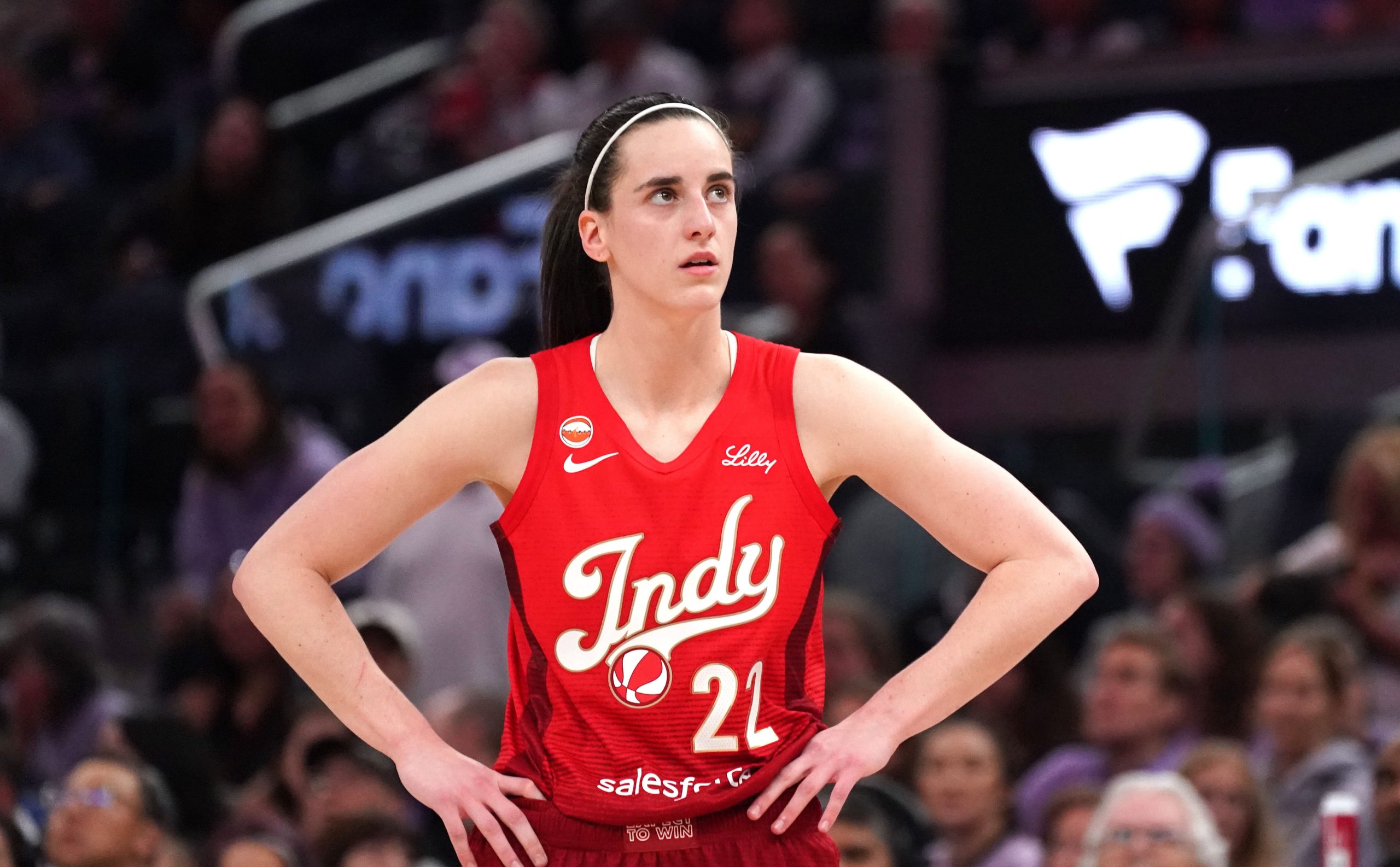
The Indiana Fever, once buoyed by Clark’s collegiate legend, found themselves on the wrong end of a 100-84 shellacking against the Portland Fire. And it was ugly. Expected to rebound from a prior loss to the Golden State Valkyries, the Fever instead witnessed Clark deliver what many are calling her most comprehensively dismal professional outing yet. Her box score tells a grim tale: a meager 6 points, 6 assists, and a woeful 1-for-7 shooting from the field—tied for her second-lowest scoring performance in the WNBA. But the numbers don’t capture the true gut-punch. It wasn’t her offense that caused the collapse. Her defense became a turnstile, an inviting target Portland methodically exploited, often forcing her off the court entirely.
Portland didn’t just attack her. They went through her. Fire guard Carla Weite, in particular, carved her up, finishing with 18 points and 12 assists, often with Clark in her direct sightline. Because teams realize Clark’s offense often can’t ignite when she’s mired in foul trouble, keeping her on the bench becomes an ingenious defensive tactic in itself. She collected three fouls before halftime. Then a fourth two minutes into the third quarter. Off she went. She barely touched the court in that frame, then picked up her fifth just minutes after returning in the late third. Her afternoon was done. Bench bound.
But this isn’t just an Indiana Fever problem; it’s a league-wide strategic shift. After Grueling Gauntlet, NCAA Rules Keep Collegiate Dreamers on Edge. WNBA Commissioner Cathy Engelbert, while consistently upbeat about the league’s trajectory, acknowledged the brutal learning curve facing its new crop of stars. “The WNBA demands excellence at both ends of the court,” Engelbert recently noted in an email to Policy Wire. “Transitioning from college phenom to professional requires continuous growth, particularly on defense. Our athletes rise to challenges, — and we’re confident in the long-term development of all our players.”
But the court offers little patience for long-term development when wins are on the line. And the fans, never shy with an opinion, certainly weren’t. Social media lit up, brutal in its assessment. “Caitlin Clark is huge liability on defense, getting exposed tonight,” one observer blasted on X. Another added, with prescient analysis, “This will be every team’s strategy now, copying Valks… Go after Caitlin Clark on offense; she’s mid-Defense and gets fouls, and then she sits for half the game, can’t get into a rhythm.” They aren’t wrong. This kind of systematic tactical deconstruction of an opponent’s key asset is as old as sport itself, whether it’s a basketball court in the U.S. or a cricket pitch in Karachi where rival teams relentlessly target a star batter’s known weakness with specific bowling angles.
This ruthless attention, however, is a byproduct of unprecedented scrutiny. According to various industry analysts, WNBA viewership has surged by an unprecedented 150% this season, a statistic often attributed to the magnetic draw of its newest stars, amplifying every perceived flaw under a brighter spotlight. Because when you become that big, everything gets bigger—the cheers, the endorsements, and yes, the critical gaze. An Indiana Fever team official, speaking on background and seeking anonymity given the delicate situation, commented, “Caitlin’s drive is unmatched. We understand the league is tough; everyone hunts vulnerabilities. But her overall impact, her leadership, her offensive creativity—it’s going to outweigh any momentary struggles. We’ll adjust.” We’ll see. Or rather, every opponent will be watching.
What This Means
The ‘Caitlin Clark phenomenon’ is more than just basketball; it’s a potent case study in the modern confluence of celebrity, commerce, and ruthless professional strategy. Politically, the intense focus on one individual’s performance, almost to the exclusion of broader team dynamics or systemic issues (like team defensive schemes), mirrors how public discourse often latches onto singular figures, framing complex problems as personal triumphs or failings. Her every misstep becomes a national debate, reflecting a society often more attuned to individual drama than collective effort. Economically, this intense individual spotlight is a double-edged sword: While her undeniable star power fuels record-breaking viewership and merchandise sales—a boon for the entire WNBA ecosystem—any significant, unaddressed weakness carries substantial brand risk. Endorsements are tied to performance and perception, and sustained strategic exploitation could eventually cool the fever Pitch. But if she can adjust, and adapt her defensive game to the WNBA’s brutal standards, the narrative of overcoming adversity will only deepen her economic value. This saga, frankly, showcases the stark reality that in high-stakes environments—be it sports, business, or geopolitics—vulnerability is never just a personal flaw; it’s an invitation for methodical, unsparing exploitation.