
Blackstone’s High-Voltage Play: New Mexico Grapples With the Cost of Private Power
POLICY WIRE — Albuquerque, N.M. — It’s a familiar American drama, playing out with unsettling regularity across state lines: the quiet encroachment of high finance into the humble realm of public...

POLICY WIRE — Albuquerque, N.M. — It’s a familiar American drama, playing out with unsettling regularity across state lines: the quiet encroachment of high finance into the humble realm of public utilities. Now, New Mexico finds itself square in the crosshairs, wrestling with the formidable shadow of global private equity giant Blackstone and its proposed acquisition of PNM, the state’s primary power provider. Nobody’s debating the need for capital; the rub comes when you weigh the allure of billions against the cold, hard reality of residential electricity bills. People are just plain wary.
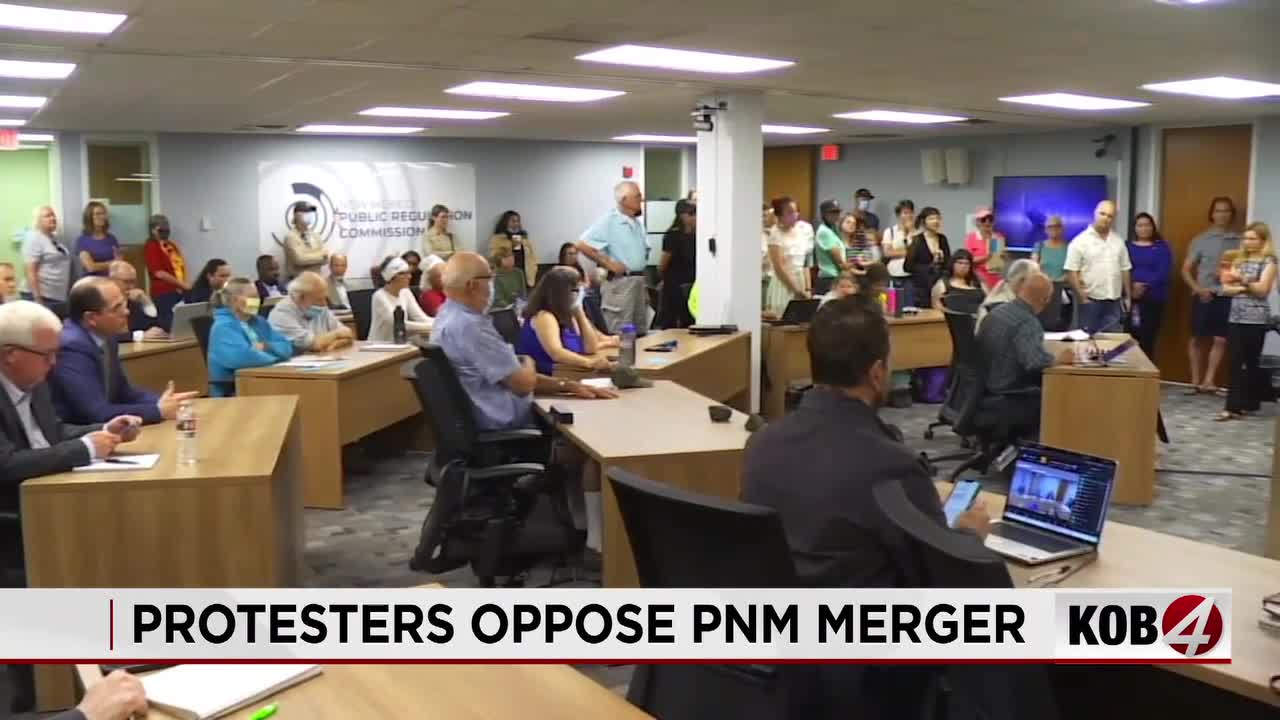
During a recent Public Regulation Commission meeting, the formal agenda was silent on the matter. Yet, the chamber pulsed with citizen outrage. Residents, many of whom haven’t got a dime to spare, stood up, sounding off. They aired their anxieties about what happens when the very infrastructure that lights their homes and keeps their food cold—a service traditionally governed by public interest—gets folded into the portfolio of a Wall Street behemoth.
Billy O’Nair, a community firebrand, didn’t hold back. His protest dipped into the satirical, imagining Blackstone’s influence. “Oh, so wherever we go, we don’t believe in sharing, we only buy shares,” O’Nair quipped, his voice laced with acid. “But we do believe in bribery — and gift giving, so we gave each commissioner a Blackstone. They can put it on their desk. They can engrave their name on it, just so that they remember who could be lining their pockets.” It wasn’t subtle. But neither is the prospect of struggling to choose between cooling your house — and buying groceries.
For families already stretched thin, the thought of higher rates isn’t some abstract economic theory. It’s dinner or not dinner. “There’s a lot of people who don’t even know what’s going on, but this is affecting all of the families in New Mexico,” Sally Deradke warned, her voice tight with genuine concern. “Increasing rates are going to devastate them.” She sees the PNM deal, alongside the recommended sale of New Mexico Gas Company, as more than just two transactions. It’s part of a relentless, broader pattern: outside money circling vital community resources like vultures. Because, she explained, these firms aren’t seeing people; they’re seeing numbers.
Vance Sterling, another local voice, painted a stark national picture. “Every time Blackstone has done this, all over the country, every time they’ve done this, ratepayers pay more. And we can’t afford it.” And that sentiment isn’t unfounded. Data from various consumer advocacy groups often points to a trend of increased rates post-acquisition by private equity. For instance, the Energy — and Policy Institute found that private equity-owned utilities across the U.S. often lobby for rate hikes — and reduce operating expenditures, which can impact service reliability. It’s a recurring story.
Meanwhile, the corporate machinery purrs on. PNM, for its part, maintains a steady line: the Public Regulation Commission, not some faceless investment fund, retains ultimate control over rates. A spokesperson for PNM highlighted the proposed $175 million in customer — and community benefits tucked into the deal. Think rate credits, assistance for low-income households. A Blackstone executive, requesting anonymity due to ongoing regulatory review, mirrored this, adding, “Our firm’s extensive capital injection is tailored to modernize New Mexico’s grid, ensuring robust infrastructure and fostering clean energy initiatives for decades to come, all under the PRC’s watchful eye.” They want us to believe it’s a win-win. They always do.
This New Mexico struggle isn’t happening in a vacuum. It’s a chapter in a global saga where national and regional assets—energy grids, communication networks, transport systems—are increasingly eyed by international investment vehicles. From Europe to South Asia, nations wrestle with the siren call of private capital against the need to protect their citizenry from market forces they often can’t control. Consider a country like Pakistan; they’ve long sought foreign direct investment to modernize their creaking energy infrastructure. But they also face the political tightrope of ensuring essential services remain affordable for millions who exist on the very edge of economic survival. It’s the same dance, just on a grander stage. How do you welcome much-needed funds without selling off the farm, piece by expensive piece?
What This Means
This battle for New Mexico’s energy future carries substantial political and economic weight, way beyond quarterly earnings reports. Politically, the optics of a major out-of-state private equity firm taking over a fundamental public utility create an undeniable populism problem. Lawmakers, especially those facing re-election, don’t want to be seen as rubber-stamping deals that hike bills for their constituents. There’s real pressure on the PRC to demonstrate it’s serving the people, not just the balance sheets. The question becomes: can they truly protect ratepayers when faced with the sheer lobbying power and financial muscle of firms like Blackstone?
Economically, it’s a debate over short-term gain versus long-term consequence. While a Blackstone infusion might mean immediate upgrades and potentially smoother operations, the track record of private equity in the utility sector often suggests an eventual pivot toward cost-cutting measures or rate increases to satisfy investor returns. The concern isn’t just about rates, but about the control—or lack thereof—a state maintains over a service so intrinsically tied to its citizens’ well-being. It’s a microcosm of the larger global debate about where the line gets drawn between vital public services and the unfettered pursuit of profit. But then again, does anyone actually expect profit to ever truly take a backseat?