


Beyond the Bait: Tennessee’s Youth Anglers Cast a Line for Community and Conservation
POLICY WIRE — Oak Ridge, USA — It wasn’t the headline you’d expect to jostle for attention on the morning wires. No dramatic legislative showdown. No diplomatic deadlock on distant...

POLICY WIRE — Oak Ridge, USA — It wasn’t the headline you’d expect to jostle for attention on the morning wires. No dramatic legislative showdown. No diplomatic deadlock on distant shores. Just an assembly of boats, families, and determined young anglers — a peculiar convergence that, on its surface, offered little by way of global import. Yet, sometimes, the truest indicators of a community’s resilience, its understated social capital, and its generational priorities aren’t found in budget debates or electoral rhetoric, but in the quiet, purposeful hum of an early Saturday on a lake. And Melton Hill Lake, a sprawling body of water usually the domain of seasoned pros and solitary reflection, was momentarily transformed.
Down at Clark Center Park in Anderson County, amidst the hush of an early February morning, a cadre of more than a hundred young people, some barely past elementary school, prepared to launch thirty-three boats into the icy expanse. They weren’t just chasing fish; they were pursuing a tangible connection to their surroundings, to skills passed down through generations, and to a slice of an outdoor life increasingly overshadowed by digital distractions. This was the latest installment of the Beast of the East tournament, a grassroots affair orchestrated by the Tennessee Bass Federation, which has, for decades, nurtured a particular brand of hands-on environmental stewardship among the state’s youth. You see the true impact, not just in the fish weighed, but in the sheer stubbornness of these volunteers, keeping this tradition alive.
Sherrie and Jeff Stafford, the unpretentious engine behind the youth program for Beast of the East, have been at this for an age. They started with just six kids. Now, they wrangle hundreds annually. “We’ve seen these kids absolutely blossom, haven’t we?” Sherrie quipped, a wry smile playing on her lips, reflecting on years of muddy boots and triumphant grins. “It’s never just about the biggest fish, is it? It’s about getting ’em out here, showing ’em what’s real. For some of ’em, honestly, this might be the only consistent thing they’ve got.” Their dedication acts as a powerful, unspoken argument for community-led initiatives, far removed from the complex bureaucratic layers that often accompany state-sponsored youth programs.
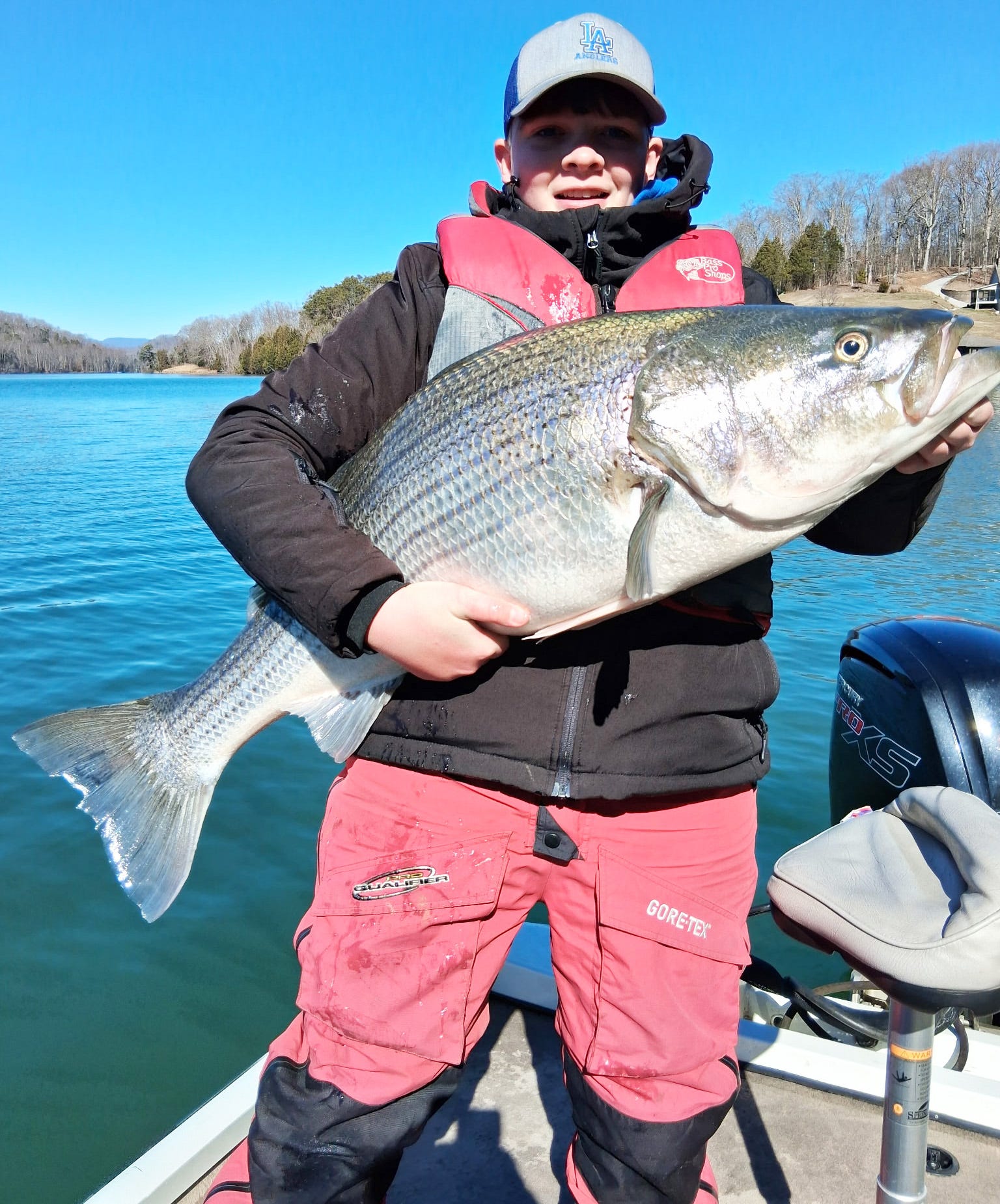
Indeed, one fourteen-year-old, Korbin Crabtree from Overton County, landed a monstrous fifty-pounder, a feat that would make any angler—novice or grizzled veteran—sit up straight. Prizes included new rods, shiny reels, — and contributions to college funds. But every young participant walked away with something, even those who experienced the particular humility of a fishless outing. It’s a subtle lesson, really: effort is rewarded, participation matters, — and the value isn’t always tied to the win. And that’s a philosophy many adults struggle to internalize.
Clark Center Park itself is an unassuming 40-acre marvel, replete with accessible ramps and trails, nestled alongside Gallaher Bend Greenway. It’s a reminder of public lands’ latent power, often overlooked until a specific event breathes new life into its purpose. Most of the tournament’s out-of-town participants, a significant chunk drawn from Middle and East Tennessee, admitted they’d never even heard of the place. But because of this weekend, they won’t soon forget it. Organizers reported a remarkable 33 boats participating in the tournament, indicating a strong draw beyond immediate local confines.
Because these experiences—connecting youth to nature, teaching patience, fostering community through shared endeavors—aren’t unique to Tennessee’s verdant landscapes. Think about similar endeavors across the Muslim world, from Pakistan’s coastal communities working to preserve mangrove forests and engage local youth in climate resilience, to youth groups in Southeast Asia dedicated to river cleanups. They’re all different manifestations of the same essential human need: grounding the next generation in their environment, imbuing them with a sense of stewardship, and providing alternatives to less wholesome pursuits. The specifics change, but the core objective – nurturing responsible citizens – doesn’t.
“Look, when we talk about investing in infrastructure, we often mean roads and bridges, right?” mused Councilman David Ramsey of Anderson County, echoing a sentiment of local pragmatism. “But these parks, these youth programs… that’s infrastructure for people, for the community’s future. It’s a smart investment, and frankly, a darn sight more rewarding to witness than watching asphalt dry.” He’s got a point. It costs something, certainly, but the return is in the caliber of kid that grows up appreciating the very resources they’re lucky enough to call home.
What This Means
The quiet success of a youth fishing tournament in rural Tennessee carries implications well beyond the immediate ripple effects on Melton Hill Lake. Politically, it spotlights the potent, often underestimated, role of grassroots organizations in delivering youth engagement and conservation outcomes that government agencies struggle to replicate alone. These groups, often staffed by unpaid volunteers, leverage local expertise and passion in ways state programs simply can’t always access.
Economically, events like these represent a miniature, organic tourism driver. Participants and their families traveled, fueled local gas stations, and bought snacks—small but meaningful injections into regional economies often overlooked by grander development plans. But more critically, it signals a successful cultivation of future environmental stewards. If the next generation doesn’t appreciate their local natural resources, the political will for conservation efforts down the line simply evaporates. And that’s where the insidious problems truly begin. It’s less about the trophy catch and more about planting seeds of connection, an idea vital whether you’re in Tennessee or tackling the complexities of aviation anxieties in Kathmandu, knowing full well that stability at home comes from engaging citizens, young and old.