

Bayern Munich’s Audacious Bet: Why €60 Million for Ismaël Saibari is More Than Just a Transfer
POLICY WIRE — Munich, Germany — Sixty million euros. That’s the formidable asking price PSV Eindhoven is reportedly attaching to Ismaël Saibari, the Moroccan international forward whose trajectory...

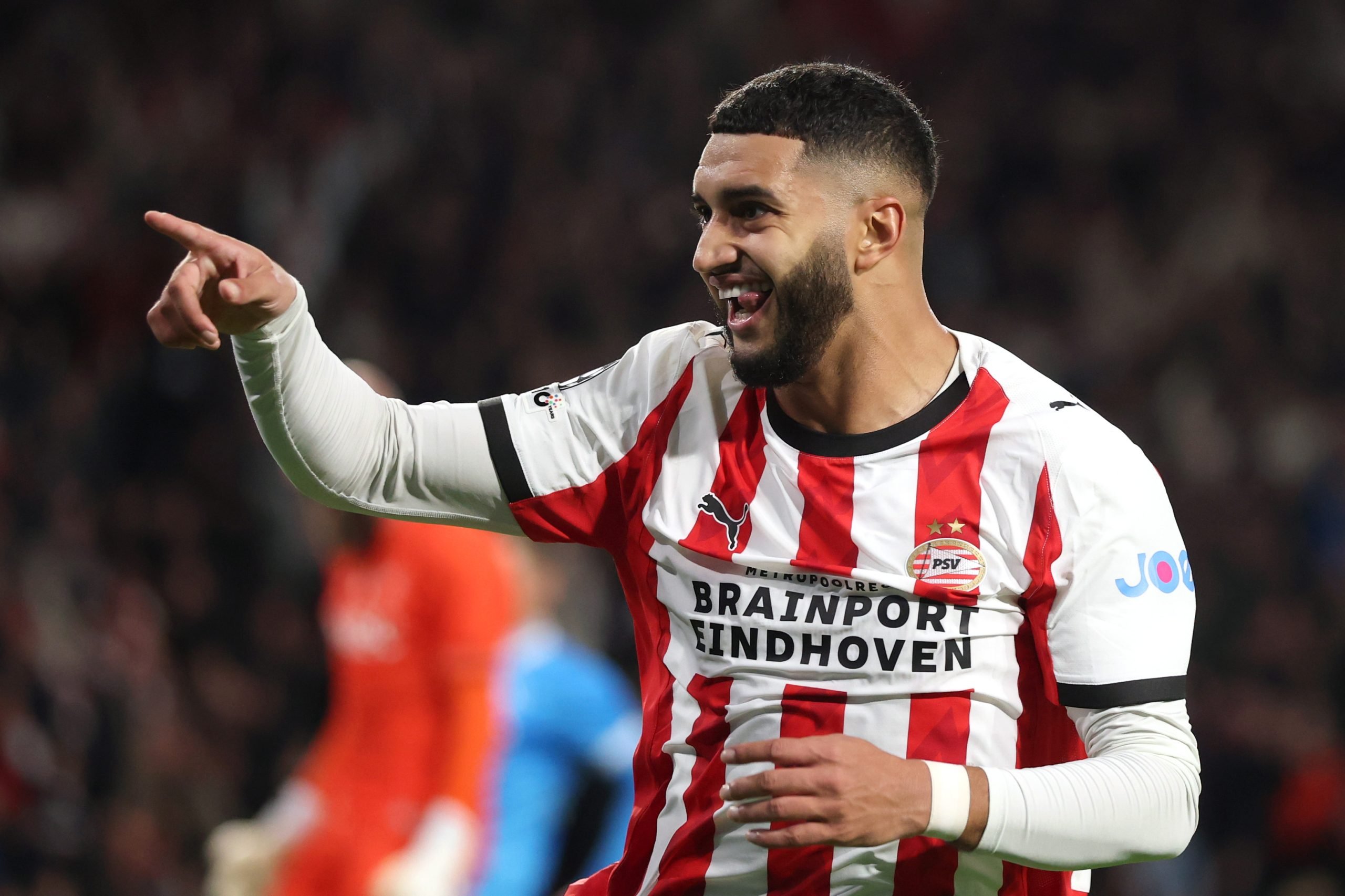
POLICY WIRE — Munich, Germany — Sixty million euros. That’s the formidable asking price PSV Eindhoven is reportedly attaching to Ismaël Saibari, the Moroccan international forward whose trajectory seems set for the dazzling — and demanding — lights of the Allianz Arena. It’s a sum that speaks volumes, not just about the prodigious talent of the 25-year-old, but about the high-stakes game Bayern Munich is playing to recapture its undisputed dominance. This isn’t just another transfer; it’s a statement, a wager, and perhaps, a touch of desperation thinly veiled by financial might.
After a season that, by Bayern’s own stratospheric standards, felt decidedly flat-footed—they didn’t exactly set the Bundesliga ablaze, did they?—the German champions appear determined to splash out. They’ve seemingly struck a four-year personal agreement with Saibari, binding him to Bavaria until 2030, according to insiders citing a Foot Mercato report. But the real heavy lifting now begins: persuading the Dutch champions, PSV, to release their prized asset. Because frankly, PSV isn’t just handing him over for a song.
Bayern’s pursuit, aggressive as it seems, is a symptom of a deeper malaise. Losing out on Newcastle United’s Anthony Gordon to Barcelona stung, undoubtedly. That near-miss underscored a nagging fear in Bavaria: are they still the magnetic force they once were? Club officials, under sporting director Max Eberl, know they can’t afford another misstep. They need fresh blood, immediate impact, — and players who embody that distinct Bayern ruthlessness.
“We’re not just looking for a player; we’re looking for an impact,” stated Max Eberl recently, though not directly on the Saibari case. “Someone who can step in, challenge, and truly make a difference in our squad, especially with the demanding calendar we face. The market dictates certain realities, but quality always has its price.” You don’t need to be a market analyst to read between those lines; they’re prepared to pay for perceived quality, or at least mitigate perceived risk. But for €60 million? That’s quite a bite.
Saibari’s stats from the 2025/26 Eredivisie campaign tell a compelling story: 15 goals — and 8 assists in 27 games. These are numbers that turn heads, especially in a league often dismissed as a talent incubator for richer pastures. But, and this is where the market truly flexes its muscles, turning Eredivisie form into Bundesliga — let alone Champions League — domination is rarely a straight line. There’s a risk profile here, substantial as it’s, that Bayern must weigh against the desperate need to reinforce wide attacking options, particularly with injuries sidelining Serge Gnabry and Jamal Musiala still finding his rhythm.
From PSV’s perspective, this isn’t just about the money; it’s about timing — and leverage. “Ismaël isn’t just a talent; he’s been instrumental to our recent successes,” an unnamed PSV official told us, reflecting the general sentiment at the club. “Any club wishing to secure his services understands his immense value to us, both on the pitch and in the transfer market. We’re in a strong position, and we intend to ensure our club’s future is robustly secured.” They’ve been burnt before, letting talents leave cheaply. They won’t make that mistake again. This time, they’re holding the reins.
For Saibari, a Moroccan international, this move isn’t just a career bump; it’s a narrative arc followed closely from Rabat to Karachi. The burgeoning presence of North African and diaspora players in Europe’s top echelons has reshaped fan engagement and cultural pride across the Muslim world. And with nearly 300 million football fans in South Asia alone, according to a recent Nielsen report on sports viewership, the resonance of a player like Saibari achieving such a high-profile transfer is immediate and far-reaching, reflecting broader shifts in global sporting interconnectedness.
What This Means
Bayern’s aggressive pursuit of Saibari signals a pivot, a departure from their historically measured—some would say shrewd—transfer policy. This isn’t the patient, calculated approach of Uli Hoeneß’s era. This is a pragmatic, almost reactive, attempt to inject dynamism into a squad that, despite its domestic titles, has felt increasingly stale on the European stage. But paying top dollar, especially when other elite clubs like PSG also showed interest, isn’t always a sign of strength; sometimes, it betrays a lack of alternatives or a growing anxiety.
Economically, if this €60 million deal goes through, it underscores the relentless inflation in the player market, where potential is valued almost as highly as proven performance. It forces every selling club, particularly those outside the financial behemoths, to reassess their assets and demand their fair, inflated share. For PSV, it means a significant war chest for reinvestment, allowing them to perpetuate their cycle of talent development and sale. And, it’s worth noting, the player’s agreement isn’t the same as the club’s; PSV holds all the cards until that figure hits their table.
But the political implications extend beyond the pitch. High-profile transfers of players like Saibari — particularly those with roots in emerging footballing nations — reinforce football’s soft power. It allows leagues like the Bundesliga to tap into new markets, attract diverse viewership, and further globalize their brand. It’s a complex equation of expected value, talent acquisition, and brand expansion. This isn’t just about Saibari scoring goals; it’s about Bayern — and German football — reaffirming its place at the very pinnacle, cost be damned. They’re betting big that this time, their investment won’t just fill a squad gap; it’ll ignite a revolution.