


Barcelona’s Marina: Anchor of Europe’s Fraying Identity
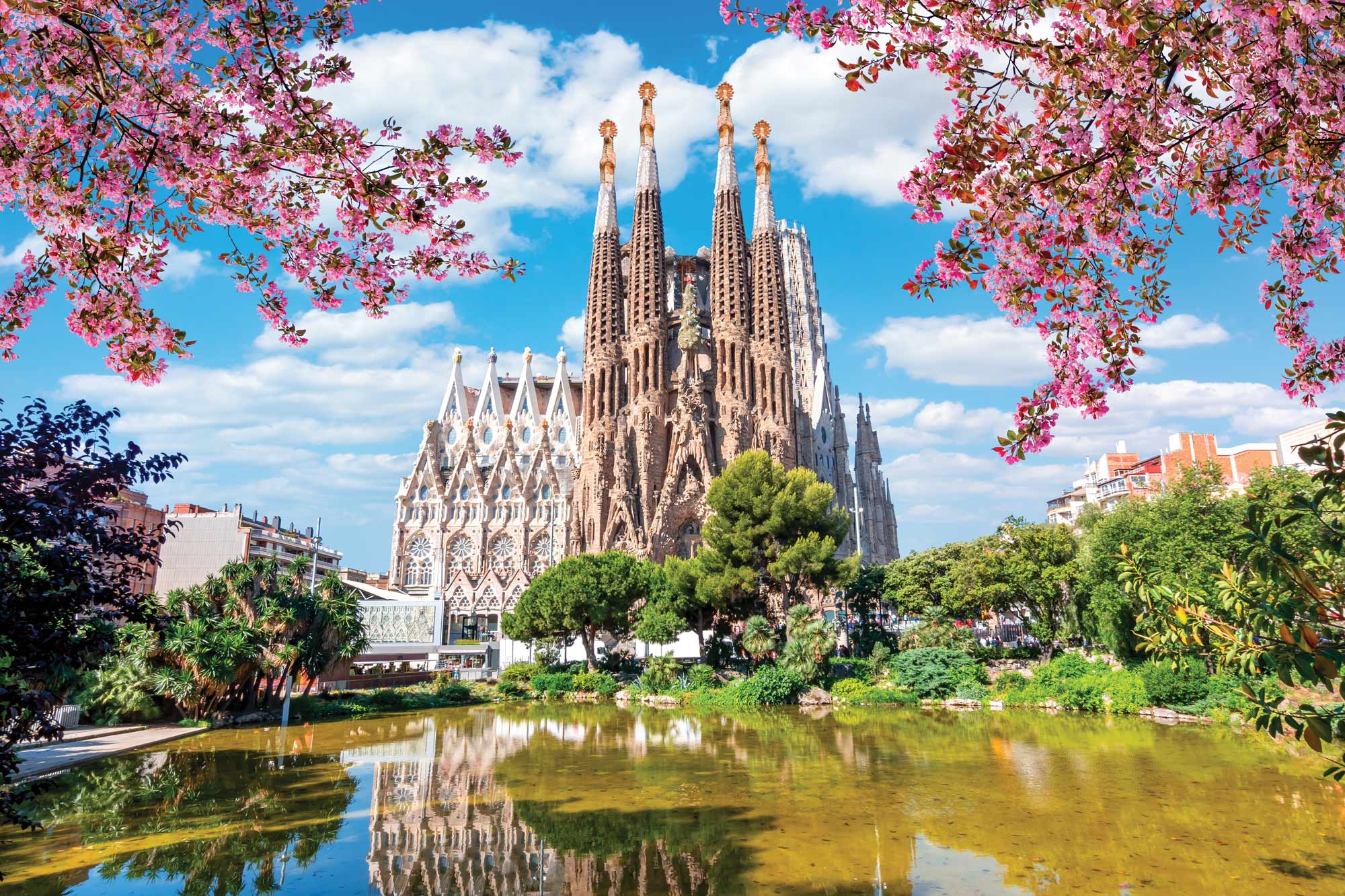
POLICY WIRE — Barcelona, Spain — You stroll past Gaudí’s architectural whimsy— Sagrada Familia’s skeletal grandeur or Park Güell’s mosaic dragons—and maybe grab a plate of paella down by the beach....

POLICY WIRE — Barcelona, Spain — You stroll past Gaudí’s architectural whimsy— Sagrada Familia’s skeletal grandeur or Park Güell’s mosaic dragons—and maybe grab a plate of paella down by the beach. It’s the picture postcard, right? Tourists milling about, cash registers humming. But step closer to the water, where the gleaming yachts of Port Vell jostle for mooring space—that’s where the real story bubbles up. It isn’t just about superyachts or the anchor fees, which can run [QUOTE_PLACEHOLDER] upwards of several thousand euros a night [QUOTE_PLACEHOLDER] during peak season, depending on the vessel’s length and amenities. No, it’s about a city—a nation, even—grappling with its own image, its finances, and its increasingly volatile position in a fractured Europe.
Barcelona, often a bellwether for Spain’s economic pulses, particularly its uneven recovery, stands as a prime example of global capital’s dizzying flow and sudden, chilling retreats. There’s this veneer of endless sunshine — and easy living, sure. But behind the perfectly manicured tourist traps, an altogether grittier battle plays out. We’re talking about everything from property speculation that’s pricing out locals to the subtle (and sometimes not-so-subtle) tussles over cultural identity that haunt Catalan streets—the whole ‘independent Catalonia’ business, for instance, a perpetual simmer that impacts investor confidence.
And those marinas? They’re not just playgrounds for the absurdly rich. They’re economic conduits, sometimes illicit ones. Cash washes through these ports—clean and, let’s be frank, not-so-clean—fueling a property market that feels increasingly decoupled from the everyday Spaniard’s wage. Think of it: money from who-knows-where buys up prime real estate, and suddenly a city designed for its people becomes an exhibition hall for foreign wealth. It’s an age-old narrative, but it’s playing out here, now, with an alarming intensity. In 2023, the Spanish National Statistics Institute reported that foreign investment in real estate rose [QUOTE_PLACEHOLDER] nearly 15% year-on-year [QUOTE_PLACEHOLDER], much of it concentrated in coastal hubs like this.
It’s not just Europe, either. The same forces—global wealth chasing stability, even if it’s an illusion, or opportunities for financial maneuvering—are at play worldwide. We see echoes of this economic dance, believe it or not, in places as far-flung as Pakistan’s Gwadar Port. That’s a strategically significant deep-sea port, a cornerstone of China-Pakistan Economic Corridor (CPEC) initiatives. While Barcelona caters to leisure and high-end tourism, Gwadar is about geopolitics, trade routes, and Beijing’s long-game ambition. Both, in their own unique ways, symbolize critical chokepoints of capital flow — and national strategy. One draws superyachts; the other, superfreighters — and potentially, naval assets. The stakes couldn’t be more different, but the fundamental pressure points of global finance and political influence are remarkably similar. You see it here, with European regulatory frameworks being tested; you see it there, with an emerging power flexing its muscles across the Indo-Pacific. And it’s not always pretty.
Spain’s tourism industry, for example, is a massive job creator—a true engine. But the reliance on it has always felt a little flimsy. Like a beautifully painted facade on a structure that’s got some stress fractures. When the world catches a cold, places like Barcelona get pneumonia, financially speaking. It’s a cyclical thing, this boom-and-bust cycle. And those marinas? They’re often among the last to feel the pinch, but they certainly aren’t immune. Global sanctions, shifting geopolitics, new wealth hubs—they all impact who anchors where, and more importantly, how much capital flows through this sun-drenched port.
It’s a bit like watching a beautifully choreographed dance where the dancers keep tripping over their own feet. There’s all this beauty, this history, this allure. But then there are the less romantic bits: the endless arguments about regional autonomy versus national unity, the quiet anxieties about Spain’s standing in a post-Brexit EU, or even just how many Airbnbs a neighborhood can handle before it loses its soul. These are the underlying currents you feel if you stand long enough by the water, listening past the clang of yacht rigging and the cheerful chatter of day-trippers. And they certainly won’t be on any postcard.
What This Means
Barcelona’s shimmering marina, much like its celebrated architecture, presents a facade. Beneath the sheen of luxury tourism and the promise of perpetual sun, we find a city—and by extension, a nation—grappling with the multifaceted impacts of global capital, local identity politics, and economic resilience. The concentration of wealth seen in places like Port Vell amplifies socio-economic disparities, exacerbating issues such as affordable housing and over-tourism for local communities. But more significantly, these hubs are not just about yachts; they’re critical points where international financial currents intersect with national policy and regional aspirations. Spain’s continued reliance on tourism, while a potent economic engine, also exposes its vulnerability to external shocks—be they pandemics, geopolitical shifts, or regulatory changes affecting international investment. This makes the country, despite its Western European stability, susceptible to the whims of a global economy driven by forces far beyond its immediate control. The ongoing debate around Catalan independence further complicates this, adding an internal political dimension that frequently spills into economic uncertainty. For investors and policymakers alike, Barcelona is a high-definition case study: how do you balance global integration and local well-being when capital moves faster than legislation and identity runs deeper than market logic? It’s a question without an easy answer, and one that reverberates well beyond Spain’s borders, into similar high-value urban centers struggling with the same tensions. The port isn’t just an entry point for cruise ships; it’s a visible nerve ending of the Spanish economy.