


Quiet Purge Echoes: Pakistani Lives Upended in Gulf’s Shadow Play
POLICY WIRE — Islamabad, Pakistan — Sometimes, the quietest tremors hit the hardest. It’s not just a statistic, this unraveling, but a constellation of shattered lives across countless villages....

POLICY WIRE — Islamabad, Pakistan — Sometimes, the quietest tremors hit the hardest. It’s not just a statistic, this unraveling, but a constellation of shattered lives across countless villages. We’re talking about folks — many of them men who built entire existences in the desert sun — suddenly yanked from their livelihoods, their futures extinguished. You’d expect a firestorm if a hundred families were summarily tossed out of a country, right? Yet, this one’s a slow burn, fueled by geopolitical whispers and the stark reality of shifting alliances in the Middle East.
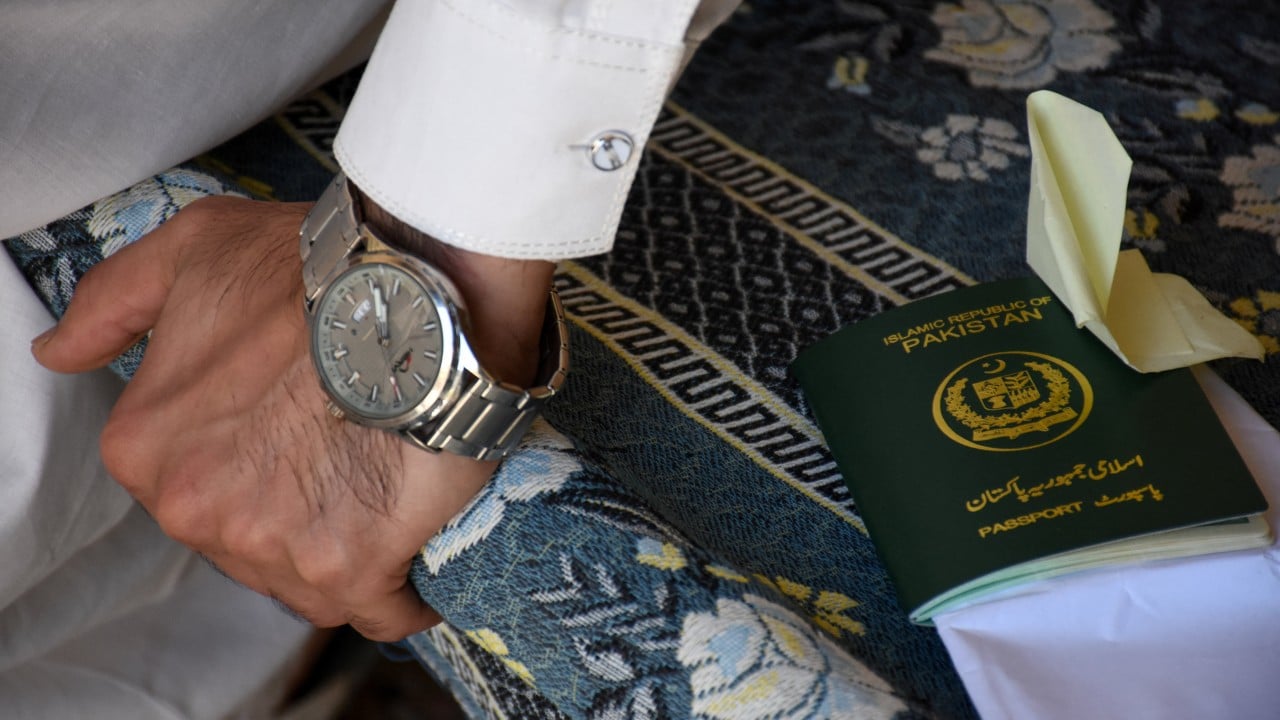
It’s a brutal twist, really. A significant chunk of these laborers, those who’d banked on years of toil in the glittering skyscrapers of the United Arab Emirates, are finding themselves back in Pakistan. Not with savings or retirement plans, but with nothing more than the clothes on their backs. In a cluster of villages in Pakistan’s largely rural Chakwal district, more than 100 Shiite Muslims have returned from the United Arab Emirates without jobs, luggage or access to the savings they spent years building abroad. You can just imagine the bewildered faces, the desperate calls home, the chilling void where prosperity used to be. [QUOTE_PLACEHOLDER]
And it ain’t just Chakwal. Oh no. The true scope of this unannounced diaspora stretches far beyond any single village or district. This isn’t just about a few unlucky souls; it’s a systemic, calculated action. They’re among potentially thousands of Shi’ites deported from the UAE to Pakistan during the Iran war, raising alarm in Pakistan’s Shiite community and prompting Human Rights Watch to investigate. Think about that for a second: a conflict far from their homes, a cold geopolitical game, yet these working-class individuals pay the ultimate personal price. It’s an inconvenient truth for Gulf states often keen to project an image of open-arms hospitality.
The original report hints at the bureaucratic labyrinth involved. Journalists reviewed immigration documents, visa-status screenshots and… — evidence gathered at great personal risk by a very small band of intrepid reporters, no doubt — suggesting these aren’t random occurrences, but rather a coordinated push. It makes you wonder about the gears turning behind the scenes, doesn’t it?
For decades, Pakistani labor, including a significant proportion of its Shiite population, has formed the backbone of the UAE’s economy. Their remittances have been a lifesaver for Pakistan’s often struggling economy, with the State Bank of Pakistan reporting approximately $3.7 billion originating from the UAE in the last fiscal year alone. But this current wave of deportations cuts deep, severing those financial lifelines overnight. Many of these men, we’re told, left behind everything, even their bank accounts. They’re now facing immense financial strain back home, unable to even retrieve what was rightfully theirs. What a nightmare.
Because, let’s be real, Pakistan’s economic outlook is already tenuous. The nation can hardly absorb a sudden influx of unemployed workers, particularly those returning without a single rupee. It’s a destabilizing factor for individual families, of course, but it’s also a serious jolt to a country that depends heavily on its overseas workforce.
What gives here? Well, the elephant in the room is that elusive, undeclared, ‘Iran war.’ While no bombs are officially falling, there’s a vicious regional proxy struggle unfolding, with Iran on one side and Saudi Arabia and its allies, including the UAE, on the other. Pakistan has always had a delicate dance with both powers. It maintains ties with Tehran but is economically tethered to Riyadh — and Abu Dhabi. So, when the UAE starts clearing out its Pakistani Shiite population, it’s not hard to connect the dots. It signals a hardening stance, a winnowing out of perceived potential sympathizers or, at the very least, an abundance of caution—or outright suspicion—during an increasingly paranoid regional climate.
What This Means
The geopolitical ramifications here are far from trivial. For Pakistan, it’s a tightrope act made even more treacherous. Islamabad faces increasing domestic pressure from its own substantial Shiite population — roughly 15-20% of the total — which views these deportations as religiously motivated targeting. This can and will exacerbate sectarian fault lines already present within the country, adding fuel to an already volatile mix. Don’t kid yourself, this is exactly the kind of stuff that inflames sentiments.
Economically, the sudden cessation of remittances for these thousands of families doesn’t just mean personal hardship. It’s a broader hit to Pakistan’s foreign exchange reserves, however incremental. More critically, it sends a chilling message to the Pakistani diaspora across the Gulf, suggesting their stability and welcome are contingent on regional politics, not just economic contribution. For a country reliant on its expatriate workforce, that’s a bitter pill to swallow. It creates a palpable sense of insecurity among overseas workers and casts a long shadow over future emigration prospects, a critical outlet for Pakistan’s burgeoning youth population.
But the silent consequence, the one that whispers through the bazaars and coffee houses from Karachi to Kandahar, is the chilling effect on freedom of movement and perceived religious neutrality within Gulf states. If one’s sect becomes a liability, if simply being a Shiite Pakistani is enough to lose everything, then the narrative of inclusive prosperity in these booming Arab economies quickly falls apart. It’s a grim reminder of how deeply personal lives are intertwined with—and often shredded by—grand political games. It isn’t just about jobs, or frozen savings, is it? It’s about dignity, safety, — and the right to simply exist without becoming a pawn in someone else’s quiet war.