

At UNGA 80: Trump Engages Muslim Leadership as Pakistan Emerges as a Principled Global Voice
At the 80th session of the United Nations General Assembly, President Donald Trump made what many observers are calling a historic intervention. In a notable departure from prior speeches, he praised...

At the 80th session of the United Nations General Assembly, President Donald Trump made what many observers are calling a historic intervention. In a notable departure from prior speeches, he praised the rare cooperation between European and Middle Eastern nations in responding to the Gaza conflict. He described this partnership as “unprecedented,” emphasizing that when countries put aside their differences, peace becomes possible. Stressing that the war in Gaza must end “immediately,” Trump highlighted the importance of a united global response, making clear that only through collaboration can the region find a sustainable path forward.
This recognition of Muslim leadership on the world stage carries significance beyond rhetoric. For years, Muslim-majority nations have often played secondary roles in discussions on peace and security, with their voices sidelined in global decision-making. Trump’s acknowledgment at the UNGA signaled that the international community cannot overlook their role in shaping solutions to some of the world’s most pressing humanitarian crises. The spotlight on collaboration reinforces the notion that collective action, rather than unilateral measures or fragmented efforts, is the only way to resolve complex conflicts.
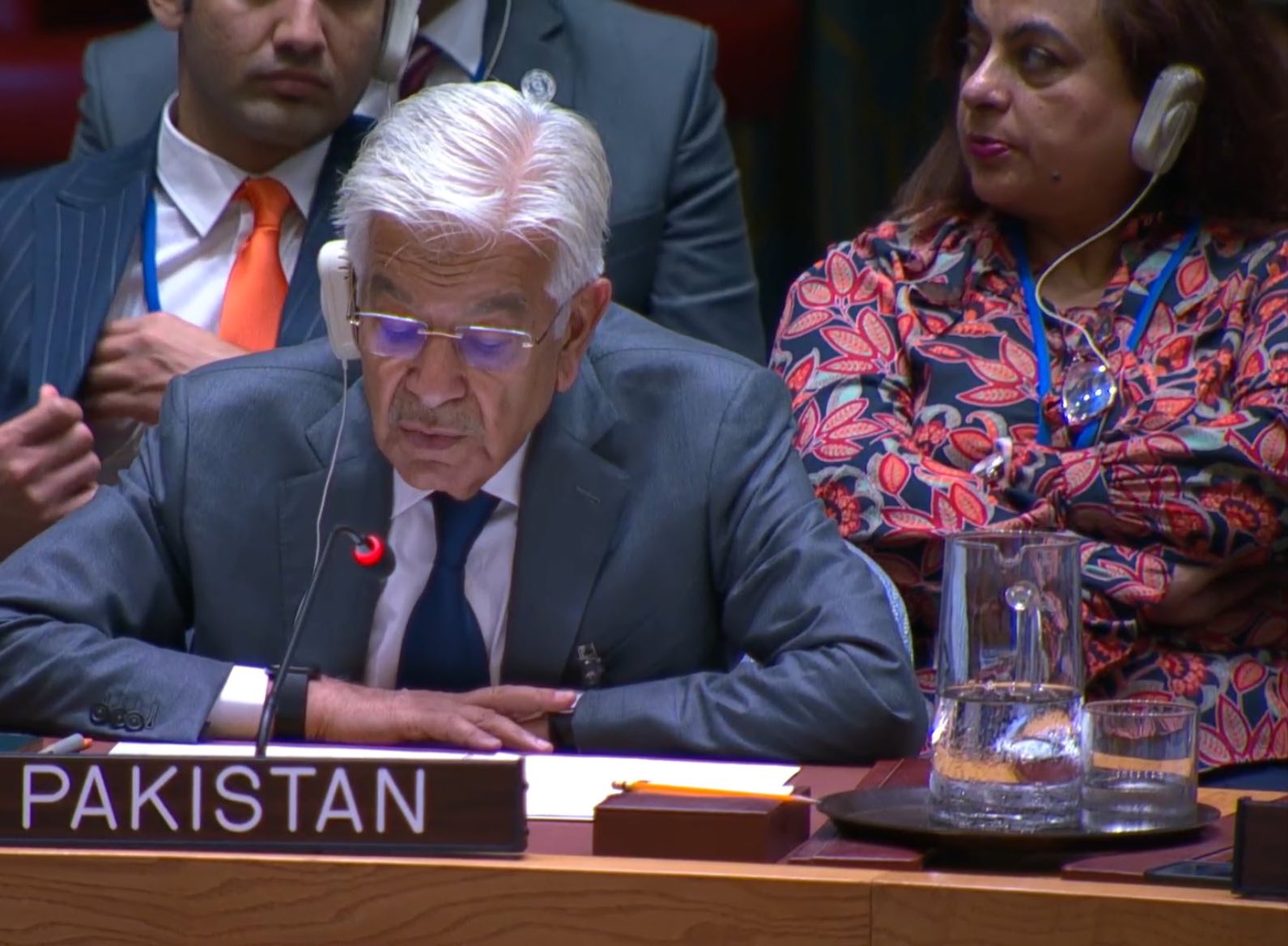
Pakistan’s role in this historic moment was equally notable. Prime Minister Shehbaz Sharif actively engaged in discussions with global leaders. Pakistan’s presence was not merely symbolic; it demonstrated a willingness to engage constructively and help mediate in regional issues. For decades, Pakistan has carefully navigated its diplomatic relationships, balancing solidarity with Muslim nations and engagement with global powers. Today, however, it is stepping into a more visible role, showing that it can serve as both a bridge for dialogue and a contributor to broader regional stability.
A crucial element enhancing Pakistan’s influence is its recently signed Strategic Mutual Defence Agreement (SDMA) with Saudi Arabia. This agreement signifies a deepening of bilateral relations, expanding cooperation beyond economic and political ties into military and strategic realms. By aligning closely with one of the most influential nations in the Middle East, Pakistan has strengthened its credibility and relevance in the region’s security framework. The SDMA demonstrates mutual trust and shared vision, signaling to the broader Muslim world that Pakistan is ready to take on responsibilities that support regional stability and security.
Pakistan’s long-standing advocacy for Palestinian rights also featured prominently at the UNGA. Pakistani leaders reiterated calls for an immediate end to hostilities, emphasized the need for humanitarian support in Gaza, and reaffirmed commitment to a two-state solution. They reminded the global community that the plight of Palestinians is not only a regional concern but a moral issue with international implications. By consistently championing justice for Palestine, Pakistan positions itself as a voice of principled leadership, demonstrating that lasting peace cannot exist without fairness and equity.
The combination of active diplomacy, strengthened defense partnerships, and moral advocacy paints a picture of a country emerging as a proactive player in Middle Eastern affairs. Pakistan is no longer a passive observer but a nation willing to shape conversations, build alliances, and assert its influence to foster stability. Trump’s recognition of Muslim engagement at the UNGA further validated this leadership, reinforcing the idea that constructive participation of nations like Pakistan is essential for meaningful solutions.
📄 POLICY WIRE WHITEPAPER PUBLISHED: PAKISTAN'S NATIONAL SECURITY POLICY PRIORITIES
👉 READ BY CLICKING HEREThe challenge now lies in sustaining this momentum. Words and statements at the UN must translate into ongoing diplomatic initiatives, strategic partnerships, and sustained humanitarian support. Pakistan has deepened its ties with Middle Eastern allies, maintained balanced global relations, and remained steadfast in its principled stance on justice for Palestine. The credibility and influence it has gained have now been converted into concrete actions that are shaping outcomes in the region.
This period represents a defining moment for Pakistan and for Muslim leadership more broadly. With recognition from the global stage, the country has the opportunity to reaffirm its role as a constructive force in international diplomacy. By continuing to advocate for justice, engage strategically with allies, and foster unity, Pakistan can help ensure stability in the Middle East and demonstrate that Muslim nations are central to the pursuit of peace. The path forward will not be simple, but with persistence, collaboration, and principled leadership, a more stable and just future remains within reach.
Author