


Lagarde Urges Global Dialogue on China’s Yuan to Address Economic Imbalances
POLICY WIRE — Frankfurt, Germany — The intricate web of global economics frequently sees its fundamental balances threatened by a host of factors, but few reson...

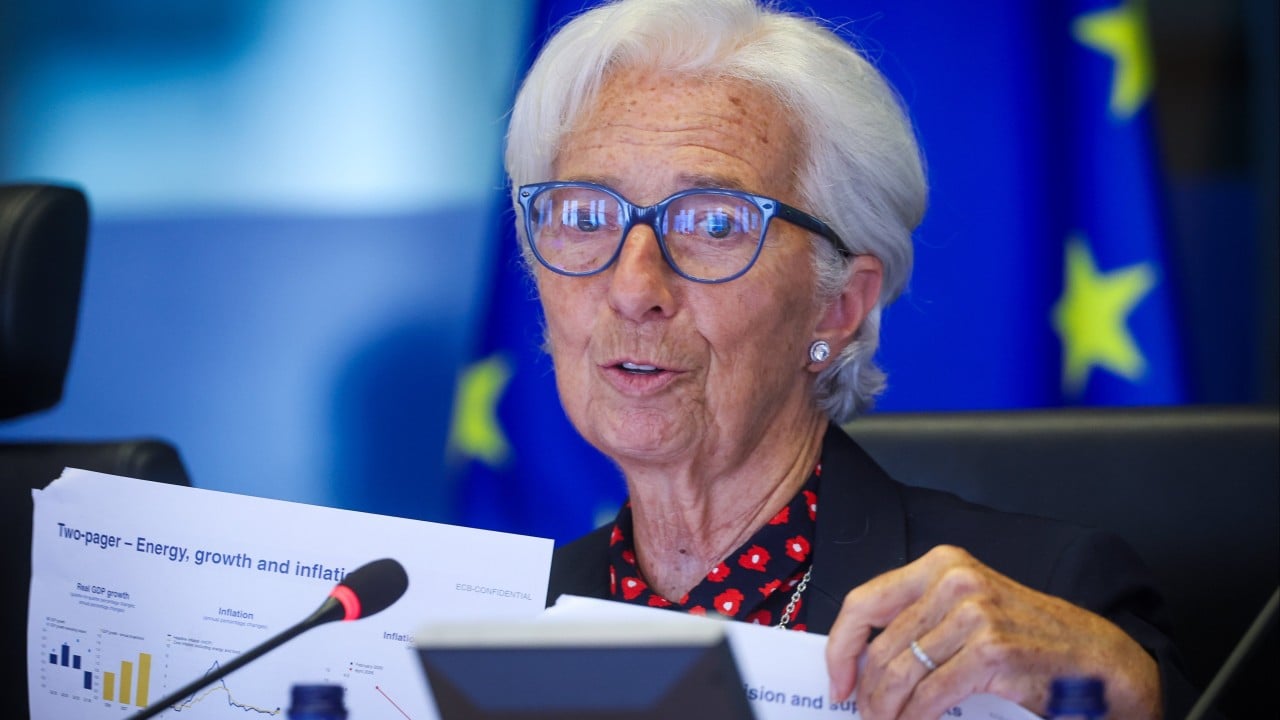
POLICY WIRE — Frankfurt, Germany — The intricate web of global economics frequently sees its fundamental balances threatened by a host of factors, but few resonate as persistently as currency valuation. On Monday, European Central Bank President Christine Lagarde underscored one such long-standing contention, urging world leaders to confront the perceived undervaluation of the Chinese currency. Her comments situate the yuan’s status as a pivotal element in a broader discussion on the imbalances that pose risks to the stability of the global economy. (Reporting based on Reuters)
Lagarde’s intervention aligns with a chorus of concerns emanating from last week’s Group of Seven (G7) nations meeting in France. While Beijing consistently maintains its stance against currency manipulation as a means to gain trade advantage, the sheer scale of China’s burgeoning trade surpluses remains a prominent worry among G7 leaders. These surpluses, when coupled with the United States’ persistent chronic deficits and analogous issues within Europe, paint a picture of a global economic landscape struggling with significant macroeconomic mismatches.
The G7’s discussions and Lagarde’s remarks highlight a sensitive issue that has ebbed and flowed through international economic dialogues for decades. A currency deemed undervalued can render a nation’s exports cheaper and its imports more expensive, thereby bolstering its trade balance. Critics often argue that this provides an unfair competitive edge, disrupting global trade flows and impacting employment in rival economies. China’s significant role in global manufacturing and trade magnifies the implications of its currency policy on a planetary scale, making its valuation a perennial subject of intense scrutiny from international bodies and trading partners alike.
Historically, accusations of currency manipulation against China have been a frequent feature in economic policy debates, particularly from the U.S. and some European nations. The core argument rests on the idea that the yuan’s exchange rate against major currencies like the U.S. dollar — and the Euro doesn’t fully reflect underlying economic fundamentals. If allowed to float more freely, proponents of this view contend, market forces would lead to a stronger yuan, mitigating China’s trade surplus and contributing to a rebalancing of the global economy.
However, China’s economic policymakers often counter by asserting that their currency management practices are designed to maintain financial stability and foster sustainable economic growth. They argue that sudden and dramatic shifts in the yuan’s value could introduce volatility detrimental to both the domestic and global economies. Beijing has often pointed to structural factors beyond currency levels—such as its industrial base, supply chain efficiency, and massive domestic market—as the true drivers of its export prowess.
The current global economic environment, marked by uneven post-pandemic recoveries, high inflation in some regions, and geopolitical uncertainties, amplifies the stakes of such discussions. For central bankers like Lagarde, ensuring financial stability and a level playing field for international trade is paramount. Persistent trade imbalances can fuel protectionist sentiments, potentially leading to trade wars and undermining multilateral cooperation, precisely what global financial institutions aim to prevent. The G7’s focus on these mismatches signals a collective understanding that these issues are not confined to bilateral relations but have systemic repercussions for worldwide prosperity.
What This Means
The European Central Bank President’s call for dialogue on the yuan’s valuation is more than just a renewed complaint; it signifies a coordinated, high-level effort to address perceived systemic vulnerabilities. Her statements, made shortly after G7 talks, underscore a collective commitment from leading economies to push for a re-evaluation of current practices that, they believe, are skewing global trade and investment flows. While direct accusations of ‘manipulation’ can be politically charged, Lagarde’s framing of ‘undervaluation’ as a contributor to ‘imbalances endangering the global economy’ suggests a diplomatic push for change through multilateral engagement.
The immediate implication is likely continued pressure on China to allow for greater flexibility in its exchange rate policy. However, Beijing’s historical reluctance to succumb to external pressure on its currency suggests that significant shifts may not come swiftly. Any moves by China would be carefully weighed against its domestic economic goals, including maintaining export competitiveness and internal stability. For global businesses, the sustained spotlight on the yuan implies potential for future currency shifts, which could impact sourcing, export strategies, and supply chain management. This ongoing debate remains a critical indicator of the broader geopolitical and economic competition playing out on the global stage, hinting at whether international cooperation can indeed iron out the wrinkles of an increasingly integrated yet often contentious global economy.