

New Mexico’s Smoke Crisis: Arid Future Unfurls
Wildfire smoke chokes New Mexico, revealing a grim arid future. Explore the public health, economic, and political crisis unfolding due to climate change.

POLICY WIRE — Albuquerque, N.M. — It’s hardly the idyllic ‘Land of Enchantment’ when morning brings not crisp desert air, but a noxious haze clinging to everything, pushing residents indoors and forcing an uncomfortable reckoning with a new normal. Forget sun-drenched vistas; folks here woke to skies a dull, sepia tone this week, a direct consequence of distant, raging wildfires—another stark reminder that climate change isn’t some far-off threat for future generations to fret over. It’s here. Now. And it’s coughing up smoke.
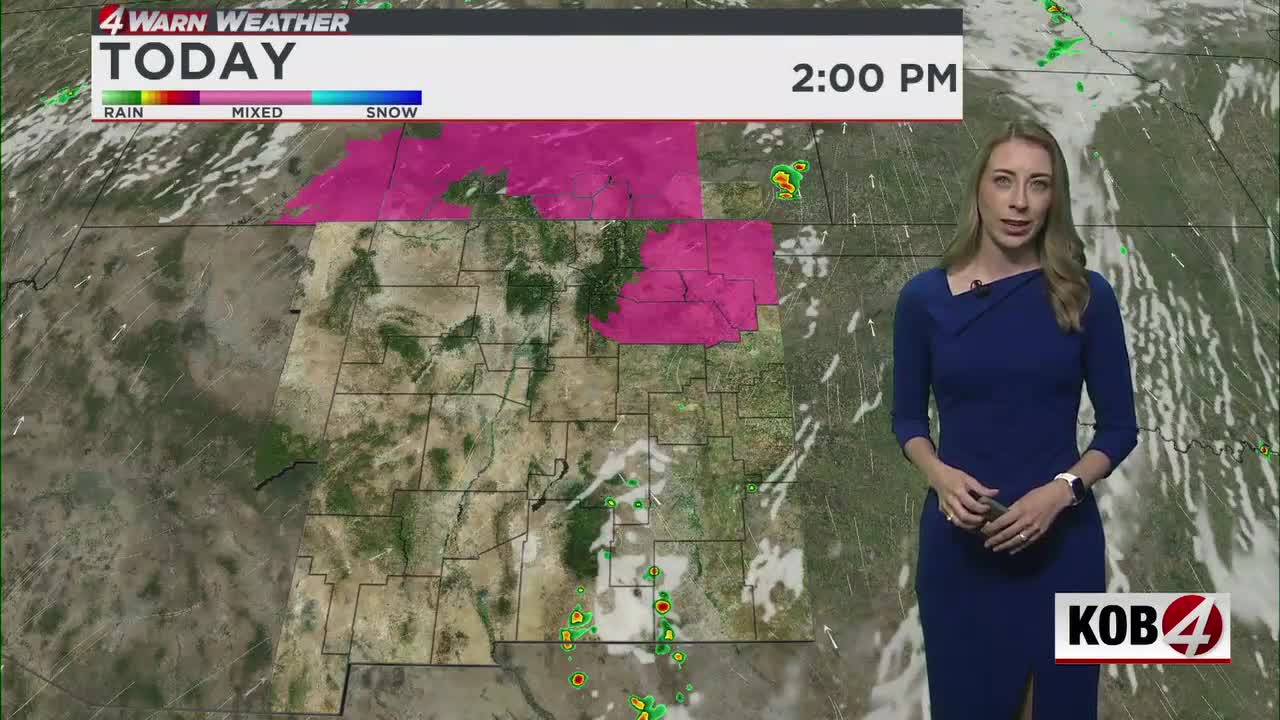
Southwesterly winds, predictable as a tax hike, have been funneling the gritty residue of the Sacaton Fire, deep within the Gila National Forest, directly across New Mexico’s most populous corridor. By Thursday, air quality in Albuquerque hovered stubbornly at ‘moderate,’ though pockets—like those sprawling suburbs south towards Los Lunas—got hit harder. It wasn’t just ‘moderate’; some neighborhoods were dealing with air officially deemed ‘unhealthy for sensitive groups.’ If you’ve got lungs that aren’t quite up to par, or maybe a tiny human or an elder in the house, you’re practically under house arrest, indoors, keeping strenuous activities to a minimum. Can’t be taking deeper breaths when each one tastes of ash, can you?
And that’s the rub, isn’t it? Because even if the smoke briefly clears by afternoon, only to return with Friday’s sunrise, the problem isn’t just about a bad day for a jog. This recurring atmospheric gloom isn’t a mere inconvenience; it’s a silent siege on public health and a creeping drain on a region already battling existential threats like water scarcity. It’s making people wonder, quite rightly, what exactly state and federal agencies are doing, besides issuing advisories that tell you to simply stay inside.
New Mexico Governor Michelle Lujan Grisham didn’t mince words when pressed on the state’s escalating wildfire crisis last month. “We’re pouring resources into fire suppression, but we’re fighting battles on two fronts now: the fires themselves, and the air quality fallout for our communities,” Grisham reportedly stated from Santa Fe. “It’s a struggle that’s becoming more persistent, and we absolutely need stronger federal partnership on land management and preventative measures to protect our air, not just our forests.” Her administration, you see, isn’t just facing the immediate fire threat, but the growing political cost of a perpetually choked populace.
This persistent smoke, and the policies—or lack thereof—that exacerbate it, mirrors a growing concern across similarly arid and densely populated regions globally. From the scorching deserts of Arizona to the beleaguered populations in parts of Pakistan and the Levant, extreme heat, coupled with increased fire activity, presents an eerily familiar blueprint for widespread environmental and public health challenges. Because while New Mexico fights its fires, Islamabad struggles with urban smog and unprecedented heatwaves; they’re all chapters in the same grim book of a changing climate, each locale just seeing different symptoms.
“We’re witnessing a systemic degradation of respiratory health, particularly in vulnerable populations,” noted Dr. Elias Khalil, a leading public health official at the New Mexico Department of Health. “These aren’t just transient sniffles. It’s chronic conditions, exacerbated asthma, increased emergency room visits for cardiovascular issues. We’re preparing for a future where ‘hazy skies’ might become the defining characteristic of summer, and we’re building public health strategies around that rather grim forecast.” That’s a bureaucratic way of saying, ‘It’s only going to get worse, folks.’
Meanwhile, the state’s resources are being stretched thin. The National Interagency Fire Center (NIFC) reported that, on average, the length of the fire season in the western U.S. has expanded by over 80 days since the 1970s. Eighty days! Think about that—almost three additional months each year when you’re on tenterhooks. That’s not just a weather anomaly; it’s a structural shift that demands structural solutions, — and pronto. Red Flag Warnings, for instance, are becoming less a rare event and more a seasonal commonplace for parts of the state, signaling critical conditions like strong winds and alarmingly low humidity—perfect kindling for what’s already a tinderbox. It’s a climate change battle with an increasingly high human cost.
What This Means
The acrid haze over New Mexico isn’t just a weather story; it’s an economic, public health, — and political flashpoint. Economically, prolonged periods of poor air quality can cripple outdoor tourism, depress retail activity as consumers stay home, and even affect agricultural yields in the long run. The state, already grappling with complex issues like energy transitions and water rights, faces a mounting bill for firefighting and an increasing burden on its healthcare system—costs often absorbed by local taxpayers. Politically, the persistent threat tests the resolve and capacity of local and state governments to adapt, forcing a deeper reliance on federal aid that isn’t always guaranteed, and prompting questions about land management policies. But, it’s also exposing disparities: lower-income communities often lack the air purification systems or access to medical care that wealthier residents might take for granted, making them disproportionately vulnerable. It’s a quiet, ongoing battle for many residents, often out of the headlines but deeply felt. This trend highlights the urgent need for integrated policy solutions spanning public health, environmental protection, and socio-economic support systems, not just reactive firefighting. Otherwise, these hazy days will simply become a precursor to hotter, drier, — and far more debilitating futures.