


America’s Mythic Byway: Route 66 Turns 100, But Its Future Remains Undriven
POLICY WIRE — Gallup, N.M. — It’s a bit like watching an old film projector clatter back to life, spitting out sepia-toned images on a dusty wall. This year, America’s legendary Route 66 doesn’t just...

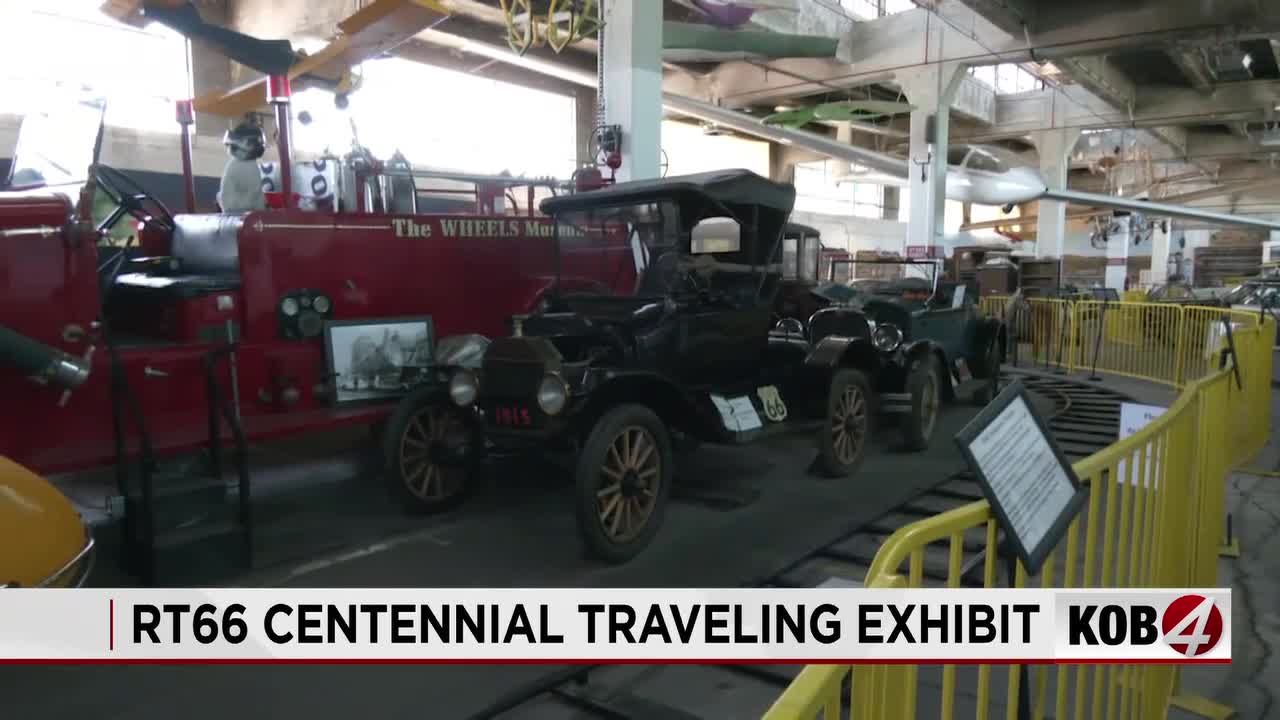
POLICY WIRE — Gallup, N.M. — It’s a bit like watching an old film projector clatter back to life, spitting out sepia-toned images on a dusty wall. This year, America’s legendary Route 66 doesn’t just turn 100; it’s attempting a resurrection, however symbolic, on the screens and panels of a traveling exhibit. Not a grandiose government undertaking, mind you, but a small, determined effort that’s just pulled into Gallup, New Mexico—a town, not coincidentally, bisected by the historic asphalt itself. After a brief stopover in Albuquerque, the centennial display—a rather modest affair by all accounts—will remain parked here through the close of 2024.
Because, really, what’s left of Route 66 for many beyond postcard nostalgia? Generations have sped past it on anonymous interstates, the roadside diners and motels fading into dilapidated specters. But the exhibit, brainchild of documentary filmmaker Katrina Parks, contends there’s still plenty to glean. Her project, rooted in a decade of documenting the women who navigated its 535 New Mexico miles, offers an archaeological dig into an American era.
“It’s not just about asphalt and diners; it’s about the deep human current that carved its way across the landscape,” Parks remarked from Albuquerque last week, her tone a blend of reverence and hard-won practicality. “We’re telling stories that defy the simple postcard image—stories of perseverance, displacement, and the evolving face of America, particularly for those Indigenous communities whose lands we traversed.” And she’s not wrong; the highway famously crisscrosses more than two dozen Native American territories, a layered history often asphalted over.
It’s an educational undertaking, too. Kari Kussmann of Assertion Films, helping bring the exhibit to life, stresses the accessibility. “We aren’t just preserving history; we’re making it palatable for the TikTok generation,” she quipped, describing interactive elements like “passport books” for children, each featuring a roadrunner scavenger hunt. “You don’t have to coax kids into history; you just have to make it something they can grasp.” It’s a neat trick, making the past feel like an adventure, not a textbook.
The centennial isn’t merely about retrospection, though. It’s also a tacit acknowledgment that what made America’s Main Street wasn’t always grand. It was often a brutal, economic necessity—the Dust Bowl migrants, the travelers chasing opportunity, or just those folks needing to get from Point A to a distant Point B. The road was a crucible. Much like the Grand Trunk Road threading through South Asia—a historic artery connecting cultures and commerce for millennia, bearing witness to empires rising and falling—Route 66 served as its own distinctly American epic, only it’s one battling abandonment in some stretches.
The exhibit, currently at the Rex Museum (fittingly, right on the old route itself), attempts to bridge this gap. But one wonders: can a few panels and passport stamps really resurrect what superhighways and apathy have largely consumed? It’s a question as existential as the decaying neon signs dotting its fringes. According to a recent report by the National Parks Conservation Association, heritage tourism along such historic byways can still inject upwards of $5 billion annually into struggling local economies, provided they get the investment and attention they sorely lack.
What This Means
This exhibit, however charmingly put together, functions as more than a mere history lesson. It’s a quiet appeal for federal recognition—and, perhaps more importantly, funding—to preserve not just crumbling bits of asphalt, but the very economic arteries of small towns like Gallup, which, let’s be honest, often get bypassed by contemporary progress. The federal government, through initiatives like the National Scenic Byways Program, has sporadically acknowledged these heritage routes. But it hasn’t quite figured out a comprehensive strategy to manage their decline or incentivize their rebirth. Local economies, particularly across states like New Mexico, depend on this nostalgic tourism. They really do.
And you see, without a coherent policy framework that connects cultural preservation to economic development, these towns will continue to wither. Think of the irony: a road once symbolizing relentless forward motion now stands as a monument to stagnation. The policy implications are clear: investments in heritage sites aren’t just about cultural soft power; they’re concrete job creators. The slow decline of local businesses in places like Albuquerque shows exactly what happens when history and infrastructure are allowed to just… rot. America likes to celebrate its myths. It’s not always so good at maintaining the physical infrastructure that gave birth to them.