

Albuquerque’s West Side Retail Mirage: Developer’s Grit vs. Endless Hurdles
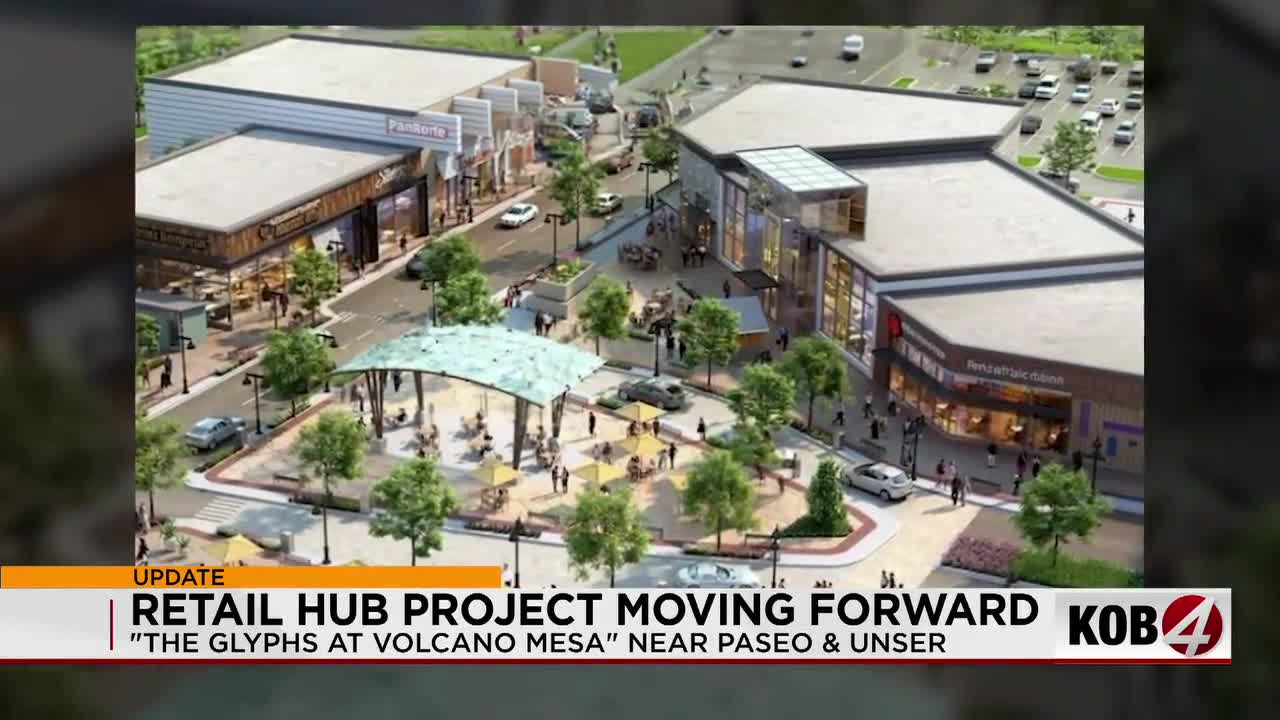
POLICY WIRE — Albuquerque, U.S. — Nobody ever said carving new retail oases out of volcanic rock would be easy. But in New Mexico’s largest city, the saga of one particular development, the Glyphs at...

POLICY WIRE — Albuquerque, U.S. — Nobody ever said carving new retail oases out of volcanic rock would be easy. But in New Mexico’s largest city, the saga of one particular development, the Glyphs at Volcano Mesa, isn’t just about grading dirt. It’s a stubborn exercise in legislative endurance, a testament—or perhaps a cautionary tale—to how much abuse a project, and its lead developer, can truly absorb. You know, before they finally just throw in the towel. It seems they haven’t yet, despite what looks like a marathon of objections.
It’s not just delays; it’s a full-on bureaucratic skirmish, waged over years on Albuquerque’s sprawling West Side. Crews are now actually — and you might need a second look here — laying some groundwork near Paseo del Norte and Unser Boulevard. This isn’t a grand, ribbon-cutting ceremony. It’s just the raw, unspectacular truth that after an eternity of wrangling, some bulldozers are finally doing what they were designed to do.
Developers are talking about West Side residents really wanting new amenities. They’ve seen the housing boom, the cars clogging arterial roads, — and they know the market’s there. Angela Piarowski, CEO of Modulus Architects and Land Use Planning, sounds less like a high-powered executive and more like someone who’s been through the mill, observing that [QUOTE_PLACEHOLDER]. No kidding. But Piarowski, still, manages a spark of defiance. She remarked, verbatim, that Many developers would have given up and walked away from this site long ago
and highlighted the systemic issue: The West Side has been historically underserved market for retail.
She’s not wrong, you can see it if you look closely.
But can we blame folks for getting tired of hearing promises? Especially when those promises seem to melt away like New Mexico’s desert snow. The Glyphs, conceived as an eight-acre mixed-use development, initially promised the whole kit and caboodle: shops, daycare, medical offices. Then, a cornerstone tenant bailed. Piarowski recounts it, explaining, We had a boutique grocery store going there. We were very excited. They were going to be the anchor to get us started. They’ve since fallen out of the project just due to the many delays
. A boutique grocery store — gone. That stings for a community supposedly clamoring for services.
This project’s journey is also a lesson in the democratic friction of urban planning. Neighborhood associations, notably the Westside Coalition, haven’t been shy, challenging the zoning approval in 2024. And then they were promptly dismissed by city councilors the next year, in 2025. You’d think that’d be the end of it. It wasn’t. New legal challenges emerged, reportedly centered on an adjacent housing project. It’s an endless loop, isn’t it?
And then there’s the broader issue, the economic calculus of such protracted struggles. You see this play out in places far from the arid landscape of New Mexico—think of the large-scale infrastructure projects stalled for decades across South Asia. In Pakistan, for example, complex land ownership disputes and a shifting political landscape can frequently hobble essential projects, be it new transport arteries or vital power plants, creating a ripple effect of uncertainty that scares off even the most intrepid investors. The hurdles here are just less… monumental. Less geopolitically charged, but they sure feel colossal to the folks directly involved.
These legal contests have a chilling effect. As Piarowski notes, it’s proving a little bit challenging to get tenants to commit
. Nobody wants to be the last one left holding the bag. Yet, she maintains a front of unwavering conviction, saying, I do feel very confident and strongly that it’s gonna move forward. Hopefully by this time next year, you’re gonna be seeing some vertical construction
. Optimism, it seems, is a requirement for survival in this business, a commodity developers apparently must hoard.
But when will “hopefully by this time next year” actually translate into bricks — and mortar? The answer, at least officially, remains a shrug emoji in human form: there’s no firm timeline for construction or completion. According to the Albuquerque Economic Development Department’s 2023 report, retail project approval timelines in the city average 36% longer than the national median, a stat that tells you everything you need to know about navigating the local labyrinth. The truth is, until those ground-moving crews build out the utilities and clear that volcanic rock, this whole retail hub could easily remain a vision, a persistent mirage on the horizon, for years to come. That doesn’t bode well for our local pocketbooks, nor, you could argue, for global stability when projects routinely grind to a halt because of too much red tape and too little coordinated vision. Perhaps the local government could learn from efforts to manage global stability amid super El Niño’s looming shadow, where decisiveness matters.
What This Means
This endless back-and-forth isn’t just an Albuquerque West Side problem; it’s a microcosm of the political economy of development in many cities across the U.S., and indeed, globally. It illustrates the often-agonizing tension between community desire for controlled growth and the raw commercial imperative to expand and deliver services. On one hand, neighborhood associations flexing their legal muscle represents a fundamental, even beautiful, aspect of local governance—residents actively shaping their environment. And they’re right to challenge opaque processes; that’s what democracy is about.
But then, there’s the economic cost. The constant legal skirmishes erode investor confidence. It creates this air of paralysis. This isn’t good for local businesses trying to open up, for folks looking for jobs, or for a city trying to expand its tax base. Politicians, especially those on the city council who greenlight projects only to see them continually challenged, face a nasty bind: they alienate either the developers and potential job creators, or the organized, vocal segments of their electorate. There’s a delicate balance here, — and when it tips too far towards endless litigation, nobody wins. Albuquerque could certainly do with a clearer, more predictable development framework. Otherwise, it just adds to an already lengthy list of urban development anxieties across the developing world, a symptom of broader governance headaches.