


Albuquerque’s Sidewalk Skirmish: Is Poverty the New Crime?
POLICY WIRE — Albuquerque, N.M. — It’s a classic urban dilemma, played out in city councils from Seattle to Dhaka: how do you manage public space without managing people right out of existence? Here...

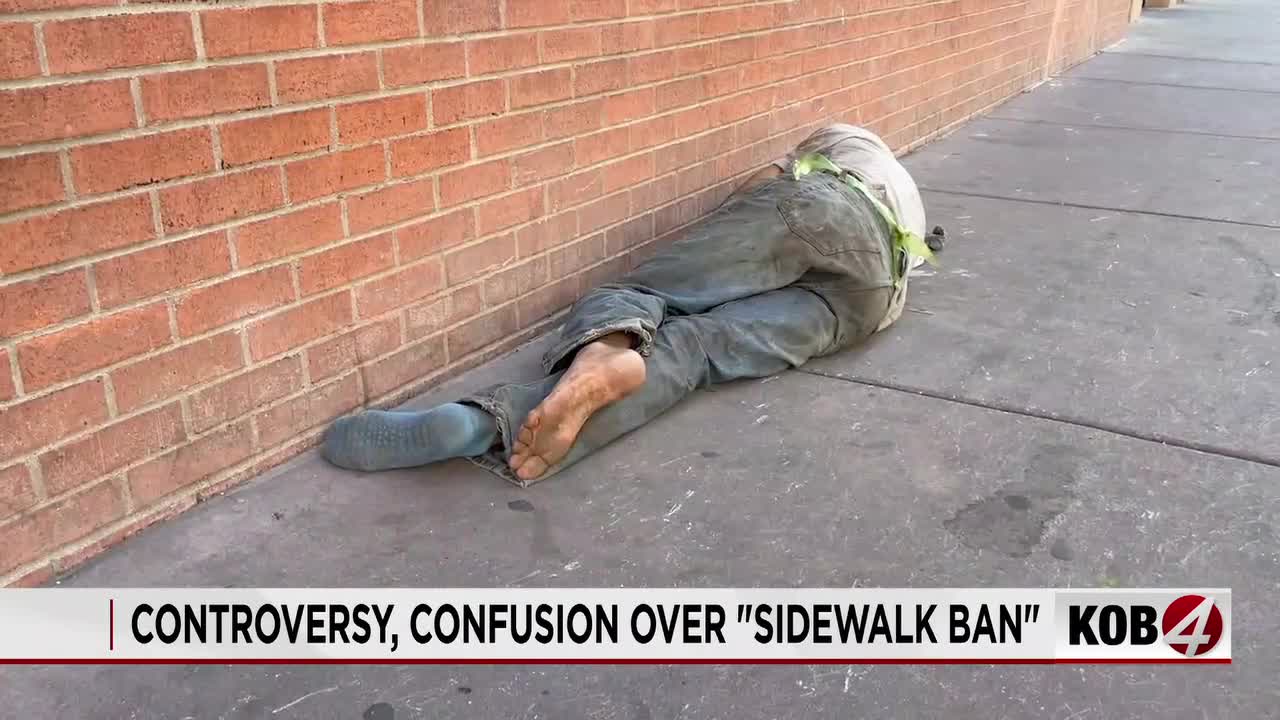
POLICY WIRE — Albuquerque, N.M. — It’s a classic urban dilemma, played out in city councils from Seattle to Dhaka: how do you manage public space without managing people right out of existence? Here in Albuquerque, that perennial friction point just got hotter. The city council recently passed a seemingly innocuous ordinance, O-26-14, which its sponsors tout as a public safety measure. But peel back the bureaucratic jargon, — and what you’ve got is a powder keg. Folks are calling it a ‘sidewalk ban,’ — and they aren’t wrong. They’re convinced it’s another attempt to criminalize poverty, effectively pushing the city’s most vulnerable population even further into the margins.
It isn’t a blanket ban, not exactly. The official line from District 2 Councilor Joaquín Baca, the ordinance’s architect, sounds almost reasonable. “This is saying the mayor is allowed to designate areas of the city that he deems require extra support to make them safer,” Baca explained. The idea? Create ‘Enhanced Service and Safety Zones’ where cops, city sanitation crews, or the city’s Community Safety officers could patrol more often. In these designated zones, it would become illegal to sit, sleep, or lie on sidewalks, roads, bike paths, or alleys if you’re blocking the way. Simple. Clean. Effective—if you believe that moving a problem out of sight solves it.
But the fine print, the unstated implication, has already ignited a firestorm. Over 700 residents signed a petition urging Mayor Tim Keller to veto the measure. Why? Because when you make it illegal to occupy a public space, and your city has a visible unhoused population, it doesn’t take a genius to figure out who’s really being targeted. “Every time the city wants to clean up, it becomes cleaning up humans,” lamented David Ellis, an unhoused resident, whose candid observation cuts straight to the bone of the argument. He feels, quite justifiably, targeted.
Baca, however, is steadfast. He frames the ordinance as a multifaceted solution, claiming it tackles everything from juvenile crime to food deserts and healthcare access issues. “A lot of folks were just completely ignoring all the other safety aspects, like…all the shootings that have been taking place,” he mused, painting a broader canvas than simply homelessness. He suggests it’s not just about shooing folks away; it’s about giving law enforcement “a tool to say, ‘You know what? You don’t have to go home, and we can get you right—we can get you help.’” The veiled threat—the ‘or else’—hangs heavy in that particular offer. If you don’t accept their ‘help,’ whatever form it takes, then there will be consequences. You’re warned. Fined. Maybe even jailed. Just like that.
For advocacy groups like NM Stronger Together Coalition, this isn’t just misguided; it’s detrimental. “It doubles down on the same strategies that we have been investing in that don’t work,” fumed Alex Uballez, a spokesperson for the coalition. And that’s a tough argument to counter, given that similar crackdowns in other U.S. cities haven’t exactly cured homelessness. They’ve often just moved it around, or made people even harder to reach for actual social services. The Department of Housing and Urban Development reported in 2023 that over 653,000 people were experiencing homelessness across the U.S., a grim figure that swelled by 12% from the previous year. You don’t solve that with a sidewalk ordinance, do you?
Because these measures, critics argue, aren’t about true solutions. They’re about aesthetics. They’re about shuffling inconvenient realities out of the sightlines of tourists — and commuters. In parts of South Asia, you see cities wrestling with their own rapidly expanding urban poor, often resorting to aggressive informal market clearings or forced relocations that simply exacerbate destitution without ever touching the roots of the problem. Albuquerque isn’t Mumbai, but the spirit of displacement isn’t that far off.
What This Means
The Albuquerque sidewalk ordinance is more than a local kerfuffle; it’s a microcosm of a larger, systemic policy failure to address burgeoning urban inequality. Politically, Mayor Keller is caught between a council that passed this measure with a “veto-proof” majority and a vocal opposition demanding humanitarian considerations. His office claims his hands are tied, a claim Uballez dismisses as an “oversimplification.” And he’s right—a mayor always has options, even if they’re politically painful. Economically, such ordinances often drive up the costs of policing and incarceration, funneling public money into reactive measures rather than proactive investments in housing, mental health, or addiction services. It’s a zero-sum game, truly, where the city spends more to appear ‘cleaner’ but ends up with no fewer homeless individuals; they’ve just been pushed elsewhere, perhaps to even more dangerous, less visible spots. Ultimately, it strains community trust and deepens divides between those with homes and those without, offering only punitive silence where dialogue and tangible aid are desperately needed.