


Wimbledon’s Unlikely Diplomacy: Teenage Cricket Star Navigates Global Stages, Mentorship’s Soft Power Play
POLICY WIRE — London, UK — The hallowed, emerald greens of Wimbledon, usually a bastion of stiff-upper-lip tradition and pristine white uniforms, played host to a different kind of spectacle last...

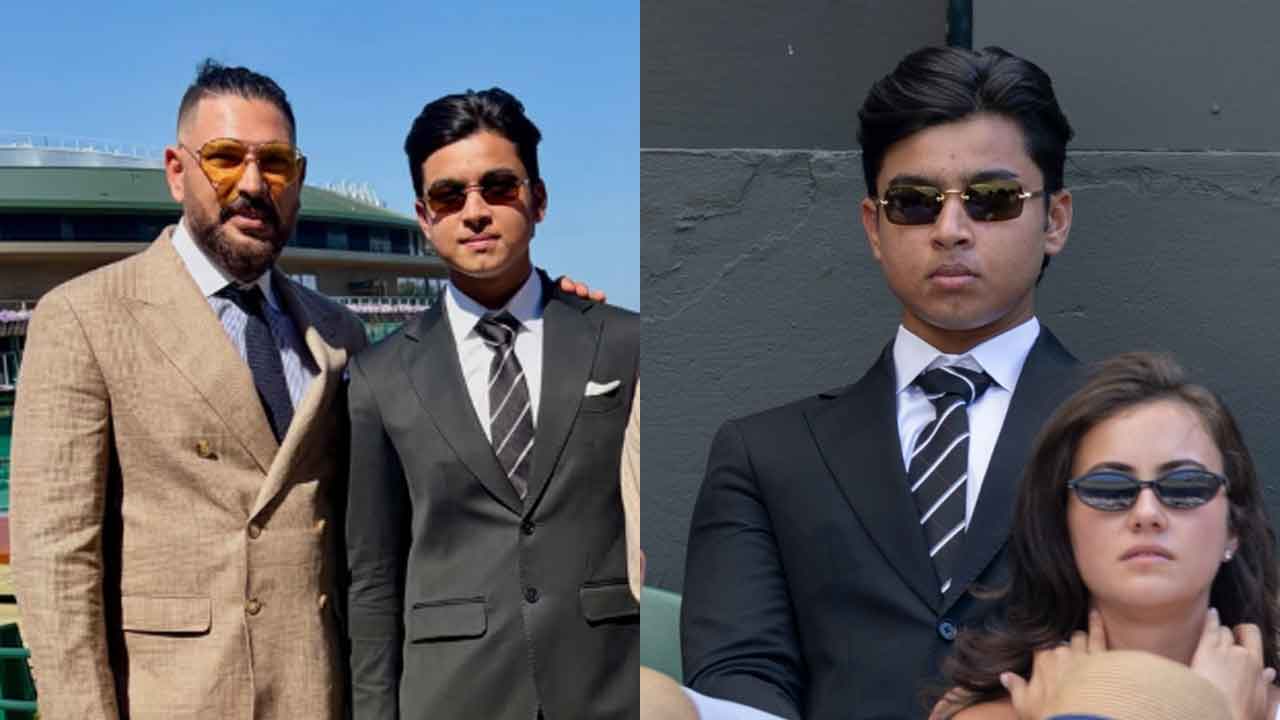
POLICY WIRE — London, UK — The hallowed, emerald greens of Wimbledon, usually a bastion of stiff-upper-lip tradition and pristine white uniforms, played host to a different kind of spectacle last Sunday. It wasn’t just the roar of the crowd witnessing Jannik Sinner clinch his second consecutive title; it was the quiet diplomacy of appearances, a subtle nudge on the world stage from an unexpected quarter. India’s burgeoning cricket phenom, Vaibhav Sooryavanshi, 18 years old and still more comfortable with a bat than a racqueti—at least publicly—found himself courtside at the Men’s Singles final, transforming the event into an unlikely canvas for soft power.
It wasn’t Sooryavanshi’s sporting prowess that drew eyes to him that day, but his sartorial presence. Decked out in a crisp black blazer, a sharp white shirt, and a tie striped with a certain corporate sheen, he was less an athlete on holiday and more an envoy of emerging cultural influence. His sunglasses, likely prescription for maximum cool, only added to the mystique. And yet, this isn’t just about a teenager watching tennis. It’s about optics, brand synergy, and the quiet assertion of South Asian cultural capital on global platforms where, historically, its visibility has often been incidental.
“He’s an idol, isn’t he? Meeting him for the very first time was just… it felt really special,” Sooryavanshi reportedly told Star Sports, referring to cricket legend Yuvraj Singh, who flanked him at the event. “We talked a lot, — and he made me understand so many things. I’m learning so much from him right now, and I believe it’ll help me a lot in the future, too.” Such pronouncements, brimming with earnest admiration, highlight a mentorship pipeline crucial not just for individual athletic careers, but for a region increasingly asserting itself beyond its traditional cultural exports. And this narrative of passing the torch—especially with global eyes fixed on the spectacle—doesn’t happen by accident.
Because the image of an Indian cricketing prodigy, under the tutelage of an elder statesman of the sport, sitting VIP at Wimbledon, subtly sends a message. It isn’t just about cricket or tennis. It’s about globalized celebrity, shared aspirations across national boundaries, and the evolving dynamics of a youth-driven cultural exchange that often precedes formal diplomatic initiatives. India’s soft power in the broader South Asian and Muslim world isn’t merely political; it’s cultural, economic, and increasingly, athletic. Look at the shared passion for cricket stretching from Lahore to Dhaka—Yuvraj Singh isn’t just an Indian hero; he’s a subcontinental icon whose influence can’t be neatly compartmentalized by borders. Wimbledon, often perceived as an Anglo-centric institution, is becoming another stage for this broader regional narrative.
Abhishek Sharma, another promising Indian cricketer present, echoed Sooryavanshi’s sentiments, recalling his own early encounters with Yuvraj Singh. “I can feel what he’s feeling right now, you know? Yuvi was my idol, too. When I first met him, it was the exact same rush he’s getting. And, yeah, first time at Wimbledon, watching the final with Yuvi paaji? Pretty special,” Sharma observed. This shared narrative underscores the deeply ingrained culture of reverence and guidance within South Asian sporting ecosystems, a powerful, self-perpetuating system that cultivates loyalty and inspires millions.
But let’s be frank: such high-profile appearances rarely come unplanned. Vaibhav even joked that Abhishek had hastily arranged his ensemble, saying, “I didn’t plan anything; whatever I could find at the last minute, I asked Abhishek, and he got it arranged for me. Just threw it on.” It’s a wonderfully casual quote, designed to enhance approachability, but you don’t end up on Centre Court, looking impeccably styled next to a legend, without a few hands guiding the ship. This isn’t just a sports outing; it’s an orchestrated moment of visibility for brand ‘Indian Cricket’ and, by extension, brand ‘India.’
“These engagements, whether on the playing field or in the VIP boxes of global events, are more than mere photo opportunities; they’re strategic investments in our nation’s soft power,” stated Ms. Kavita Menon, spokesperson for the Indian Ministry of Youth Affairs — and Sports, in a prepared statement. “Young athletes like Vaibhav represent the aspirational face of India. Their presence at such prestigious international forums subtly reinforces our cultural footprint and inspires countless others, not just domestically, but across our extended regional sphere.” Her remarks reflect a clear, strategic understanding of these seemingly benign sports interactions.
Meanwhile, Mr. Adil Khan, a prominent sports business analyst specializing in emerging markets, put it more bluntly: “This isn’t just about showing up. It’s about positioning. India’s sports sponsorship market alone expanded by 19% in 2022, hitting an estimated $1.55 billion, according to GroupM ESP’s annual report. Every high-profile appearance, every brand association, feeds that commercial engine. You’re building global superstars, sure, but you’re also laying groundwork for substantial economic influence, not least of which is inspiring cross-border brand appeal within the wider South Asian diaspora.”
What This Means
This episode isn’t just sports news; it’s a geopolitical tremor, however small. The image of India’s cricket youth, impeccably dressed and mentored, on a European grand stage, carries significant weight for Policy Wire’s readership. Firstly, it spotlights India’s calculated use of sports diplomacy—an often overlooked but potent element of statecraft. By showcasing its brightest talents in high-glamour settings, New Delhi effectively leverages its burgeoning sporting sector to enhance its international image and foster cultural connections, particularly within the cricket-devouring nations of South Asia and the Muslim world, where such icons are broadly celebrated. Secondly, there’s an undeniable economic current here. These appearances generate buzz, fuel endorsement deals, and contribute to India’s burgeoning sports economy, an ecosystem worth billions. For companies — and nations alike, association with these aspirational figures offers significant branding opportunities. This isn’t merely about personal fame; it’s about exporting a vision of modern, successful India. The meticulously crafted ‘casualness’ of Vaibhav’s Wimbledon attire, ostensibly a last-minute affair, belies the strategic depth of his presence. It’s about demonstrating cultural fluidity—being equally at home in a cricket stadium in Delhi or a tennis court in London. And that, frankly, is an incredibly powerful signal, especially to an international audience seeking allies and markets.
In the grand tapestry of international relations, sometimes the most impactful statements aren’t delivered by diplomats in Geneva but by impeccably dressed athletes in Centre Court’s VIP section. And that’s something worth paying attention to.