


Albuquerque’s Nomadic Nosh: How a Food Park’s Relocation Signals Deeper Urban Shifts
POLICY WIRE — Albuquerque, N.M. — In a city where sun-drenched mesas meet metropolitan sprawl, not every landscape change is marked by concrete canyons rising or saguaros giving way to strip malls....

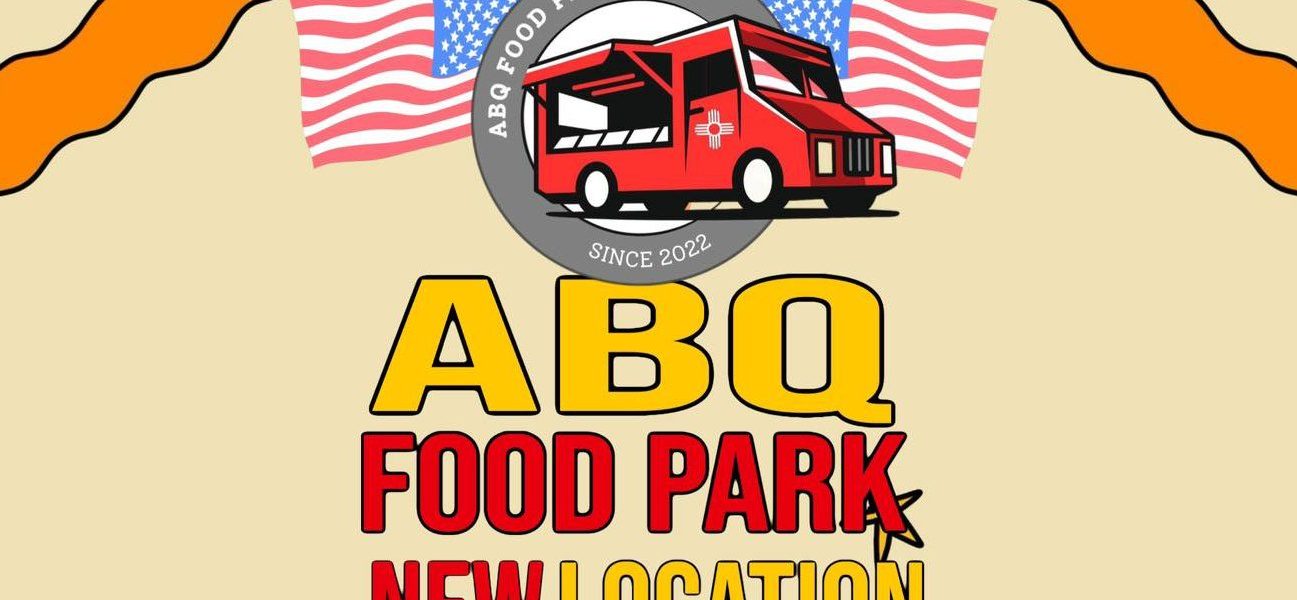
POLICY WIRE — Albuquerque, N.M. — In a city where sun-drenched mesas meet metropolitan sprawl, not every landscape change is marked by concrete canyons rising or saguaros giving way to strip malls. Sometimes, it’s just a matter of where you can grab a decent, mobile taco. And Albuquerque, with its peculiar blend of transient grit and steadfast tradition, is once again adjusting its internal compass as the venerable ABQ Food Park uproots itself.
It’s not a tale of dramatic collapse or grand expansion, but rather a quiet repositioning—a subtle economic flutter within the urban ecosystem. The food park, known for its rotating roster of culinary curiosities and Friday night vibes, has packed its metaphorical bags. Its former stomping grounds, near San Antonio Drive — and Louisiana Boulevard, are soon to be a memory. But here’s the kicker: its new digs? Right there, next to the infamous Mister Car Wash. Yes, that one. The Breaking Bad haunt. You know the spot.
Because that’s where the party’s relocating this month, bringing its mélange of aromas and chatter to Eubank and Menaul Boulevards. It’s more than just a street corner switch; it’s a narrative about economic agility in an evolving urban landscape. “This isn’t just about square footage,” observed Councilwoman Lena Martinez, her voice carrying a note of seasoned pragmatism. “It’s about access, about neighborhood revitalization, about keeping these small businesses afloat in a city that’s always reinventing itself. And frankly, people need a place to eat outside.”
Her sentiment isn’t unfounded. Food trucks, once an urban oddity, are now a recognized, —even beloved—, economic engine. They’ve proven particularly resilient. A 2023 report from IBISWorld notes that the food truck industry in the United States generates approximately $2.6 billion annually, demonstrating robust growth despite economic headwinds. Think about that for a second. Billions. And New Mexico’s trying to get a slice.
The team behind the ABQ Food Park touts the new location’s expansive nature. More space means more trucks, naturally. But it also means more events, more parking. It’s an upgrade. And in the often-precarious world of food service, particularly the mobile variety, “more” often means “survivability.” They’re launching with a proper bash this Saturday—live music, local vendors, a full contingent of food trucks ready to sling everything from gourmet sliders to authentic New Mexican staples. You get it: it’s a big deal for a lot of little businesses.
But the micro-narrative of a moving food park in Albuquerque resonates with broader, global patterns of informal economies and cultural exchange. You see it from Lahore to London—street food as both a cultural anchor and a testament to entrepreneurial spirit. Consider the dynamic street food scene in Karachi, Pakistan, where mobile vendors and food stalls aren’t just selling sustenance; they’re cultivating community hubs, fostering micro-economies that sustain countless families. The culinary cross-pollination between East and West is happening everywhere, even—perhaps especially—at a food park next to a famous car wash in the American Southwest.
“We’ve got a long tradition of blending cultures here, especially in our cuisine,” stated Dr. Amir Javid, an associate professor of Middle Eastern Studies at the University of New Mexico, who’s also a frequent patron of the city’s various ethnic eateries. He’s always struck by the innovation. “You might find a chile Relleno food truck right next to a place serving Afghan dumplings or even a Pakistani karahi. This movement, this constant seeking of better ground, it’s all part of that cultural churn, that ongoing fusion. It’s what makes Albuquerque interesting, isn’t it?” His eyebrow arched. Indeed, it’s.
📄 POLICY WIRE WHITEPAPER PUBLISHED: PAKISTAN'S NATIONAL SECURITY POLICY PRIORITIES
👉 READ BY CLICKING HEREThey’re not just relocating a collection of metal boxes on wheels; they’re migrating a node in the city’s social network. It’s a pragmatic scramble for better operational real estate. This might not be headline news for D.C. powerbrokers, but it’s real-world economic policy unfolding on asphalt. Small-batch commerce. Entrepreneurial hustle. It’s what greases the wheels of local economies everywhere—from Albuquerque to Ahmedabad.
What This Means
The ABQ Food Park’s shift might seem like small potatoes, but it subtly mirrors a national trend in urban development and small business adaptation. On one hand, it highlights the increasing formalization of once-informal economies; these aren’t just rogue carts anymore—they’re organized ventures needing permanent, infrastructure-supported homes. The move from one lot to a larger, likely more amenable space reflects a growing demand for outdoor, communal dining experiences post-pandemic, cementing food parks as fixtures, not fads.
Economically, it underscores the fragility — and resilience of the small business sector. The necessity to relocate, whether due to lease expiry or growth, imposes significant costs but also offers opportunities for scalability. Politically, local councils and economic development departments are increasingly recognizing these hubs as valuable contributors to tax revenue and employment, influencing zoning and permit processes to accommodate them. But it’s also about public space. About where people go, where they spend their spare time, — and frankly, their hard-earned cash.
And because these food parks often serve as melting pots for diverse culinary traditions, their existence—and indeed, their strategic placement—can foster deeper community ties and cross-cultural understanding, quite literally one bite at a time. It ties into broader global conversations about how informal sector economies contribute to a nation’s GDP and cultural identity. From Karachi’s bustling street food markets to the nascent food truck scenes in migrant communities facing financial uncertainties in the Gulf, these establishments are more than just eateries; they’re economic and social anchors. This relocation isn’t merely a logistical detail; it’s a barometer of urban change and local policy responsiveness, indicating a growing awareness among city planners that the heart of a community often beats loudest where good food and good company converge. For better or worse, the street food revolution isn’t slowing down. You see it everywhere. But here, right next to that infamous car wash, it’s particularly… Albuquerque.