


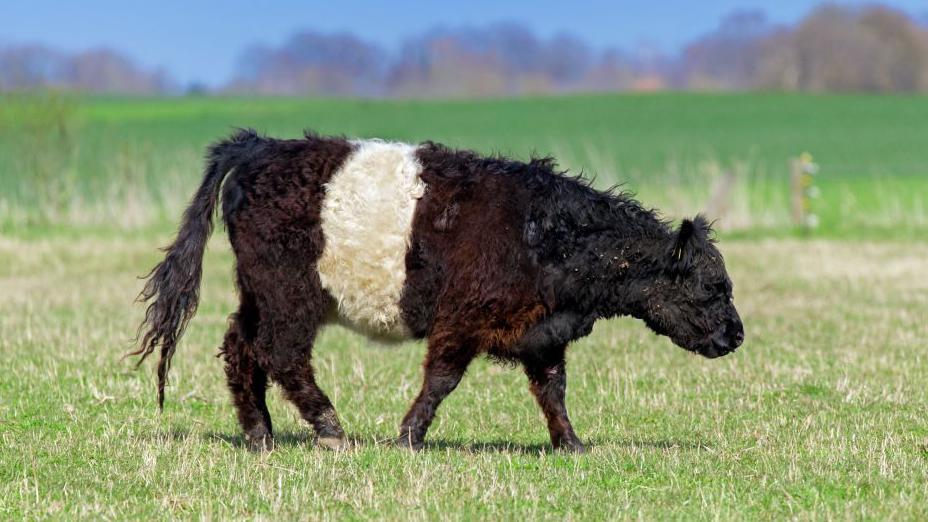
Agribusiness Grim Reckoning: Herd Extermination Signals Systemic Cracks in Regulatory Oversight
POLICY WIRE — Undisclosed Location — A silence has fallen over one agricultural enterprise, not because of a change in season or a market shift, but by a decision more absolute: the termination of...

POLICY WIRE — Undisclosed Location — A silence has fallen over one agricultural enterprise, not because of a change in season or a market shift, but by a decision more absolute: the termination of 271 bovine lives. This wasn’t some spontaneous act of despair—no, this grim tally comes courtesy of the cold calculus of regulatory compliance, after an inspection reportedly found [QUOTE_PLACEHOLDER] at a commercial facility. It’s a stark, almost clinical example of how quickly an unseen, technical infraction can metastasize into an economic catastrophe for those on the front lines of food production. But it’s also a pointed whisper about the inherent fragility within our food supply chains, the kind of event that policymakers often hope remains an isolated anecdote.
It’s not just the sight of empty corrals that’s chilling; it’s the underlying bureaucracy, the meticulous records, the audit trails, the very infrastructure meant to prevent such drastic measures, which evidently failed—or perhaps, simply did its job too late. One minute, you’re raising livestock. The next, your herd is deemed an economic liability, not because of disease or market collapse, but a slip-up in adherence to a standard that someone, somewhere, wrote into law. This episode casts a long shadow, reminding us that even the most robust systems are only as strong as their weakest link—or, as the case may be, their most unforgiving interpretation.
And consider the sheer scale of the operation—271 head of cattle aren’t just a few beasts; that’s a significant portion, potentially all, of a smaller or medium-sized herd. It’s revenue gone. It’s years of breeding programs wiped out. It’s the immediate cost of the culling, followed by the deep, biting question of rebuilding, if rebuilding is even an option after such a reputational and financial blow. These aren’t abstract figures in a spreadsheet; they’re sentient beings, certainly, but more importantly from an agribusiness perspective, they’re investments, future profit, and the daily bread for the folks working that farm. The decision, though painful, underscores a very rational, albeit brutal, economic imperative once the regulatory hammer drops.
But the ramifications don’t stop at the farm gate. Stories like this—isolated incidents, as they’re always portrayed—ripple through investor confidence, market sentiment, and consumer trust. What happens here could easily echo across continents, especially in places where agricultural standards are constantly scrutinized. In South Asia, for instance, particularly in Pakistan, where livestock farming forms a cornerstone of the rural economy and is often critical for small landholders, such a draconian outcome due to a perceived regulatory slip would be devastating. It wouldn’t just be an economic setback; it could spark public outcry and deepen suspicions about external oversight or even bureaucratic overreach. Many communities depend on these animals for their very survival, making the implications of such widespread slaughter deeply troubling for those monitoring food security globally.
The incident reminds us, too, of the increasingly intricate web of regulations governing food production, a labyrinth designed to protect public health and ensure product integrity. These aren’t frivolous rules. They’re often borne of past crises, outbreaks, or widespread market failures. However, their enforcement—and the penalty for their breach—can feel disproportionately heavy-handed when applied to individual operators struggling with tight margins and often unyielding market demands. The farm decides to slaughter 271 cattle after inspection found rule breach. This sequence, stripped bare, reveals the power asymmetry inherent in the system.
Sometimes you’ve gotta wonder if there’s any flexibility in the system—any grace period, a remedial plan, anything short of wholesale destruction. They say prevention is better than cure, but for this operation, the cure proved fatal. According to the Food and Agriculture Organization of the United Nations (FAO), global livestock losses due to animal diseases alone can reach 20% of total production annually, before even factoring in regulatory culls, indicating the immense pressure on these agricultural systems. This particular instance adds another layer to that already challenging landscape.
What This Means
This incident, seemingly localized — and contained, carries potent political and economic implications. For starters, it’s a harsh reminder that bureaucratic oversight, while necessary, can sometimes feel like a blunt instrument. When an agency determines a [QUOTE_PLACEHOLDER] the consequence can be immediate and catastrophic, sidelining nuanced considerations of intent, context, or proportionality. This can alienate agricultural producers, who often view regulators as adversaries rather than partners, making future compliance initiatives even tougher.
Economically, the immediate loss for the farm is palpable—lost income, asset destruction, and the sheer cost of carcass disposal. But there’s a ripple effect, too. Other farms might see this as a warning, prompting costly, defensive over-compliance or, conversely, breeding resentment against stringent regulations that are perceived as unrealistic or overbearing. for consumers, this event — opaque as it’s — fuels a latent anxiety about the safety and integrity of their food. It subtly reinforces the notion that somewhere, things could be going wrong, even with inspections. And if consumer confidence takes a hit, the broader food sector suffers, potentially leading to increased import costs or tighter scrutiny from trade partners who are themselves navigating a complex global trade landscape.
In regions like the Muslim world, where food standards often include religiously mandated practices like Halal, the implications extend beyond mere economics. Any perceived failure in agricultural regulation, especially involving livestock, can trigger cultural and religious sensitivities, impacting trade relationships and public trust in the wider food system. It also raises questions about agricultural resilience and the future of independent farming operations in an era of escalating regulatory complexity. Because ultimately, who picks up the pieces when the rule book leads to ruin?