


Golden Cages: Elite Safaris Spark Debate on Africa’s Prosperity and Predator Problem
POLICY WIRE — Nairobi, Kenya — It wasn’t the roar of a lion that made headlines in Geneva, but the clinking of champagne flutes—and the quiet hum of private jets descending into newly paved...

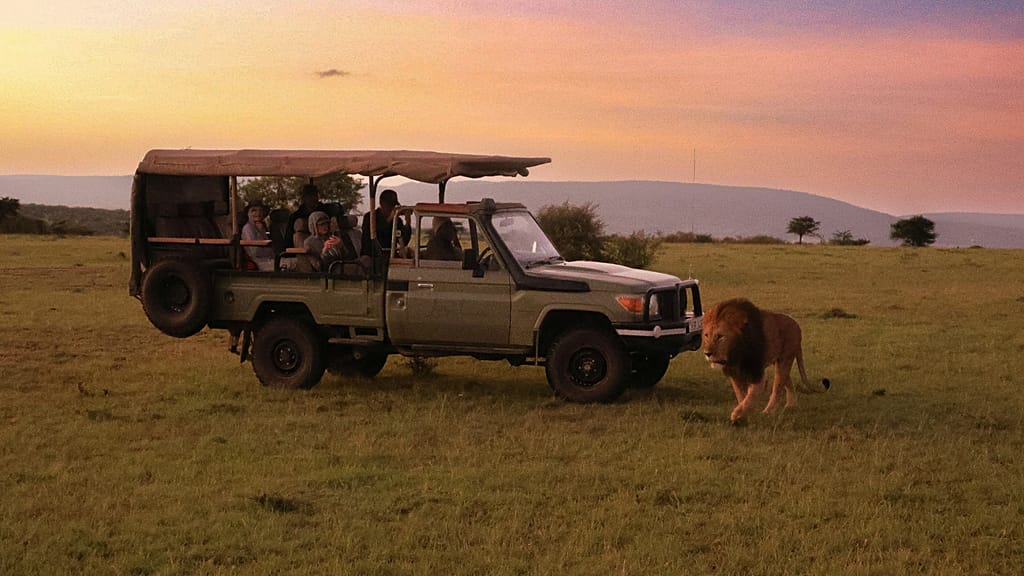
POLICY WIRE — Nairobi, Kenya — It wasn’t the roar of a lion that made headlines in Geneva, but the clinking of champagne flutes—and the quiet hum of private jets descending into newly paved airstrips across Africa. While aid organizations fret over water scarcity in the Sahel, a different kind of scarcity is being commodified: pure, unadulterated wilderness, served up with personalized butler service and thread counts only billionaires typically experience. It’s Africa’s luxury safari sector, mind you, and it’s experiencing an almost vulgar boom, attracting investment—and scrutiny—like never before.
These aren’t your grandpa’s tented camps, no sir. We’re talking about glass-fronted lodges with private plunge pools, artisanal gin bars in the middle of nowhere, and gourmet chefs flown in from Paris. The brochures whisper of ‘redefining luxury,’ but critics — and there are plenty of ’em — snarl about redefining exploitation. You can’t help but wonder: who exactly is this luxury for? And at what cost are these gilded bubbles sustained?
The money talks, loud and clear. Consider the market projection: the global safari tourism market, Africa making up its largest slice, is expected to balloon from an estimated $12.7 billion in 2023 to over $21 billion by 2030, according to Statista data. That’s some serious cash being thrown at wild animals and pristine landscapes, or, more accurately, at the exclusivity of witnessing them.
But the glittering veneer often obscures a messy reality. Because these operations, while professing ecological sanctity, often necessitate enormous land tracts—and that means deals. Land deals, concessions, partnerships. Sometimes with governments, sometimes with local communities, always with foreign capital eyeing handsome returns. It’s a game of high stakes where local communities frequently find themselves outmaneuvered, their traditional lands becoming exclusive playgrounds for the global elite.
And let’s not pretend it’s all roses — and rhino conservation. Dr. Anya Nkosi, a sharp-eyed policy advisor at Kenya’s Ministry of Tourism, didn’t pull any punches in a recent Nairobi press briefing. “We hear the criticisms, believe me. But we aren’t just selling safaris here, we’re selling stability. We’re selling a future where our wildlife can actually survive,” she declared, her voice firm. “These projects create jobs, infrastructure, — and they’re paying real money into conservation coffers. It’s not a silver bullet, but it’s working better than poverty-driven poaching, isn’t it?”
But then you get the counterpoint, like from Dr. Omar Hassan, a noted environmental ethicist at a research institute in Islamabad. He’s spent years studying the complex interplay of resource extraction, tourism, and indigenous rights from the Asian context, drawing uncomfortable parallels. “The rhetoric of ‘conservation through luxury’ is quite seductive, sure. But how often does it actually empower local people, not just employ them in menial roles?” he mused during a recent video conference. “What happens when the market dips? When the high-net-worth individuals find a new thrill? This is an external solution to an internal problem—a pattern many of us in the Global South have witnessed for far too long.” Hassan’s observations carry weight, resonating in regions where large-scale foreign investment has often left a mixed legacy.
And so, Africa’s majestic savannas morph into a geopolitical chessboard. Wealthy investors from Dubai to Dallas, London to Lahore—yes, South Asian capital is increasingly keen on these ventures—are sinking fortunes into what they see as sustainable, exclusive tourism. They’re betting on the scarcity of wild places, banking on the enduring appeal of what can only be described as a curated experience of nature. But this economic push often creates stark, undeniable divides. Locals see prices for basic goods climb as expatriate staff demand higher living standards, creating islands of extreme wealth amidst seas of entrenched poverty. The local butcher can’t afford to step foot in these places. Nor can his family.
What This Means
This escalating trend of ultra-luxury safaris isn’t just about lavish holidays; it’s a potent microcosm of global economic disparities and the tangled ethics of development. Politically, governments are caught between the urgent need for foreign currency and job creation—especially in nations battling high youth unemployment—and the growing calls for equitable land use and genuine local empowerment. There’s a delicate balancing act to maintain, one that can easily tip towards accusations of neo-colonialism if benefits aren’t seen to spread beyond a select few. Economically, while these lodges certainly inject cash into local economies, the leakage effect—where much of the revenue repatriates to foreign investors or is spent on imported goods and services—remains a concern. It prevents a truly transformative, self-sustaining growth model from taking root. the very success of these exclusive havens risks pricing out a more diverse, and potentially more sustainable, mid-range tourism market. The environmental impact, too, is a constant tightrope walk: conservation needs money, that’s undeniable. But does extreme exclusivity cultivate true environmental stewardship, or merely protect a spectacle for those who can afford the exorbitant price of admission? These questions don’t have easy answers, but ignoring them, it’s fair to say, is no longer an option.
The conversation isn’t confined to Africa either. Many Muslim-majority countries, particularly those in South Asia like Pakistan, grapple with their own internal resource management, conservation efforts, and the influx of foreign capital with its own set of demands. They’re observing these African dynamics, learning, adapting, and sometimes even participating—because global wealth finds its pathways, regardless of borders. The lure of pristine environments, whether it’s for exotic wildlife or unique cultural experiences, means these challenges resonate far beyond any single continent, becoming an intricate part of global resource allocation and the geopolitics of wealth itself. It’s a complicated picture, rife with contradictions.