

After the Fire, the Deluge: New Mexico Burn Scars Brace for Flash Flooding
POLICY WIRE — Ruidoso, N.M. — The land here doesn’t get a break. Not really. Just weeks after wildfires carved deep scars across the Lincoln County landscape, charring everything to a crisp,...

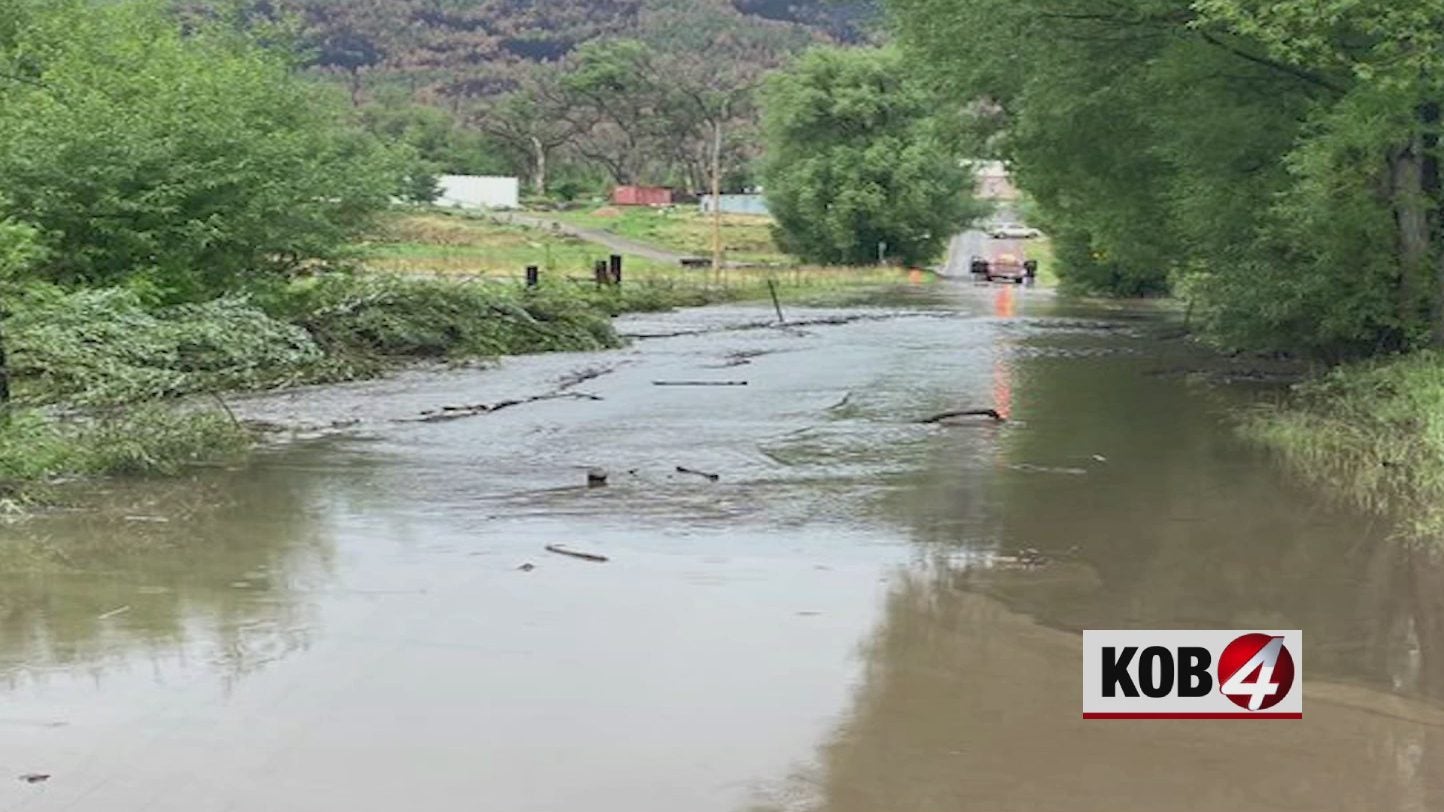
POLICY WIRE — Ruidoso, N.M. — The land here doesn’t get a break. Not really. Just weeks after wildfires carved deep scars across the Lincoln County landscape, charring everything to a crisp, the heavens have opened up. Now, what’s left is less about recovery — and more about another fight: against a sudden, violent deluge. The ghost of yesterday’s inferno is today’s muddy, churning monster.
It’s a brutal feedback loop, ain’t it? Dry as a bone, then ablaze, then suddenly waterlogged, primed for disaster. The South Fork and Salt burn scars near Ruidoso—areas stripped bare by flames—have become funnels for nature’s latest tantrum. They can’t absorb water anymore. That topsoil? Gone. The roots? Vaporized. So when rain hits, it’s just raw earth getting carved away, taking everything with it.
And hits it has. The National Weather Service in Albuquerque didn’t pull any punches, slapping a flash flood warning on the whole damn thing. It came down at 11:17 a.m., warning of a truly rotten scenario: possible life-threatening flash flooding. These aren’t just puddles; this is a Wall of Water situation, the kind that rips houses from foundations. Meteorologists had eyes on doppler radar. It was screaming about thunderstorms producing heavy rain right over the Salt Burn Scar, with another ugly one building over the South Fork Burn Scar. This wasn’t some hypothetical threat. It was happening, or about to. That’s why the warning wasn’t until midnight, but until 2:15 p.m.—a tight, urgent window for folks to get their heads straight.
But let’s be real. What do you do when the ground itself turns hostile? The forecast suggested a fresh beating for communities like Ruidoso itself, Ruidoso Downs, Alto, Glencoe, and Hollywood. That’s a good chunk of local life, from race tracks to quiet mountain towns, all caught in Mother Nature’s cruel joke.
They’ve already clocked up to 0.9 inches of rainfall, according to the National Weather Service, with a potential for another three-quarters of an inch on top of that. Doesn’t sound like much on paper, does it? But when the ground can’t drink a drop, that 0.9 inches turns into a torrent. It’s like pouring a bucket onto a varnished floor; it’s all going somewhere fast. And the experts? They expected flash flooding to be “ongoing or expected to begin shortly.” Because when those burn scars get soaked, gravity just takes over, pulling everything downhill with it. Imagine what that means for people trying to salvage lives post-fire, now facing their world dissolving into mud and debris.
Because it’s not just water they’re worried about. Far from it. The warning was specific, brutally so. [QUOTE_PLACEHOLDER] So, it’s not just a river overflowing; it’s a moving landslide, a violent soup of what used to be a mountainside. This is an ecosystem in utter breakdown, — and human infrastructure? Well, it’s generally not built for this kind of one-two punch from the planet.
What This Means
This isn’t merely a localized weather incident; it’s a stark, painful reminder of climate change’s deepening imprint, particularly in regions already vulnerable to its capriciousness. Political will and economic resources, typically stretched thin, face immense pressure to adapt to these compounding disasters. Reconstruction efforts, both for fire — and flood, become exponentially more complex and expensive. There’s a debate brewing—or at least, it ought to be—about how much of the taxpayer’s dime we throw at rebuilding in places clearly designated as high-risk by Mother Nature herself. What’s the point of patching up a dike if the river’s just gonna burst somewhere else upstream next week?
This dynamic isn’t unique to the American Southwest. Look across the globe, at places like Pakistan, a nation often grappling with this very same double-whammy of climate-induced crises. Just last year, parts of Balochistan faced devastating floods after periods of extreme drought, mimicking New Mexico’s fire-to-flood pattern but on a staggering scale. The country, especially its rural areas dependent on rain-fed agriculture, routinely battles the very real economic and human costs of extended dry spells followed by sudden, destructive monsoons. The political implication? Governments, whether in Islamabad or Santa Fe, are forced to juggle immediate disaster response with long-term climate mitigation and adaptation strategies, all while facing constrained budgets and sometimes, public fatigue.
And because these disasters are becoming more frequent, more intense, it forces a different kind of public discourse. We’re moving beyond debates on whether climate change is real, into the messy, expensive questions of how to live with it, where to live, and who pays. There isn’t an easy answer, is there? Because communities built over generations don’t just pack up — and move. Not for some meteorological inconvenience. But when the ground beneath your feet can’t decide if it wants to be ash or mud, that conversation changes. It’s no longer hypothetical; it’s your backyard being swept away. This is the new normal, folks. We better get used to the whiplash.