


Afghan Leadership Vows Action Against Terrorists Using Its Soil for Cross-Border Attacks
The recent commitment by Afghanistan’s leadership to prevent its territory from being used for cross-border terrorist attacks marks a significant development in South Asian security dynamics. Afghan...

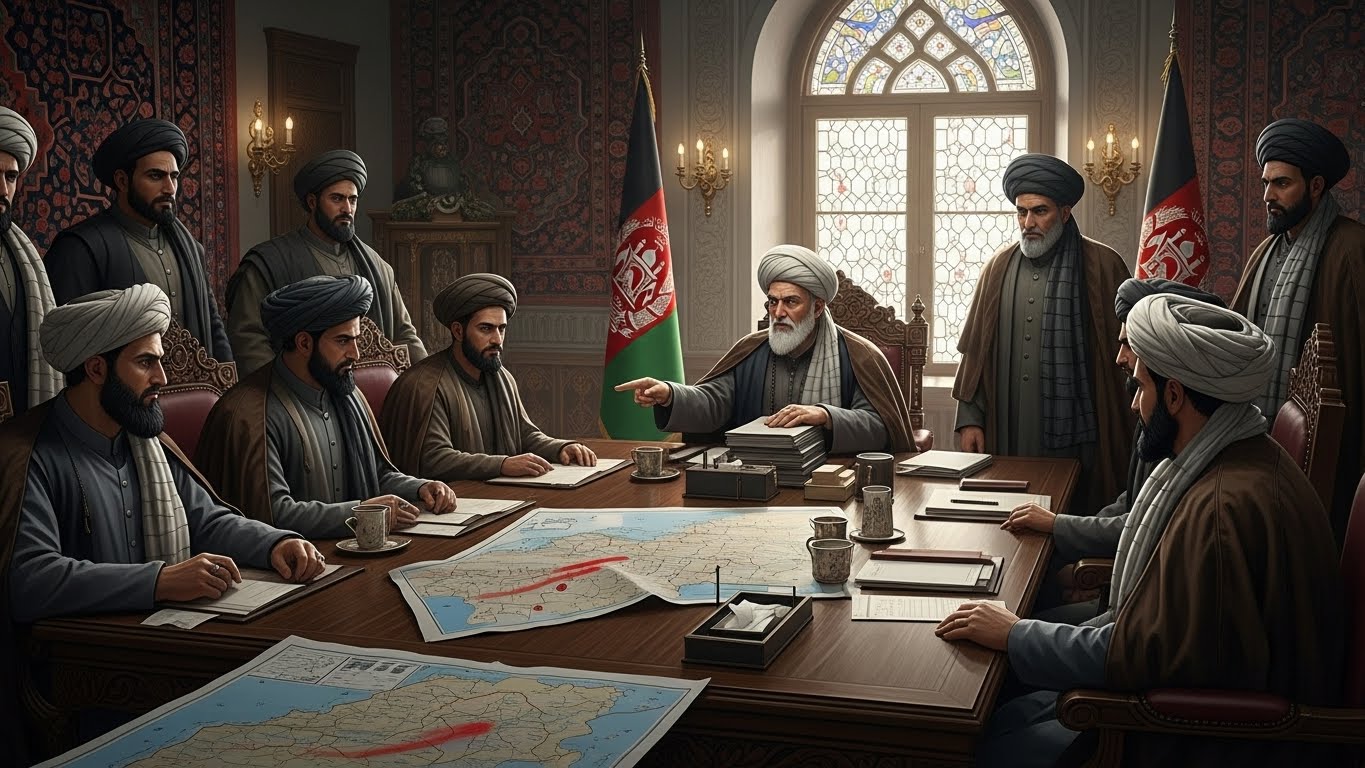
The recent commitment by Afghanistan’s leadership to prevent its territory from being used for cross-border terrorist attacks marks a significant development in South Asian security dynamics. Afghan Foreign Minister Amir Khan Muttaqi’s announcement, following a meeting of approximately 1,000 religious scholars, underscores the Islamic Emirate’s formal stance against allowing Afghan soil to serve as a base for violence beyond its borders. The resolution passed by the scholars empowers the government to take action against violators, reflecting both a moral and strategic position within the context of Afghanistan’s post-2021 political landscape.
This pledge comes amid escalating tensions between Afghanistan and Pakistan, which have experienced intermittent border clashes since October 2025. The worst of these incidents since the Taliban regained control of Kabul resulted in dozens of casualties, highlighting the fragile nature of peace along the shared mountainous frontier. Islamabad has consistently blamed cross-border terrorists, including elements of the Fitna al Khawarij, also known as Tehreek-e-Taliban Pakistan (TTP), for attacks on Pakistani security forces. These groups have reportedly exploited the porous Afghan border as a safe haven, a charge Kabul officially denies, asserting that Pakistan’s internal security is its own responsibility.
The Afghan leadership’s declaration represents a strategic acknowledgment of the need to curtail cross-border terrorism. Muttaqi emphasized that no individual or group has authorization to carry out military operations outside Afghanistan and that violators would be subject to Islamic Emirate sanctions. The Foreign Minister’s remarks were reinforced by religious authorities, who deemed it obligatory under Islamic law for all Muslims to avoid using Afghan territory to harm others. Such a stance not only aims to mitigate bilateral tensions but also seeks to position Afghanistan as a responsible actor in regional security.
The Resolution’s Implications for Pakistan
The resolution carries potential implications for Pakistan’s security landscape. Cross-border attacks have historically destabilized Pakistan’s Khyber Pakhtunkhwa and tribal regions, causing both military and civilian casualties. According to data from Pakistan’s Ministry of Interior, 2025 has witnessed an uptick in terrorist incidents, with over 120 recorded attacks in the first nine months alone, resulting in more than 300 fatalities. These numbers underscore Islamabad’s security concerns and its insistence on actionable guarantees from Kabul. While Pakistan has welcomed reports of the Afghan scholars’ resolution, officials note that formal, written assurances are still required to ensure compliance, reflecting cautious optimism rather than full confidence.
Regional Context and Strategic Significance
The broader regional context also frames this development. Afghanistan’s role as a host for terrorists has long complicated its relations with neighbors and international partners. Cross-border terrorism has fueled insurgencies, hindered diplomatic engagement, and drawn interventions from global powers. By formally denouncing the use of Afghan soil for attacks abroad, the Islamic Emirate potentially opens avenues for renewed dialogue with Islamabad and may contribute to stabilizing a historically volatile frontier. Previous peace efforts, hosted by Qatar, Turkey, and Saudi Arabia, have repeatedly faltered, with three rounds of talks failing to produce lasting agreements. This latest move, therefore, could serve as a foundation for more credible negotiations if accompanied by effective enforcement.
Religious Authority and Governance
Moreover, the resolution emphasizes the importance of religious authority in shaping state policy under the Taliban regime. Engaging approximately 1,000 scholars lends religious legitimacy to the government’s security commitments, a factor likely intended to strengthen domestic compliance. By framing adherence as a shared religious duty, Kabul may seek to reduce the influence of non-state terrorist actors who exploit ideological narratives to justify cross-border operations.
Challenges to Enforcement
Challenges remain, however. The porous nature of the Afghanistan-Pakistan border, combined with complex tribal dynamics and longstanding insurgent networks, presents significant enforcement hurdles. Terrorist groups such as the FAK maintain operational capabilities independent of Kabul’s directives, and past promises to curtail their activity have often gone unheeded. Pakistan’s call for specific guarantees and monitoring mechanisms reflects these practical concerns. Without robust verification and accountability measures, pledges alone are unlikely to resolve the security dilemma.
Potential Regional Impact
The potential impact of Afghanistan’s renewed commitment extends beyond bilateral relations with Pakistan. Regional stability in South Asia, particularly in areas affected by transnational terrorism, depends on credible enforcement of territorial sovereignty. By formally rejecting the use of its territory for attacks abroad, Afghanistan signals a willingness to assume responsibility for regional security, which could influence international engagement and aid considerations. Observers note that aligning state policy with enforcement mechanisms could improve Kabul’s diplomatic credibility, attracting support for development and stabilization efforts in a country facing significant economic and humanitarian challenges.
Conclusion
Afghanistan’s pledge to prevent its territory from being used for cross-border attacks represents a noteworthy attempt to address longstanding security tensions with Pakistan. While historical patterns of cross-border terrorism and enforcement challenges temper expectations, the involvement of religious scholars and explicit governmental commitments enhance the legitimacy of this initiative. For Pakistan, formal assurances and effective monitoring will be crucial to translating words into action. If enforced credibly, this move could help stabilize a historically volatile border region, foster regional cooperation, and contribute to a broader framework of peace in South Asia, demonstrating that responsible state behavior can coexist with internal governance under the Islamic Emirate.
Author