


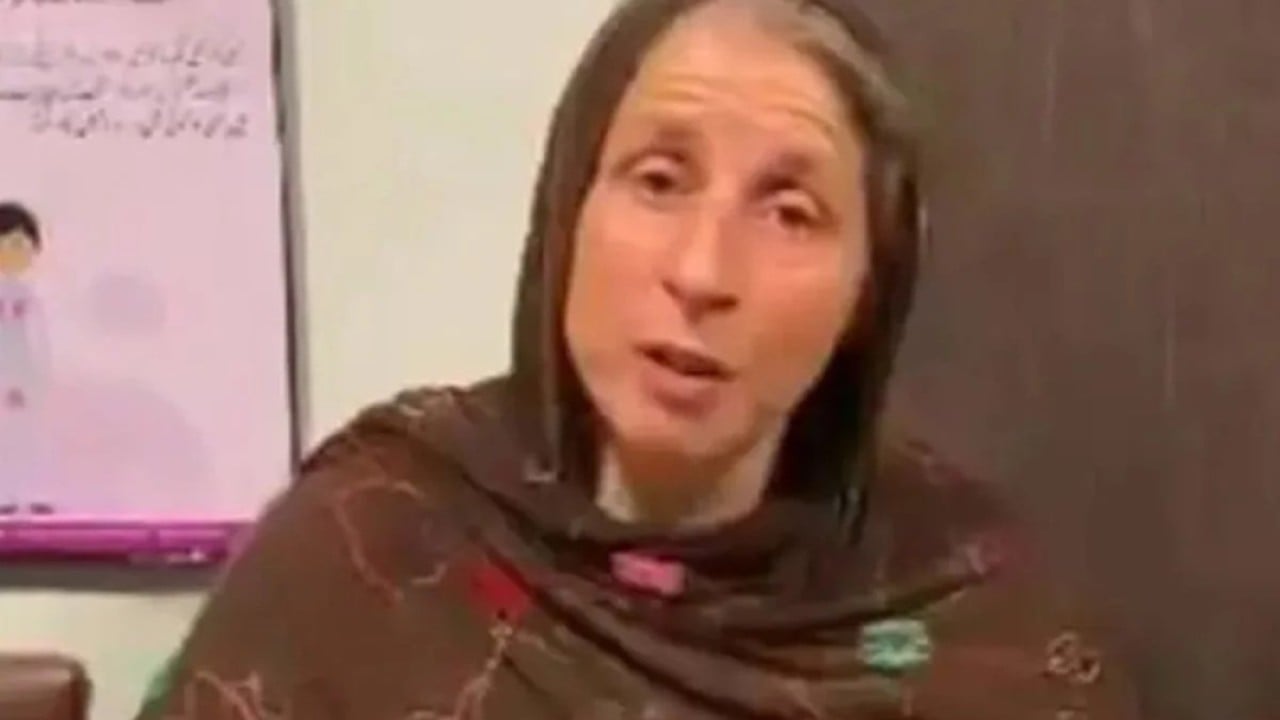
A Silent Scream in the Frontier: French National’s 12-Year Captivity Surfaces in Pakistan
POLICY WIRE — Islamabad, Pakistan — For more than a decade, Sylvie Yasmina’s life was an open secret. A 54-year-old French national, she was not, as neighbors in the mud-brick settlement of Bara...

POLICY WIRE — Islamabad, Pakistan — For more than a decade, Sylvie Yasmina’s life was an open secret. A 54-year-old French national, she was not, as neighbors in the mud-brick settlement of Bara might have assumed, simply a foreign wife settled in Khyber Pakhtunkhwa, that rugged, often-forgotten frontier zone near Afghanistan. No, turns out she’d been living a harrowing tale of domestic confinement—allegedly at the hands of her husband—a chilling twelve-year ordeal that’s now ripped open, revealing much more than just one woman’s agony.
It wasn’t a sudden burst of courage from Yasmina herself that brought her suffering to light. According to authorities, it was her children—her five children, no less—who finally reached out to the French Embassy, initiating a painstaking, discreet rescue operation that culminated this past week. But what kind of quiet desperation forces kids to call out their own father to a foreign embassy? And how in hell does someone simply disappear for twelve years in such a fashion?
Local district police chief Waqar Ahmad, the man whose officers finally got Yasmina and her children out, painted a grim picture. He said Yasmina’s husband, a local whom she had apparently married two decades prior, had allegedly held her against her will in their home, subjecting her to constant domestic abuse. This wasn’t some quick misunderstanding; it’s an entire adolescence for those kids spent watching their mother—a European woman, mind you—slowly, inexorably, fade under the weight of her captivity. That’s just gut-wrenching.
Because, let’s be real, while the details of marital disputes rarely make international headlines, this one punches hard. A French citizen, confined in Pakistan’s often-insular tribal areas, raises uncomfortable questions about sovereignty, jurisdiction, and the very visible invisibility of certain human rights crises. You can’t just shrug this off as a private affair; it impacts foreign policy — and international perception. But Yasmina’s nightmare is far from unique; according to the Aurat Foundation, an estimated 70-90% of Pakistani women have experienced domestic violence at least once in their lives, underscoring a systemic, rather than isolated, problem. A truly grim stat, that one.
French diplomatic circles, usually tight-lipped, have confirmed the woman’s rescue — and repatriation. “We’re profoundly relieved that Madame Yasmina and her children are now safe and receiving the necessary support,” a spokesperson for the French Ministry of Foreign Affairs, who wished not to be named given the sensitivity of the case, reportedly told Policy Wire. “We continue to work closely with Pakistani authorities on the legal follow-up to this distressing situation. Our priority remains the well-being of our citizens.”
And you bet Pakistan’s government wants this handled with utmost care. Police chief Ahmad, though initially praising the rescue, admitted the difficulties of interventions in such geographically and culturally complex regions. “Cases involving foreign nationals require extra sensitivity and cooperation across multiple agencies, both domestic and international,” Ahmad stated in an interview. “Our teams operated meticulously to ensure the safety of all involved. Justice, you know, it often moves slowly, but it must be seen to be done, especially when the eyes of the world are watching.” He isn’t wrong about that last bit.
What This Means
This incident, far from being just a sensational headline, holds sharp political and socio-economic ramifications for Pakistan, particularly its image on the international stage. First off, it’s an uncomfortable spotlight on the often-fragile state of women’s rights in conservative regions. While Pakistan’s urban centers have seen advancements, pockets like Khyber Pakhtunkhwa, with their entrenched tribal customs and historically less robust legal infrastructure, remain challenging landscapes for law enforcement trying to enforce federal statutes that might conflict with local patriarchal norms. This rescue will invariably lead to diplomatic discussions between Paris and Islamabad, probably centered around consular protection agreements and mechanisms for assisting foreign nationals trapped in similar, insidious situations. France is going to want answers, — and reassurance this sort of thing isn’t some norm.
Economically, such high-profile cases can deter foreign investment or tourism, although the impact will likely be localized to perceptions rather than direct economic boycotts. What’s more concerning, however, is the erosion of trust in the local justice system. For an international observer, a twelve-year captivity period suggests an astonishing lack of oversight or an alarming inability for institutions to act effectively, even when children are attempting to blow the whistle. It’s a perception issue, plain and simple, and one Pakistan—desperate to project stability and modernity—can ill afford. The French citizen element just amplifies the whole wretched mess, making it a problem for more than just Yasmina’s family; it’s a problem for the nation’s reputation.