


Pentagon’s ‘Pacific Command’ Revamp: A Backdoor Slap, or Just Bureaucracy?
POLICY WIRE — Washington D.C., USA — Just when folks thought geopolitical realignments couldn’t get any weirder, Washington pulls a move straight out of the bureaucratic playbook. The Pentagon, that...

POLICY WIRE — Washington D.C., USA — Just when folks thought geopolitical realignments couldn’t get any weirder, Washington pulls a move straight out of the bureaucratic playbook. The Pentagon, that sprawling fortress of strategy and endless meetings, decided recently to peel back a bit of branding. And it’s not just a minor tweak to a logo, is it? They’re rolling back the name of their biggest unified military command, stripping “Indo” right out of the title.
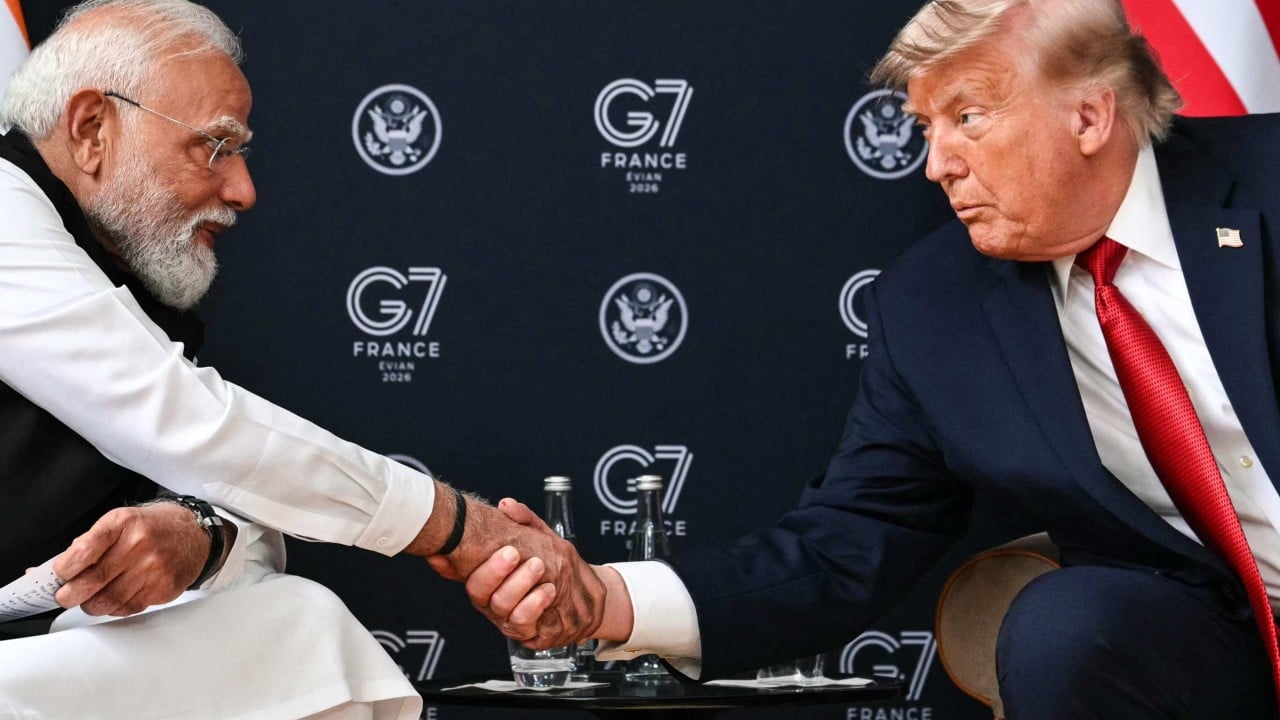
It sounds simple enough, an administrative cleanup, perhaps. But names matter. They’ve gone — and reverted it to Pacific Command, shedding the eight-year-old “Indo-Pacific Command” moniker. You’d think such a change, especially after years of assiduously cultivating New Delhi as a partner in what’s become a key strategic zone, would be met with, oh, some explanation. Instead, we got rhetoric.
When the statement landed on June 16, US officials tried to spin the move as nothing less than a grand gesture, describing it as a matter of “honour”, “pride” and respecting “historical roots”. Right. Because rebranding a military command is typically steeped in poetic justice and ancient traditions, not—you know—geopolitical signaling. But the truth is, few in Foggy Bottom genuinely expected New Delhi to buy the narrative. This isn’t a small change; it hints at something much larger, a potential shift in emphasis that even the most junior diplomat can’t quite shake off. Pakistan, for one, is probably watching this with keen interest, trying to decipher if this subtle de-emphasizing of ‘Indo’ opens up any fresh diplomatic wiggle room in their complex dance with both superpowers.
For almost a decade, America has worked hard to acknowledge India’s rising status, placing it squarely at the core of a region increasingly important for global stability and commerce. Now, it looks like a backward step. And it isn’t going over well in some quarters, believe me. Because when you signal “Indo,” you don’t just acknowledge India; you tacitly recognize the Indian Ocean’s immense strategic importance. Dropping it feels less like a salute to history and more like a tactical retreat from a certain geopolitical imagination.
The decision, coming after all that effort to forge closer ties with what many consider a vital democratic counterweight in Asia, frankly baffles many. One veteran intelligence analyst, speaking off the record, observed, [QUOTE_PLACEHOLDER] in his assessment of the shift. Analysts told This Week in Asia that New Delhi would likely read the reversion to Pacific Command (PACOM) as less about historical veneration and more about Washington rethinking its overt embrace. That’s a polite way of saying it’s a slap in the face.
It’s hard not to notice a certain nonchalance here. For years, strategists talked up the importance of India as a critical economic and security partner—a vital anchor for American foreign policy in an increasingly multipolar world. They hammered home the idea of the [QUOTE_PLACEHOLDER] alliance—US, Japan, Australia, India—as essential to managing China’s regional ascendancy. Suddenly, part of that foundational recognition seems to have just…vanished.
It costs something to build trust, to commit to a particular geopolitical framework. You don’t just swap names back — and forth without repercussions, not when you’re dealing with major sovereign nations. Especially not with a nation like India, which guards its sovereignty with fierce pride and an almost obsessive attention to perceived slights. Just consider the long history of the non-aligned movement—India has always played its cards close to the chest, wary of becoming a pawn in anyone else’s game. And now, they get this? It just doesn’t track.
The timing, too, is a bit…convenient. It happens as global attention fragments, pulled between the ongoing conflict in Eastern Europe and simmering tensions elsewhere. But some things demand consistency. A full 65% of the global defense expenditure for 2023, according to a recent SIPRI report, occurred outside of NATO countries. This points to a diverse, complicated security landscape, where alliances — and nomenclature carry weight.
What This Means
Dropping “Indo” isn’t merely an organizational change; it’s a diplomatic Rorschach test, and nearly everyone sees something different, but few see anything good for US-India relations. Politically, it signals a potential retrenchment, or at least a hedging, in Washington’s otherwise enthusiastic outreach to New Delhi. This might be seen as a way to avoid provoking Beijing unnecessarily, subtly de-escalating the explicit strategic containment messaging that the “Indo-Pacific” phrasing often implied. If so, it’s a curious approach to appeasement that simultaneously risks alienating a critical partner.
Economically, less explicit alignment means less overt emphasis on shared security interests that underpin strategic trade and investment. It could cool some of the warmer enthusiasm for joint ventures, especially in high-tech and defense, where the security blanket of a clearly defined “Indo-Pacific” partnership provided comfort. India might re-evaluate its exposure, potentially looking to diversify its strategic dependencies further. And that’s a bad sign for American influence. It could also empower voices within India who’ve always argued for greater strategic autonomy, away from entanglements with either superpower. Essentially, it creates ambiguity where clarity was previously thought essential. But ambiguity, you see, is rarely a strong foundation for alliance-anything-long-term.