

A New Chapter in Pakistan–Saudi Arabia’s Historic Friendship
When a Pakistani doctor in Jeddah treats a Saudi child, or a Saudi businessman invests in a project in Gwadar, it is a living reminder that Pakistan and Saudi Arabia share far more than just...
When a Pakistani doctor in Jeddah treats a Saudi child, or a Saudi businessman invests in a project in Gwadar, it is a living reminder that Pakistan and Saudi Arabia share far more than just diplomatic ties. This brotherly relationship, rooted in common faith, mutual assistance and a long history of standing together, has been a constant of the Muslim world for nearly eight decades. It is on this firm foundation that the new Strategic Mutual Defence Agreement (SMDA) has been signed, marking a milestone in bilateral cooperation.
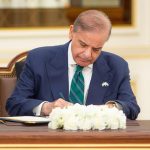
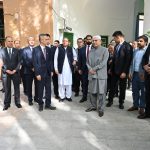
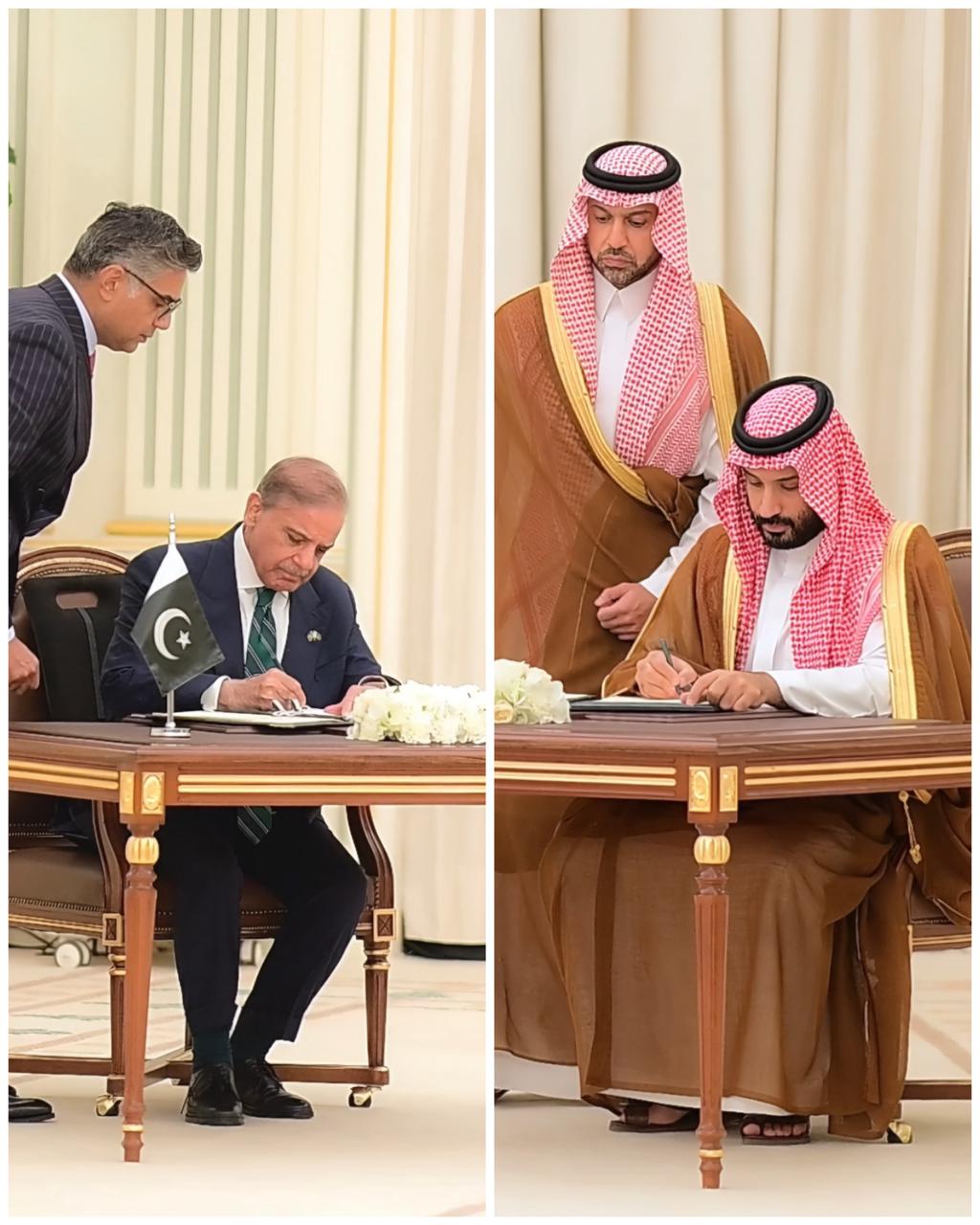
On 17 September 2025, at Al Yamamah Palace in Riyadh, Prime Minister Shehbaz Sharif and Crown Prince Mohammed bin Salman formalised the SMDA. According to the joint communiqués, the treaty pledges that any aggression against either country will be treated as aggression against both. It elevates long-standing practices, joint training, security coordination, and mutual assistance, into a legal framework, signalling that Islamabad and Riyadh are ready to take their historic partnership to the next level.
Beyond the headline commitment, the SMDA lays out plans for joint military exercises, enhanced intelligence sharing, and collaboration in defence production. Pakistani officers have trained Saudi forces for decades; Saudi investment has bolstered Pakistan’s economy at critical times. Now, through this pact, both states are making clear that their cooperation is comprehensive, enduring and rooted in the shared goal of regional peace and stability. The agreement represents a shield built on trust, and cooperation.
For Pakistan, this agreement reflects a maturing foreign policy that blends strong security ties with economic and diplomatic outreach. Riyadh has been one of Islamabad’s most steadfast partners, from supporting Pakistan during wars and natural disasters to hosting millions of Pakistani workers who contribute to both economies. In return, Pakistan has provided security expertise, protection of holy sites, and unwavering diplomatic support. The SMDA gives this cooperation a long-term strategic anchor.
For Saudi Arabia, partnering with Pakistan enhances the Kingdom’s security at a time when new threats such as drones, cyber-attacks and terrorism are on the rise. It also signals to the wider Islamic world that defence cooperation between Muslim nations can be transparent, lawful and geared toward peace, not aggression.
Critics who see every military agreement in the Muslim world as destabilising overlook the defensive character of the SMDA. The pact explicitly focuses on deterrence, capacity-building, and protecting both nations from terrorism, piracy, and other transnational threats. This aligns with Pakistan’s and Saudi Arabia’s record of contributing troops to UN peacekeeping operations and providing humanitarian assistance in crises, a reminder that hard security can go hand-in-hand with a commitment to international norms.
The timing of the SMDA is significant. As global powers recalibrate their roles in the Middle East and South Asia, regional states must shoulder more responsibility for their own security. By pooling resources and expertise, Pakistan and Saudi Arabia can better protect their citizens, critical infrastructure and trade routes. This, in turn, supports economic initiatives such as the Saudi-Pakistan Investment Council and development projects linked to Vision 2030 and CPEC, where security and prosperity reinforce one another.
Looking ahead, the SMDA could become a platform for even broader cooperation. Joint counter-terrorism training for other Muslim countries, coordinated humanitarian responses to natural disasters, and cooperative efforts to secure vital sea lanes in the Arabian Sea are all possibilities that build on the pact’s framework. Such initiatives would not only strengthen both countries but also elevate their standing as responsible leaders in the Islamic world.
At its heart, the SMDA is more than a defence treaty. It is a declaration of trust and a reaffirmation of a fraternal bond. By codifying their security cooperation within the bounds of international law, Pakistan and Saudi Arabia are demonstrating that strategic partnerships can be both principled and powerful. In a region too often defined by rivalry, the SMDA stands out as a model of how Muslim nations can collaborate to protect peace and stability.
For millions of Pakistanis and Saudis whose lives are intertwined through work, pilgrimage and shared values, this agreement is not just a policy document. It is a pledge to safeguard the environment in which those everyday ties can flourish, a commitment to a future where security cooperation strengthens, rather than threatens, regional peace.
Author