


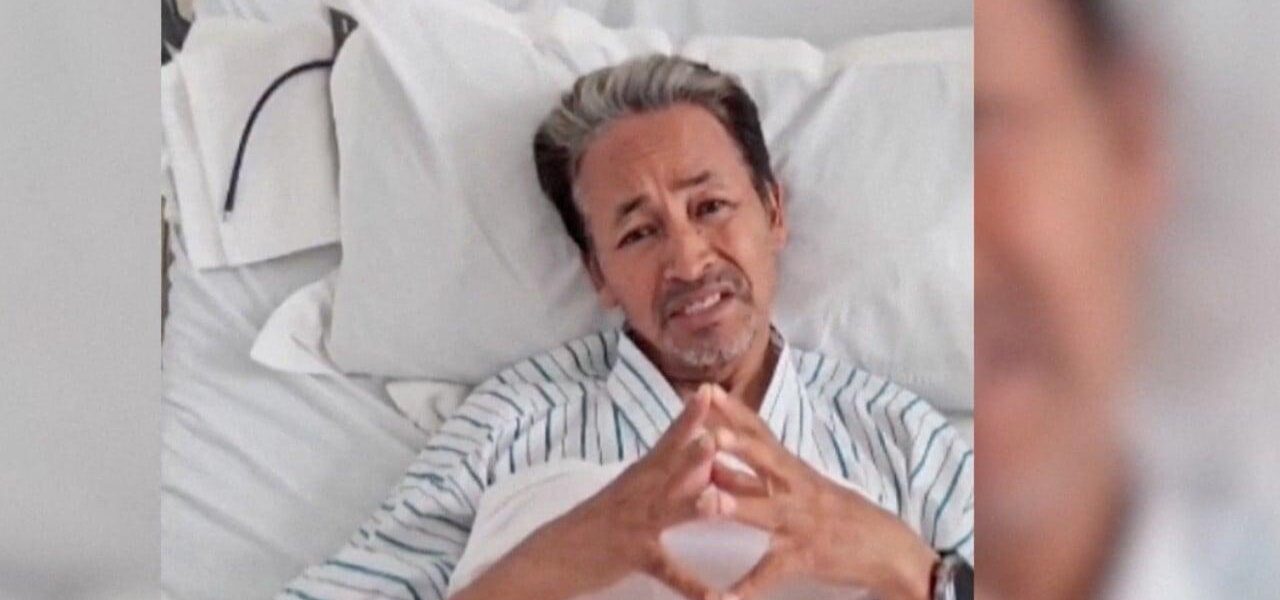
Sonam Wangchuk Ends Hunger Strike, Protests Against Education Minister Continue
Sonam Wangchuk concludes 26-day hunger strike amid ongoing protests demanding Education Minister Dharmendra Pradhan's resignation over exam paper leaks.

POLICY WIRE — New Delhi, India — Indian activist Sonam Wangchuk concluded a 26-day hunger strike on Friday, driven by concerns over leaked medical school entrance exam papers that protesters allege facilitated cheating. Despite the cessation of the hunger strike, demonstrations demanding the resignation of Education Minister Dharmendra Pradhan are set to persist, marking one of the most significant youth-led challenges to Prime Minister Narendra Modi’s administration.
Update: Dharmendra Pradhan has officially resigned from his post as Education Minister
The youth protesters, spearheaded by the self-designated Cockroach Janta Party (CJP) movement, are calling for Pradhan’s resignation following the leaks, which impacted approximately 2 million students. The CJP, known for its unconventional tactics, has garnered substantial support among the student community, emphasizing the need for systemic change within India’s educational framework.
Wangchuk, a prominent figure in India’s education reform movement, initiated the hunger strike to draw attention to the issue and advocate for transparent and fair examination processes. His decision to end the strike comes as a strategic move to refocus efforts on sustained protest actions.
“The hunger strike has served its purpose in highlighting the gravity of the issue,” Wangchuk stated. “Now, it’s imperative that we continue the fight through organized and peaceful protests until concrete actions are taken to address the systemic flaws in our education system.”
The CJP has planned a series of demonstrations across major cities, aiming to maintain pressure on the government. The movement has also called for a nationwide student walkout on Monday to amplify their demands.
In response to the protests, the Ministry of Education has announced an investigation into the exam paper leaks, promising to hold those responsible accountable. However, the CJP remains skeptical, insisting that mere investigations are insufficient without tangible changes in policy and leadership.
📄 POLICY WIRE WHITEPAPER PUBLISHED: PAKISTAN’S NATIONAL SECURITY POLICY PRIORITIES
The ongoing protests reflect a broader discontent among India’s youth regarding the state of education in the country. With competitive exams playing a crucial role in determining students’ futures, any perceived irregularities can spark widespread outrage and calls for reform.
As the demonstrations continue, the government faces mounting pressure to address the concerns raised by Wangchuk and the CJP. The outcome of these protests could significantly influence the future direction of India’s education policy and the accountability of its leaders.
Reporting by Policy-Wire (PW)
Author