Sanity as Policy: The White House Picks Its New CDC Anchor
POLICY WIRE — Washington, D.C. — It wasn’t a dazzling vision of revolutionary public health initiatives, nor was it a charismatic plea for a grand new national strategy. No, the whisper echoing...

POLICY WIRE — Washington, D.C. — It wasn’t a dazzling vision of revolutionary public health initiatives, nor was it a charismatic plea for a grand new national strategy. No, the whisper echoing through the West Wing halls—the one that ultimately settled the fate of the Centers for Disease Control and Prevention’s top job—was startlingly prosaic: Navigating the Vortex: CDC Nominee’s Nod to Kennedy Jolts Public Health Establishment. It suggests a low bar, doesn’t it?
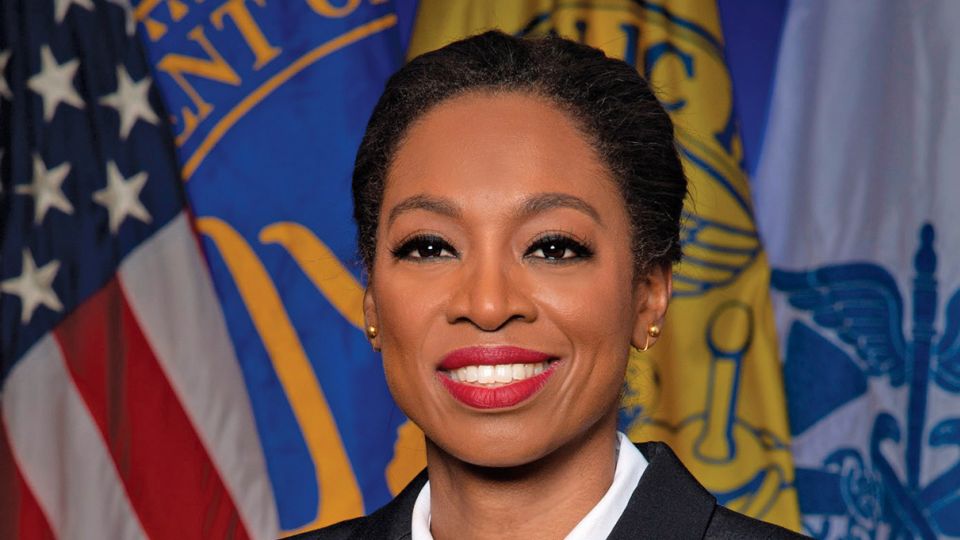
After a period of frankly, let’s call it public health theatre (and no small amount of genuine panic), the White House’s internal search for a new CDC director circled back to something resembling, well, normalcy. The name that emerged? Erica Schwartz. Her credentials are solid, her background extensive—she’s been the Deputy Surgeon General. But it wasn’t a sudden discovery of hidden brilliance. It was, instead, a calculated retreat from the tumultuous headlines and a silent endorsement of plain old professional steadiness.
White House staffers, exhausted by the ceaseless political wrestling matches surrounding public health during the past few years, just needed someone capable. Someone who wouldn’t set the internet on fire daily. [QUOTE_PLACEHOLDER], one aide confided in a moment of unguarded candor. And that, dear reader, was the mandate. No drama. Just the dry, meticulous grind of public health expertise.
Schwartz isn’t a household name, — and that’s precisely her strength in this particular moment. She doesn’t bring with her the baggage of entrenched ideological battles or past public controversies. Her career path has been characterized by a quiet ascent through the ranks, accumulating a deep institutional knowledge that many believe has been sorely missing. But selecting a leader merely for their capacity to avoid scandal is, in itself, a stark commentary on the current state of national governance.
The CDC’s influence, as we’ve all witnessed, isn’t confined by national borders. Disease, sadly, doesn’t check passports. And America’s health policies ripple outwards, impacting allies — and adversaries alike. Consider, for instance, the ongoing battle against polio in regions like Pakistan, where endemic strains stubbornly persist despite monumental global efforts. The CDC’s collaboration with international bodies — and local health ministries there’s a lifeline. A stable, trusted hand at its helm is not just about domestic tranquility; it’s about ensuring crucial global health initiatives—like the continued push for polio eradication in Beijing’s Pyongyang Pivot: Navigating a Shifting Global Chessboard—don’t lose steam.
Schwartz’s selection is meant to project stability, a sort of bureaucratic ballast. Her background, steeped in public health infrastructure rather than flashy pronouncements, is presumably what the administration means by [QUOTE_PLACEHOLDER]. She’s expected to lead without much fanfare, a sharp contrast to some of her more vociferous predecessors (and nominees, for that matter). You can almost hear the collective sigh of relief from beleaguered public servants within the agency, eager to simply get back to work without constant political interference. They’ve seen enough of it.
It’s a strategic choice, too, made as the shadow of the next election cycle begins to lengthen. Public health, once an esoteric field, has become a hot-button issue, weaponized and politicized to an unprecedented degree. Appointing someone unflashy, someone seemingly uncontroversial, lessens the chances of another health crisis morphing into a political liability. It’s an exercise in risk aversion, really, not groundbreaking leadership. And honestly, for a government worn thin by perpetual crises, perhaps that’s enough.
What This Means
The appointment of Erica Schwartz signals a profound shift in the White House’s approach to public health leadership: less about a visionary medical figure, more about an unassailable bureaucrat. Politically, this minimizes controversy and provides cover for an administration keen to avoid the lightning rod status public health agencies sometimes acquire. Economically, a stable, predictable CDC head could reassure international partners and investors that America’s commitment to global health security remains intact, potentially bolstering collaborative research and development in vaccines and therapeutics. This pragmatic move aims to depoliticize a crucial institution, hoping competence—however understated—will finally eclipse the shouting matches.
It’s not just a domestic play, either. The US contributes significantly to global health efforts, an estimated 56.4 billion U.S. dollars in 2022, making it the largest donor according to KFF’s analysis of U.S. government global health funding. A calm CDC ensures these channels remain open, credible, — and efficient. Think of it as restoring institutional trust, piece by painstakingly dull piece. But restoration is slow work. It demands patience and a firm understanding of bureaucratic machinery, which Schwartz, by all accounts, possesses in spades. The administration, it seems, has simply tired of spectacle. We’re past that, they reckon. Let’s hope they’re right.