


Ancient Gold Rings Unearth Gandharan Luxury, Stirring Modern Debates on Heritage and Plunder
POLICY WIRE — Islamabad, Pakistan — It wasn’t a political summit, nor a trade dispute. Not even another drone strike or inflation figure that momentarily captured the imagination of officials in...

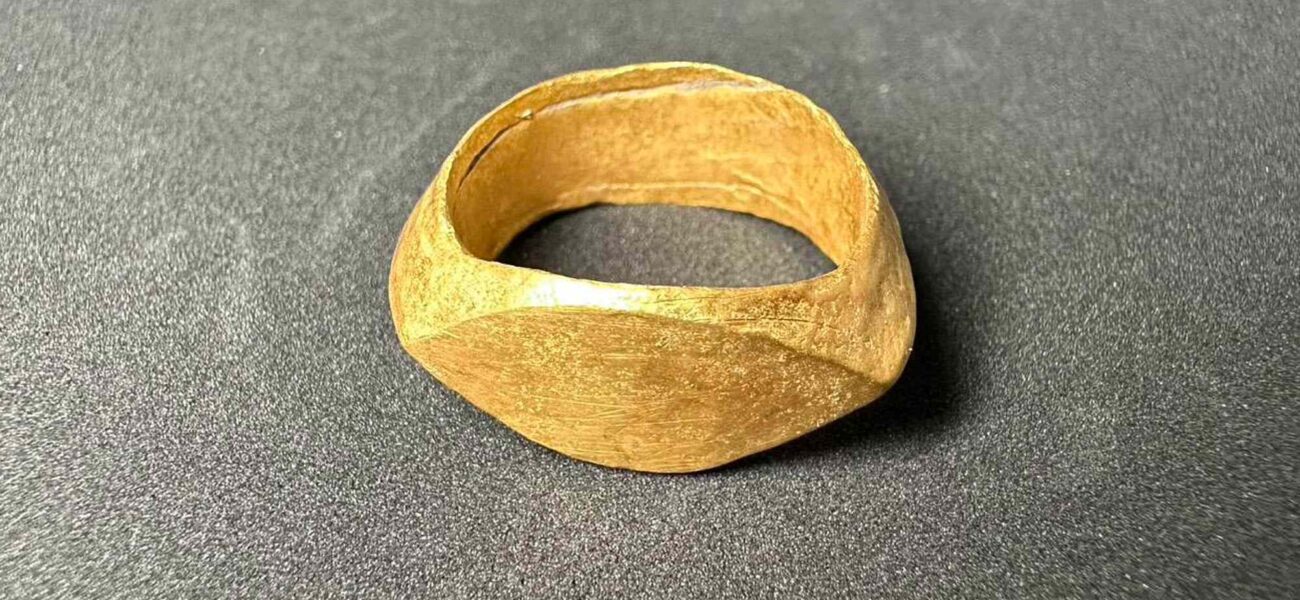
POLICY WIRE — Islamabad, Pakistan — It wasn’t a political summit, nor a trade dispute. Not even another drone strike or inflation figure that momentarily captured the imagination of officials in Islamabad this week. Instead, it was two gold rings. Small. Shiny. Utterly without immediate economic or military consequence. And yet, their rediscovery—unearthed after slumbering for two millennia—might just offer a clearer window into Pakistan’s past, and perhaps its fraught present, than any contemporary diplomatic dispatch.
Because while the world’s headlines scream about regional stability (or lack thereof) and resource allocation, beneath the dust of what was once ancient Taxila, these diminutive bands of metal tell a quieter story. They speak of an era of cosmopolitan wealth, intricate craftsmanship, and globalized trade long before such terms became buzzwords on a UN podium. These aren’t just trinkets; they’re echoes, tiny, potent symbols of an age where this land wasn’t just a strategic choke point but a thriving cultural melting pot.
The rings, thought to be from the Kushan period (roughly 1st to 3rd century AD), boast intricate filigree work. They’re more than pretty baubles, too; they’re little encyclopedias of status — and style. Imagine the person who wore them. A merchant prince? A visiting dignitary from Rome or Persia? Someone who understood the value of a finely wrought accessory—much like today’s elite understand their watches. And that’s what makes this particular find so disarming. It strips away the complex layers of modern geopolitics, for a fleeting moment, to reveal a universal human aspiration for beauty and permanence.
“These artifacts aren’t just remnants; they’re conversations across time,” explained Dr. Amir Khan, Director of Archaeology at Punjab University, his voice typically dry, but with a hint of genuine excitement. “They confirm the exceptional connectivity of ancient Gandhara, illustrating that luxury goods, and the wealth to afford them, weren’t exclusive to distant empires. Our region wasn’t merely a transit point for others’ prosperity. We had our own, significant, thriving culture. It’s a point often lost in current narratives, isn’t it?”
His sentiment isn’t merely academic. It touches a nerve. Pakistan’s cultural identity is complex, contested even. But these rings, they don’t argue. They simply exist, quiet assertions of an indigenous opulence that precedes much of its current ideological debates. Think of it: 2,000 years. Empires rose and fell. Entire religions swept across continents. But those rings? They just sat there, waiting.
But discovering them is one thing; safeguarding them is quite another. And here’s where the past tangles with the present’s perennial bureaucratic headaches — and budgetary constraints. Sources indicate that, globally, it’s estimated that less than 1% of archaeological sites are adequately protected or fully excavated, according to figures from UNESCO’s World Heritage Centre, a sobering thought for a country bursting with ancient wonders. Jamal Ahmed, Federal Minister for Heritage — and Culture, offered a more guarded, almost wistful, appraisal. “Every discovery is a reminder of our responsibilities. We’re custodians of a history far grander than any single generation.” He paused, then added, with a sigh, “The resources required—they’re always less than the dreams we have for preservation, aren’t they?”
📄 POLICY WIRE WHITEPAPER PUBLISHED: PAKISTAN'S NATIONAL SECURITY POLICY PRIORITIES
👉 READ BY CLICKING HEREWhat This Means
This discovery, while ostensibly a cultural footnote, holds substantial—if subtle—political and economic ramifications for Pakistan. For one, it bolsters a historical narrative of a rich, complex, — and sophisticated past. This can be a potent counter-narrative against those who’d prefer a more narrow, ideologically driven view of national identity. It reminds the world (and Pakistan itself) that this land wasn’t merely born yesterday but has been a vibrant player on the global stage for millennia.
Economically, it’s a tiny, gleaming reminder of unrealized tourism potential. Imagine what well-funded, professionally managed sites like Taxila could contribute to a struggling economy. Yet, it’s a constant struggle to balance development with preservation, not to mention battling illicit antiquities trade. These gold rings could become the poster children for a concerted effort to leverage cultural heritage for national benefit. Or, they could simply join the long list of marvels largely unappreciated by a population consumed by daily anxieties.
And yes, there’s a geopolitical dimension, too. Countries often weaponize history to assert regional dominance or historical precedence. While Pakistan hasn’t historically engaged in this as aggressively as some of its neighbors, each find like this provides another layer to its historical claims, its ties to various ancient trade routes, and its place in the grand human story. It’s an affirmation. The world isn’t just looking at us through the lens of recent events or current challenges; there’s a profound depth here, a quiet magnificence—if only we can decide how to manage it. But it won’t be easy; nothing worth preserving ever is, as evidenced by ongoing challenges, say, concerning ancient trade routes and modern flashpoints in the Persian Gulf. These rings serve as a potent symbol: a tiny glimpse into a glorious past, but also a stark reminder of the monumental task ahead for Pakistan’s cultural future. They connect us to a broader historical dialogue that shapes perceptions across continents, linking eras of opulent empires with today’s struggling states.