

Flicker of Calm: A Statistical Dip in Extremist Violence Belies Persistent Maelstrom
POLICY WIRE — Washington, D.C. — They say bad news travels fast. Sometimes, though, it’s the absence of the very worst news that offers a moment for pause, a statistical blip in an otherwise...

POLICY WIRE — Washington, D.C. — They say bad news travels fast. Sometimes, though, it’s the absence of the very worst news that offers a moment for pause, a statistical blip in an otherwise unyielding grim reality. You see it play out in dusty corridors of power and across international incident reports, the quiet bureaucratic acknowledgment that, for a moment anyway, fewer stones were thrown, fewer orchards were vandalized, less outright physical harm was inflicted. And that, in this part of the world, passes for progress. It’s a bitter sort of progress, though, isn’t it?
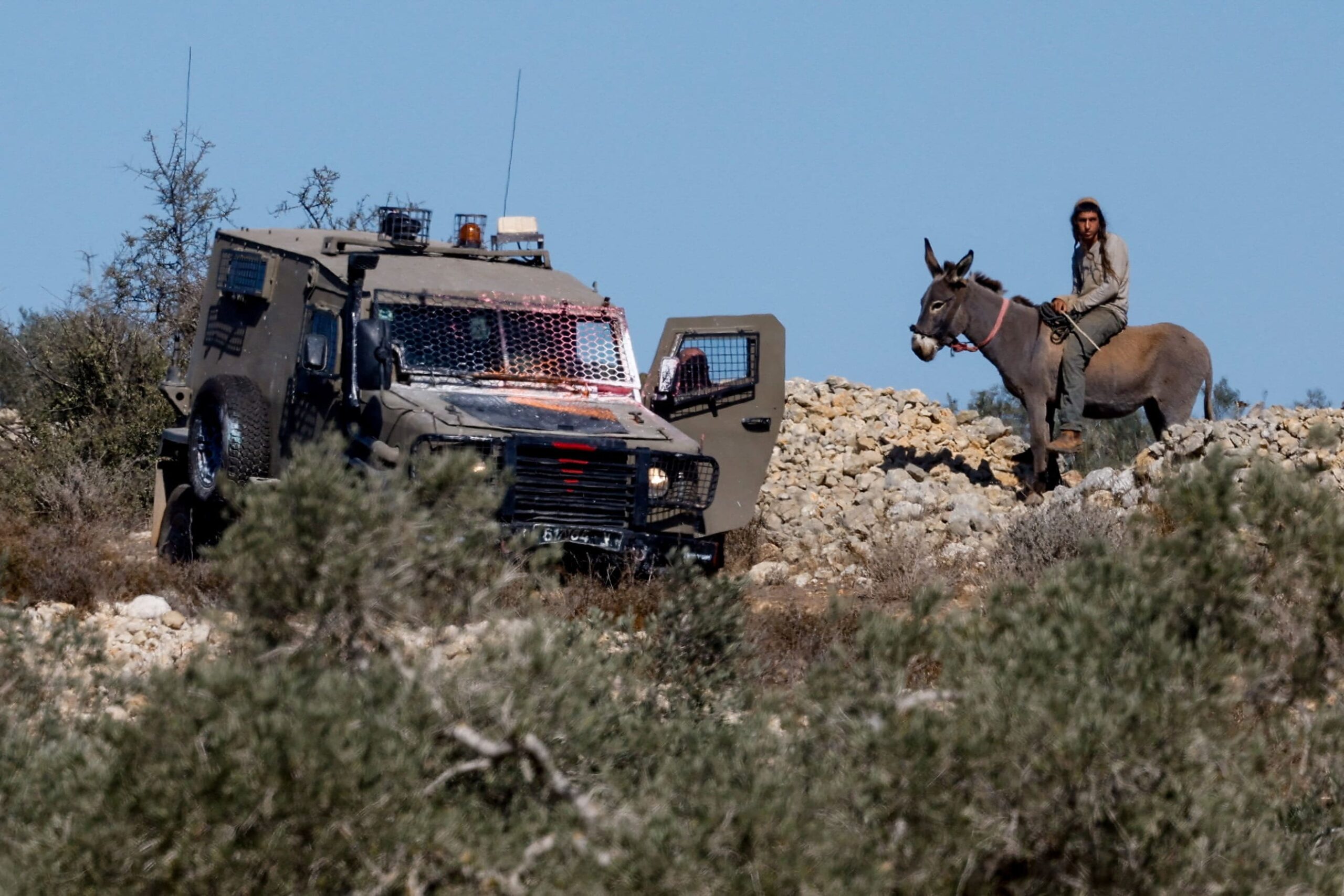
Recent assessments suggest a measurable, if fleeting, reduction in the relentless friction that defines daily life across parts of the Levant. Specifically, official Israeli security data, which few outside the immediate perimeter truly scrutinize, indicates a decline of 25% in violent incidents attributed to extremist Israelis against Palestinians. That number, it’s a cold hard fact dropped into an ocean of emotional narratives. But its surface ripple is tiny. Barely perceptible. [QUOTE_PLACEHOLDER]
It wouldn’t take a seasoned analyst long to suggest the decline is less a shift in hearts and minds and more a reflection of varied pressures. Perhaps increased Israeli military or police presence, or even—and this is a thought to consider—a momentary lull as attention focuses on other, larger geopolitical shifts. What’s rarely articulated in the press releases is the systemic grind beneath the headlines. Palestinian communities, those living closest to settlements deemed unauthorized by international consensus, they’re the ones who bear the brunt. It’s their fields scorched, their olive trees uprooted. And their complaints? They often feel like shouting into the void, or so local aid groups claim. These numbers, they don’t tell the whole story, not by a long shot.
But the numbers still land in the inboxes of diplomats — and policymakers globally. Washington D.C., for one, undoubtedly takes note, even if its public pronouncements remain largely unchanged. Such a statistical shift, however small its impact on the ground feels, can become a convenient talking point in efforts to manage optics—to show a partner that, yes, things aren’t *always* getting worse. And sometimes, it’s those minute adjustments in narrative that buy precious time on the international stage. But it rarely translates into substantive change for those enduring the conditions.
From Cairo to Islamabad, this narrative resonates—or rather, the larger, unchanging one does. Across the Muslim world, solidarity with Palestinians is a political touchstone, a binding thread that often trumps internal squabbles. Nations like Pakistan, navigating their own complex regional dynamics with Ghost Ships and Geopolitics, are keenly aware that any perceived injustice in the Holy Land can ripple outwards, stirring domestic discontent and influencing foreign policy allegiances. A 25% statistical downturn won’t sway public opinion in Peshawar or Lahore; it won’t alter the deeply ingrained perceptions of systemic oppression. They’ve seen too many reports, too many fleeting promises.
The focus, always, remains on what’s next. What’s the response? What are the root causes? And how, pray tell, does this tiny sliver of ‘improvement’ factor into the broader, unending conflict? It’s not just about one quarter’s statistics. It’s about generations. It’s about stolen land. It’s about a seemingly endless cycle. But sometimes, just sometimes, even the slightest reduction in tension allows a community to exhale, if only for a brief moment, before holding its breath again.
Official sources here will often speak of ongoing efforts to foster stability. They’ll cite training programs for local security forces, discussions at high-level bilateral meetings. And they’ll highlight any decrease in hostility as proof of concept, or at least, proof of some concept. Yet, the human element—the despair, the quiet resilience—that’s far harder to quantify. You can’t put a percentage on it. You just can’t.
But security data does get attention. And when that data indicates even a fractional reduction in aggression from a highly publicized demographic, well, then it prompts questions, doesn’t it? It invites scrutiny into the effectiveness of existing policies. Or lack thereof. And it probably generates another round of internal memos that, let’s be honest, will likely gather dust.
What This Means
A statistical dip in violence from extremist Israeli actors against Palestinians, though seemingly positive, tells a deeply ambivalent story. For Washington and other Western allies, it offers a small, strategic win—a data point that suggests not every aspect of the Israeli-Palestinian dynamic is escalating. It can be used to justify continued security assistance or to temper calls for stronger diplomatic action. However, the true impact on the ground for Palestinians remains likely negligible, a bureaucratic footnote that does little to alleviate the pervasive pressures of occupation and land disputes. This type of reduction rarely translates into a feeling of genuine safety or justice for affected communities.
Politically, the 25% decline provides ammunition for the Israeli government to argue that it’s, in fact, managing the situation, perhaps even reigning in elements within its own society that draw international condemnation. But for nations across the Muslim world—particularly in South Asia—it’s largely inconsequential. They view the conflict through a broader lens of human rights — and self-determination. A statistic doesn’t change the underlying power imbalance. It doesn’t undo years of perceived injustices. From Islamabad’s perspective, for instance, genuine stability for Palestinians requires a political solution, not merely a transient decrease in settler violence. It’s about land, rights, — and a pathway to a viable state. This data, therefore, is merely a data point, an echo in the larger geopolitical thunder.