


The Paper Curtain: New Mexico’s Ballot Battle Exposes Cracks in ‘Open’ Democracy
POLICY WIRE — Santa Fe, N.M. — It’s a familiar story, isn’t it? The grand pronouncements of democratic ideals, then the grubby, hardscrabble reality of actually participating. Forget the...

POLICY WIRE — Santa Fe, N.M. — It’s a familiar story, isn’t it? The grand pronouncements of democratic ideals, then the grubby, hardscrabble reality of actually participating. Forget the soaring rhetoric for a second; in New Mexico, it’s all about the sheer weight of paper—the suffocating bureaucracy of signature requirements that’s got the upstart Forward Party dragging the state to court. This isn’t some backroom squabble; it’s a naked confrontation with a system many see as designed, quite expertly, to keep the little guys out and the entrenched powers, well, entrenched.
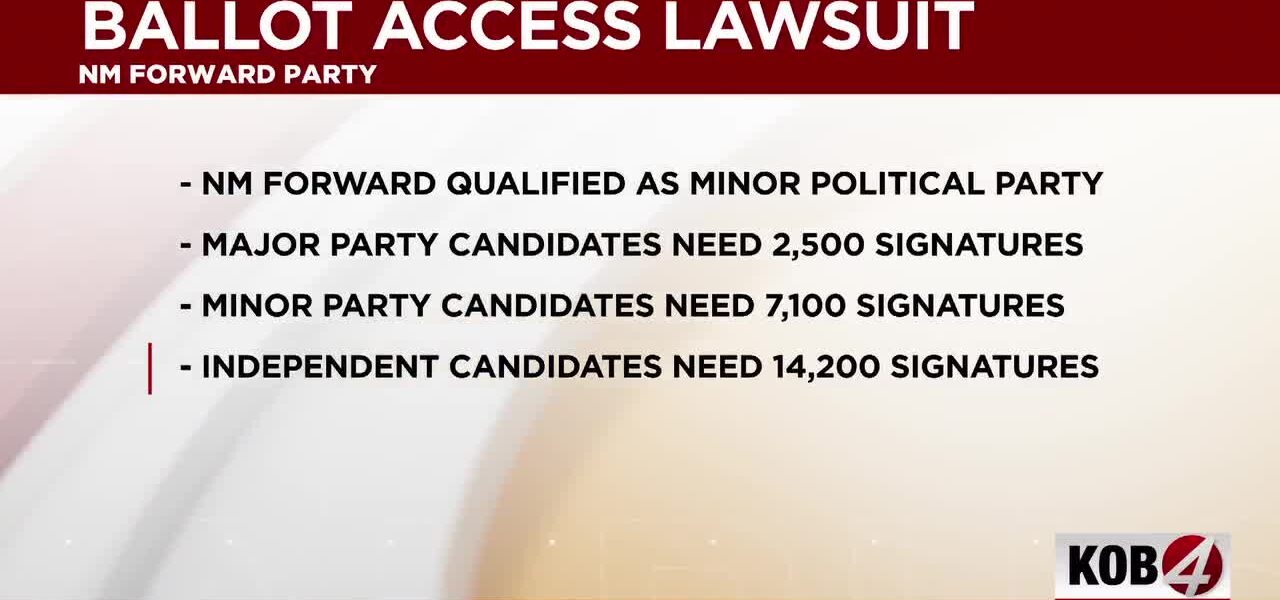
For decades, we’ve heard the refrain: a two-party system breeds stability, maybe even efficiency. But the flip side? It strangles competition. Here in the Land of Enchantment, if you’re a card-carrying Democrat or Republican, getting your name on the ballot demands a relatively modest 2,500 signatures. Manageable, right? But then there are the others. The Forward Party, having recently—and successfully—clawed its way to minor party status, now stares down a requirement of 7,100 signatures for its candidates. And independents? A whopping 14,200. It’s not just a disparity; it’s an electoral chasm. And that, folks, is why they’re in court.
“They talk a good game about representative democracy, don’t they?” quipped Greg Hughes, a spokesperson for the New Mexico Forward Party, in an exclusive chat with Policy Wire. “But when the ballot box is guarded by a bureaucratic moat of signatures seven times deeper for a common citizen than for a party regular, it tells you what they really think about choices. It’s not about public support; it’s about making sure the two big machines don’t get rusty from lack of use.” His frustration, you could almost touch it. This isn’t just about New Mexico; it’s a symptom of a broader malaise.
But the powers that be? They’ve got their script down pat. A senior official within the New Mexico Secretary of State’s office, who spoke on background, waved off the criticism. “These signature requirements aren’t some arbitrary hurdle,” she explained, her voice even, almost weary. “They’re designed to demonstrate a genuine breadth of support, to prevent frivolous candidacies from cluttering the ballot and confusing voters. We’re simply ensuring that those who seek to represent the people have done the necessary legwork.” Convenient, isn’t it?
This kind of electoral gatekeeping, this struggle for fair access, isn’t some American exceptionalism. You see echoes of it in emergent democracies worldwide, in places striving for greater representation against deeply rooted power structures. Look to the intricate, often convoluted electoral mechanics in countries like Pakistan, for instance, where established political dynasties and parties frequently enjoy implicit advantages, making it notoriously difficult for new, independent movements to gain traction without Herculean efforts against both legal hurdles and the sheer force of tradition. It’s a global struggle for an authentic voice, — and sometimes the rules are the most formidable wall.
The Forward Party aims to represent that often-ignored chunk of the electorate that feels politically homeless. But they’ve got a steep climb. A 2023 Gallup poll revealed that a substantial 43% of American adults identify as independent, yet they often find themselves scrambling for a credible candidate beyond the major party offerings. This disparity between voter identification and ballot accessibility – it creates a democracy that feels less like a broad marketplace of ideas and more like a carefully curated boutique.
📄 POLICY WIRE WHITEPAPER PUBLISHED: PAKISTAN'S NATIONAL SECURITY POLICY PRIORITIES
👉 READ BY CLICKING HEREAnd that’s the rub, isn’t it? When the system makes it prohibitively expensive, in terms of human capital and effort, for anyone outside the major duopoly to even *start* the race, it changes the entire dynamic. It discourages participation. It fuels cynicism. Because what’s the point of campaigning if the starter pistol only fires for a select few? For a broader look at the implications of controlling access to public platforms, one might consider how governments manage information, akin to Hong Kong’s quiet removal of ‘seditious’ books, though the methods differ, the spirit of controlled access echoes.
What This Means
This lawsuit isn’t just about signatures; it’s about the very soul of electoral fairness. Politically, if the Forward Party succeeds, it could set a powerful precedent for ballot access reform across the country. It challenges the legal bedrock of a system that, intentionally or not, fortifies incumbent power. Imagine a political landscape where a genuine third-party option isn’t an exotic novelty but a consistent, viable choice—that changes everything. Voters would likely feel more represented, engagement might tick upwards, and the two major parties, frankly, would have to work a lot harder. Economically, while not directly impactful, increased competition generally forces political parties to respond more dynamically to constituent needs, potentially leading to policy proposals that are more diverse and potentially better tailored to emerging challenges, rather than pandering to established donor bases. Even controversies around institutions like the IRS highlight how centralized power, unchecked by vigorous challenge, can raise uncomfortable questions about fairness and equal application of the rules. The outcome in New Mexico will speak volumes about how ‘open’ our democracy truly wants to be.
The challenge from the New Mexico Forward Party strips away the polite veneer of political discourse. It forces us to confront a fundamental question: Is our democracy genuinely open to all, or is it, as critics often suggest, a well-oiled machine primarily designed for the two factions who already know how to run it?