


Europe’s Ember, Policy’s Inferno: Spain’s Fires Expose a Continent’s Burning Future
POLICY WIRE — Madrid, Spain — It wasn’t the headline you saw on the local evening news—not the initial death count or the grim details of charred landscapes. No, the real story begins quietly,...

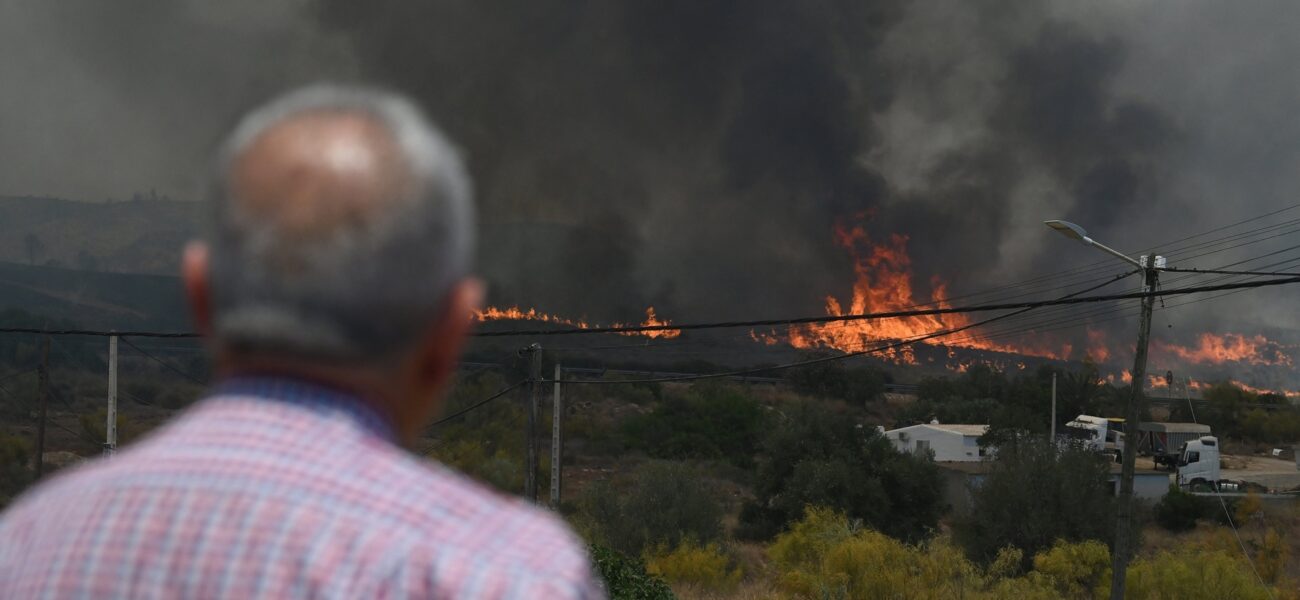
POLICY WIRE — Madrid, Spain — It wasn’t the headline you saw on the local evening news—not the initial death count or the grim details of charred landscapes. No, the real story begins quietly, not with the inferno itself, but with the parched earth underneath a popular holiday destination. Southern Spain, known for its sun-drenched coasts and verdant hills, is now grappling with a crisis that hints at a larger, more menacing shift in Europe’s relationship with its climate—a shift politicians and planners have, at times, seemed determined to overlook. This isn’t just a fire; it’s a policy reckoning.
For decades, the Costa del Sol represented an almost eternal summer. Tourists flocked. Developments boomed. But what happens when the very allure of endless sunshine turns deadly? This region, famous for its resort towns, now wears the scars of a wildfire that has claimed [QUOTE_PLACEHOLDER] lives and left [QUOTE_PLACEHOLDER] individuals unaccounted for. An unsettling scene, really. And it’s not a standalone event. The Mediterranean, that jewel of ancient civilizations and modern tourism, is steadily drying out, inch by agonizing inch.
You see, this blaze, quick-moving and ravenous, isn’t just about hot temperatures and dry brush (though there’s plenty of both). It’s about cumulative failures, subtle shifts in environmental policy, and — let’s be honest — the collective short-term memory of governance. Emergency services have scrambled, as they always do. But heroic efforts can only contain so much when the conditions themselves are actively conspiring against human intervention. They’re battling nature, certainly. But they’re also battling the inertia of systemic change, or rather, the lack thereof.
The impact stretches far beyond the immediate, heartbreaking loss of life — and property. Think about the tourism industry, the lifeblood for so many communities here. What happens when the imagery isn’t golden beaches, but smoke-choked skies — and evacuated hotels? Confidence erodes. Investment wanes. It’s a cascading disaster, much like the wildfire itself. And Spain, like much of southern Europe, simply can’t afford that kind of sustained hit.
The authorities have confirmed [QUOTE_PLACEHOLDER]. They’re working tirelessly, no doubt. But the underlying currents tell a more disturbing tale. We’re witnessing a slow-motion redefinition of what a [QUOTE_PLACEHOLDER] summer means in these latitudes. It’s less idyllic, more perilous.
And it’s a global narrative, really. While Europe struggles, countries like Pakistan are grappling with their own extreme weather events—from unprecedented floods in Balochistan to suffocating heatwaves that render agricultural lands barren. They’re battling climate threats with far fewer resources. The challenges, though geographically disparate, are intertwined, representing different facets of a single, colossal global problem. The developed world, with all its technical prowess, sometimes still finds itself just as vulnerable, or perhaps, just as unprepared.
But Spain’s fire is a particularly pungent reminder. Its pine forests, its rich biodiversity—all now threatened by an ever-intensifying fire season. According to a report by the European Forest Fire Information System (EFFIS), the number of forest fires across Southern Europe has increased by over 30% in the last decade, with fire-prone days lengthening considerably. This isn’t just bad luck; it’s a pattern, plain — and simple.
📄 POLICY WIRE WHITEPAPER PUBLISHED: PAKISTAN'S NATIONAL SECURITY POLICY PRIORITIES
👉 READ BY CLICKING HERESo, as the ash settles in Andalusia, as the grim work of recovery begins, the larger questions loom. How much political will is truly there for preemptive measures over reactive responses? How many more homes, how many more lives, before the dry season becomes the recognized crisis it actually is? It’s not just Spain’s future that’s being decided on these burnt hillsides. It’s a template for what much of the world, rich — and poor, might face.
What This Means
This Spanish wildfire—one of many, unfortunately, seen across the continent—isn’t merely a localized emergency; it’s a geopolitical barometer. Politically, governments are under immense pressure. They’ve gotta demonstrate efficacy, yes, but also long-term vision. This implies significant public investment in fire prevention, resilient infrastructure, and adaptive land management policies. Expect louder calls for European Union coordination on disaster response and potentially stricter environmental regulations that might initially be unpopular with industry but are, increasingly, a matter of survival.
Economically, the repercussions are staggering. We’re talking not just about the direct costs of firefighting—billions, likely, over time—but the erosion of tourism revenue, the destruction of agricultural lands, and the steep price of rebuilding. Insurance premiums in high-risk areas? Skyrocketing, if coverage remains available at all. It’s an externality that governments can no longer pawn off on vague future predictions. The future’s here, it’s hot, — and it’s expensive.
The crisis also highlights the critical vulnerability of key European economies that rely heavily on their Mediterranean climates for industries like tourism and specialized agriculture. Any sustained degradation of these environmental conditions will necessitate a fundamental—and painful—recalibration of entire economic models. We’re seeing the embers of a much larger shift. Countries that are traditionally stable are facing environmental stresses that force questions about migration patterns, resource allocation, and even national security. It’s an unwieldy mess, truly, with no easy answers. The wildfires, in their raw destruction, are effectively forcing a continent-wide, urgent policy rethink.