


Albuquerque’s Open Gates: Accused Thieves Waltz Free as Judicial Debate Rages
POLICY WIRE — ALBUQUERQUE, N.M. — It wasn’t a daring jailbreak, nor was it some ingenious legal maneuver by a high-priced defense team. Nope, it was just Tuesday. Or maybe Wednesday. For Adrian...

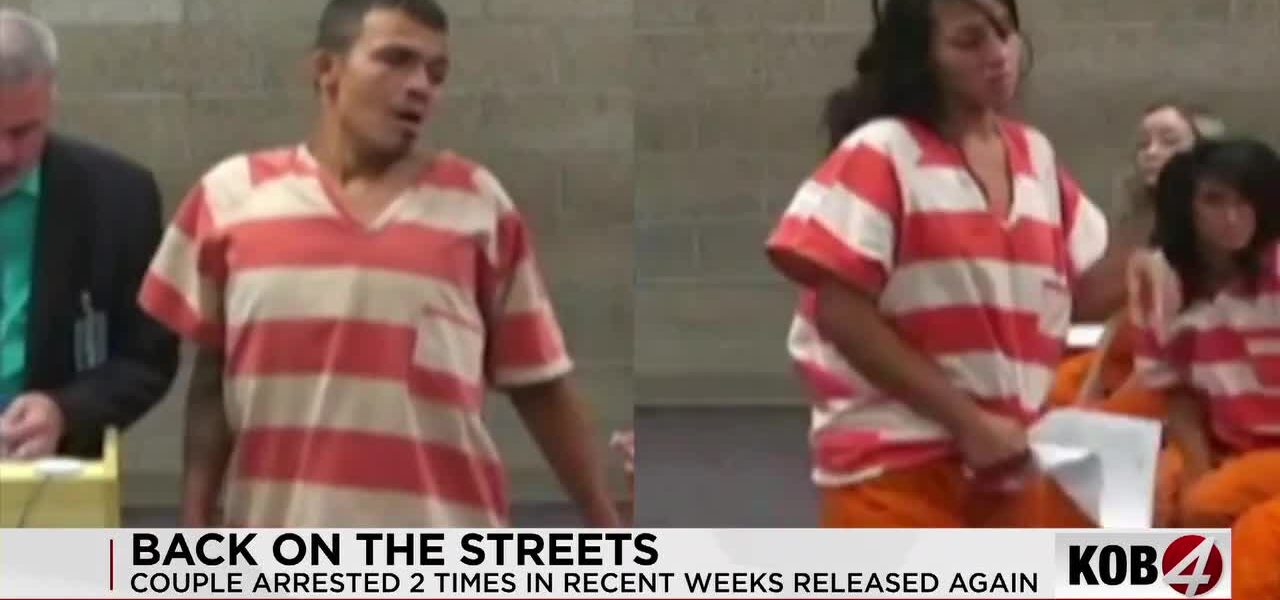
POLICY WIRE — ALBUQUERQUE, N.M. — It wasn’t a daring jailbreak, nor was it some ingenious legal maneuver by a high-priced defense team. Nope, it was just Tuesday. Or maybe Wednesday. For Adrian Prevatt and Kaylyn Reynolds, it’s just another cycle in Albuquerque’s increasingly vexing judicial turnstile: arrested, processed, then released. Again. Police here are tearing their hair out—and honest citizens are probably checking their car locks a third time—as a couple twice caught within weeks, including after an alleged armed robbery, sauntered out of custody. Public trust in the justice system? It’s taking a hammering, quite frankly.
It began with a bait car, a trap for petty thieves, which authorities say snared Prevatt — and Reynolds in late June. Cameras, apparently, had a front-row seat to their alleged light-fingered activities. The police put them away. But a mere week or so later, the duo—whose escapades have taken on a local ‘Bonnie and Clyde’ moniker, though far less romantic or effective—were back in the limelight, for all the wrong reasons. They were allegedly found in a stolen truck, freshly off an armed robbery, flanked by two other suspects. They don’t mess around, these two. And yet, the courthouse doors seem to open wider than a welcoming embrace.
“We’re talking about predominantly repeat offenders, folks who seem to treat our judicial process like a revolving door,” fumed Gilbert Gallegos, spokesperson for the Albuquerque Police Department. His voice carried the distinct edge of a man whose agency expends considerable resources only to see their efforts evaporate. “Whether it’s auto thefts, burglaries, stealing from cars—they’re targeting our people. But they’re not staying in jail, and frankly, this case, it’s a glaring example of exactly what we’re up against.” His frustration? You could bottle it.
New Mexico state law isn’t exactly opaque on this. It demands that suspects, if they’ve violated their conditions of release, stick around behind bars. That’s until a judge—the very judge who greenlit their initial release, no less—can revisit the matter. So, Prevatt — and Reynolds faced Judge Shonnetta Estrada. And she, in what’s become a familiar echo in these halls, released them. Again. With conditions. Conditions that, one might observe, didn’t exactly stick the last time around. The very phrase ‘conditions of release’ is starting to sound a bit like wishful thinking to the general populace.
“The public expects accountability,” stated Albuquerque City Councilwoman Fatima Ahmed, in an interview Policy Wire secured Friday morning. “Our communities, our families, they’re looking for security. When we see suspects, particularly those accused of violent acts or repeat offenses, returned to the street so swiftly, it creates a palpable sense of unease. It chips away at the faith people have in the state’s ability to protect them. And honestly, it puts a significant strain on the fabric of trust between law enforcement and the neighborhoods they serve.” But sometimes, legal technicalities and individual judicial discretion can trump public sentiment. It’s a complicated dance.
This situation isn’t unique to Albuquerque, mind you. Cities across America grapple with judicial reform initiatives—sometimes well-intentioned, often poorly executed—that swing the pendulum between punitive detention and more lenient pre-trial release policies. New Mexico, for example, ranked first in the nation for property crime rates in 2022, a statistic that lends some gravity to Gallegos’s exasperation. What happens when the public feels abandoned by the system they fund? Well, that’s where the deeper cracks begin to show.
📄 POLICY WIRE WHITEPAPER PUBLISHED: PAKISTAN'S NATIONAL SECURITY POLICY PRIORITIES
👉 READ BY CLICKING HEREWhat This Means
This seemingly localized drama featuring Albuquerque’s peculiar ‘power couple’ isn’t just a sensational headline; it’s a stark snapshot of a larger policy conundrum playing out nationally. Politically, the repeated release of accused offenders feeds directly into “tough on crime” rhetoric, emboldening those who advocate for stricter bail laws and diminished judicial discretion. You’ll hear cries for more “law and order” – not just from police but from increasingly anxious residents who watch property crime figures inch higher and wonder when, if ever, their front door is truly secure. But because the progressive wing of the political spectrum champions bail reform to combat systemic inequalities and reduce incarceration rates, you’ve got this fierce policy battle brewing. It’s an economic problem too, by the way. Persistent property crime costs communities millions—in insurance premiums, security investments, and the lost economic activity from residents feeling unsafe. Businesses pull out. New investments dry up. That’s real money, not just abstract numbers.
And consider how this plays globally. In countries like Pakistan or other parts of South Asia, public trust in the judicial system often teeters on a knife’s edge. Perceptions of corruption or systemic leniency for certain individuals can undermine the state’s legitimacy, breeding vigilantism or deepening cynicism about democratic institutions. When justice isn’t seen to be done, when the rules appear to bend for some while snapping for others, societies begin to unravel at the seams. It breeds a certain fatalism, a belief that the system is simply rigged against ordinary folks, regardless of the government’s official pronouncements. There’s a lesson there, you see. If a well-established American judicial system can be perceived as faltering in its primary duty—public safety—what does that signal to fledgling democracies grappling with similar challenges?
This case is more than a footnote in Albuquerque’s police blotter. It’s a barometer of policy, a flashpoint for debate, and a disquieting whisper about the very foundations of community safety and judicial credibility. The street-level friction, the everyday fear of crime, becomes a political football, kicked between different ideologies and interests, often at the expense of those who just want to sleep soundly at night.