


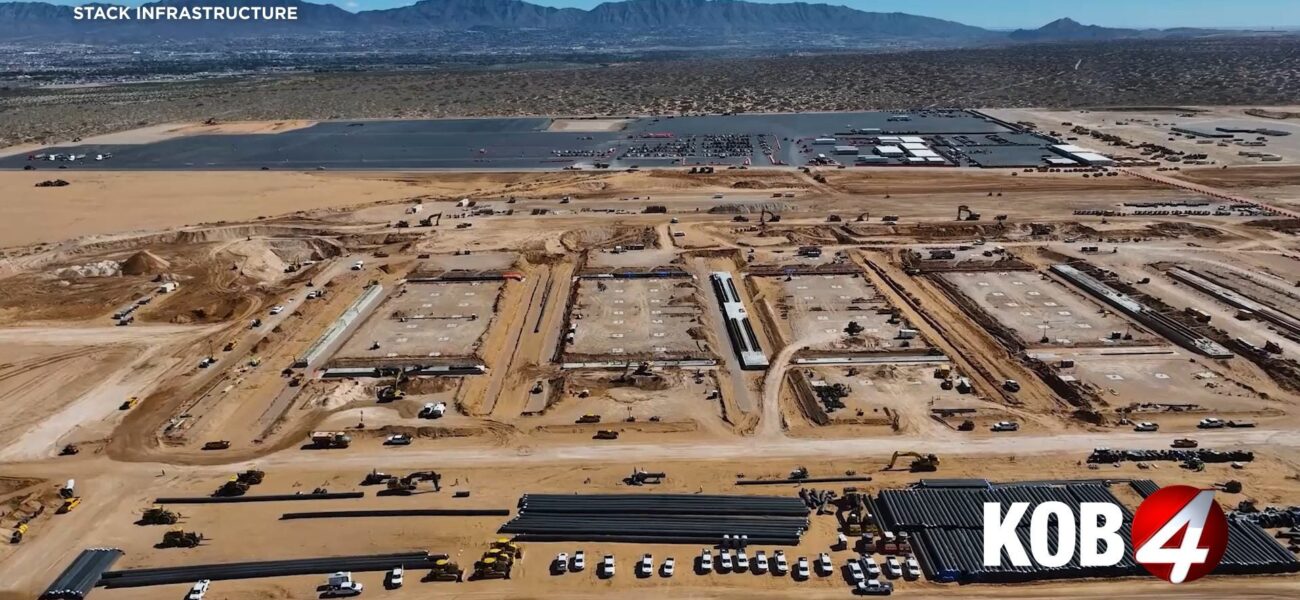
Desert Dilemma: New Mexico Stalls ‘Project Jupiter,’ Sending Ripples Through AI’s Energy Footprint
POLICY WIRE — Santa Fe, N.M. — The future of artificial intelligence, it seems, isn’t just about silicon and algorithms; sometimes, it boils down to the hard choices over natural gas lines...

POLICY WIRE — Santa Fe, N.M. — The future of artificial intelligence, it seems, isn’t just about silicon and algorithms; sometimes, it boils down to the hard choices over natural gas lines slicing through state lands. Because for all the talk of digital frontiers, the real-world implications, especially on local resources, are starting to hit home. It’s a classic American struggle, really: grand ambition against quiet conservation. But this time, it’s AI – — and its colossal appetite – at the center.
In a move that’s sending something of a jolt through the tech world, New Mexico’s land commissioner recently stood her ground. She formally refused a significant request that would have allowed a section of a natural gas pipeline – you know, the kind needed to power those ever-thirsty data centers – to traverse state lands. Specifically, this was about feeding the so-called Project Jupiter data center. But this wasn’t some sudden outburst. The denial from Commissioner Stephanie Garcia Richard, outlined in a July 14 letter, followed an earlier rejection back in March. The request? A reconsideration from Energy Transfer, a company subsidiary with stakes in the Project Jupiter developer. She simply wasn’t having it.
It was a clear, concise refusal, essentially slamming the door on their proposal for two rights-of-way and a business lease. This little slice of infrastructure, just 0.6 miles of a much longer 17-mile natural gas pipeline, would’ve snaked through state property. Garcia Richard, bless her practical heart, wasn’t mincing words. She was concerned, she said, with “high greenhouse gas emissions” – the kind that fuel climate conversations on every continent, from Europe to the arid stretches of South Asia – and “the expected strain” on New Mexico’s precious natural resources, water especially. You can’t build a digital empire if you’re drying out the actual land, can you?
She laid it out pretty plain: [QUOTE_PLACEHOLDER] There it’s. A direct challenge to the often-unseen environmental cost of our digital age. And she wasn’t done. “I am once again rejecting Energy Transfer’s request because the proposed natural gas pipeline appears to offer very little benefit to the State Land Office’s beneficiary institutions, the local community or New Mexico as a whole. It’s my duty to protect state trust lands and New Mexicans from proposals that appear to offer more obvious risks than benefits.” That’s a commissioner speaking her mind, plain — and simple.
This isn’t an isolated incident, not by a long shot. Data centers, those behemoths of our digital economy, have found themselves under intense scrutiny – not just in the dusty corners of New Mexico but across the U.S. Just this week, New York became the very first U.S. state to clap down a statewide moratorium on new data centers. A breathing room, if you will, to hash out some much-needed regulations. It’s almost as if everyone collectively realized these things aren’t just magically running on good intentions. Even Santa Fe County here recently approved its own moratorium, mirroring the statewide sentiment and ratcheting up the stakes.
This pushback, you see, isn’t some niche environmentalist stance. It’s a pragmatic recognition that endless technological expansion carries a real price. For example, data centers already suck up about 1-2% of global electricity consumption, a figure expected to balloon significantly as AI becomes more pervasive, according to reports by organizations like the International Energy Agency (IEA). They also require gargantuan amounts of water for cooling – sometimes millions of gallons daily. You’d think, given the global climate challenges, we’d be a bit more thoughtful about our carbon footprints and water withdrawals, wouldn’t you?
📄 POLICY WIRE WHITEPAPER PUBLISHED: PAKISTAN'S NATIONAL SECURITY POLICY PRIORITIES
👉 READ BY CLICKING HEREAnd where does this ripple? All the way to places like Pakistan or other emerging economies in South Asia. They’re experiencing their own frenzied digital transformation, desperate to build out IT infrastructure. But these nations, already teetering on the edge of severe water scarcity and facing acute energy shortages – sometimes grappling with inconsistent power grids that stretch for hours each day – will face even starker choices. Do they chase the digital dream, come what may for their finite resources, or do they adopt a more cautious, New Mexico-style approach? Because those same environmental calculations? They don’t just stop at a border or a sea. You see a clear reflection of this sort of local contention mirroring a much broader, global argument over resources and growth, much like street-level friction that can erupt from global flashpoints. This decision, it’s an acknowledgement.
What This Means
This isn’t merely a localized squabble over a bit of pipeline. Oh no. This New Mexico decision is a stark, public rejection of unbridled technological expansion at the local expense of environmental health. For states and counties struggling with strained water tables and commitments to curb emissions, it establishes a compelling precedent. Developers can’t just roll in with grandiose tech dreams; they’ve got to prove a tangible benefit to the locals, or they’ll face roadblocks. This increases project costs — and extends timelines significantly. But, more significantly, it spotlights how governments—at every level—are getting far more savvy about the massive resource demands of AI infrastructure. It signals a hardening political landscape for energy-intensive industries, meaning future projects will face intense scrutiny, requiring more detailed environmental impact assessments and transparent community benefit analyses.
Economically, this is a double-edged sword. While it protects local resources, it could also make these regions less attractive for big tech investments, potentially pushing these developments toward areas with less stringent regulations – or perhaps even inspiring new innovations in green data center technology. We’re talking about a slow, difficult realignment of corporate strategies, forcing companies to bake sustainability into their planning, rather than seeing it as an afterthought. It shifts the burden of proof, you know, — and makes ‘business as usual’ just a bit harder.