
Ancient Land, Modern Battle: Navajo Nation Squares Off Against Presidential Reversals on Sacred Sites
POLICY WIRE — WINDOW ROCK, Ariz. — Another election cycle, another presidential decree attempting to redraw the lines of American history—literally. But this ain’t just about boundaries on a...

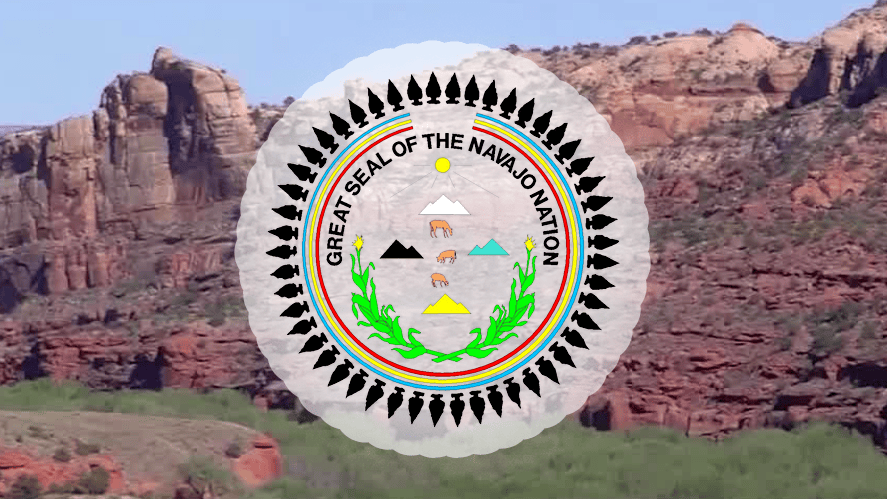
POLICY WIRE — WINDOW ROCK, Ariz. — Another election cycle, another presidential decree attempting to redraw the lines of American history—literally. But this ain’t just about boundaries on a map. This latest squabble finds the Navajo Nation council digging in its heels once more, issuing a blunt declaration of “strong opposition” to proposals from former President Donald Trump to slash Utah’s Bears Ears and Grand Staircase-Escalante National Monuments. It’s a re-run of a drama we’ve seen before, only with the stakes as high as the canyon walls themselves.
It was only a few rotations of the sun ago, back in 2021, when President Joe Biden swept in to reverse Trump’s earlier cuts to these very same cherished landscapes. That’s the federal bureaucracy for you—a never-ending game of legislative tug-of-war played out on land that predates any republic or presidency. But for the Navajo — and other tribal nations, this isn’t just policy; it’s legacy.
The Council’s recent statement came just a day after Trump floated executive actions that would gut both monuments by a staggering amount—reportedly nearly 90% each, according to federal reports detailing the proposals. It’s an echoing blow to what the tribes see as an established commitment. Back in 2017, they had thrown their unanimous support behind the creation of Bears Ears. They know the script; they’ve lived this story, unfortunately, more times than they care to count.
“These aren’t just patches of dirt, you know?” declared Speaker Crystalyne Curley, her voice carrying the weight of generations, “They’re living libraries of who we’re, holding our stories, our prayers, everything. Messing with them isn’t just about land; it’s about trying to erase us. We’ve championed Bears Ears’ protection through actual, meaningful engagement, and we simply won’t stand by as protections are stripped away and tribal voices diminished. It’s unacceptable.”
Her sentiment isn’t an isolated whisper in the wind. Delegate Yanito wasn’t mincing words either, cutting straight to the heart of the government’s obligations. “Look, the feds have a duty, a sacred trust, really. They can’t just run roughshod over our history,” Yanito asserted. “We’ll keep hammering home the point: true consultation means listening, not just nodding politely before doing whatever they wanted anyway. Our ancestral homelands demand respect.” It’s a perpetual challenge for indigenous communities, from the ancient ruins of Gandhara in Pakistan grappling with infrastructure development to sacred lands in North America battling corporate or political encroachment—the question of who truly owns, or rather, who stewards, history and nature. Often, the voice of ancestral inhabitants is drowned out by the roar of the current administration.
The council reiterated its unwavering stance: protection of national monuments, unwavering support for tribal partners, and ceaseless advocacy for sacred sites, archaeological wonders, wildlife, and the sweeping vistas that define these landscapes for all who come after. It’s an appeal, frankly, to basic decency, but it’s also a strategic reminder of ongoing governmental responsibilities.
📄 POLICY WIRE WHITEPAPER PUBLISHED: PAKISTAN'S NATIONAL SECURITY POLICY PRIORITIES
👉 READ BY CLICKING HEREWhat This Means
This isn’t just a local spat over dirt — and rocks; it’s a microcosm of deeper American political battles. Because, let’s be real, monument designations and subsequent reductions are rarely about conservation purity; they’re often thinly veiled proxies for resource extraction—think oil, gas, minerals—and land-use philosophies. A reduction opens up areas previously shielded, offering them up to industry. And for tribes, it’s yet another slap in the face regarding sovereignty and the solemn government-to-government trust relationship, a bond that’s more often honored in speeches than in practice.
Politically, the Navajo Nation’s proactive condemnation sends a clear message: should Trump return to the White House, he can expect immediate, vigorous resistance on these land issues. It sets up an immediate policy confrontation, making monument protection a litmus test for indigenous relations from day one of any new conservative administration. The economic implications ripple out too; for local communities, monument status can bolster tourism, bringing in dollars from outdoor enthusiasts. Conversely, opening lands for extractive industries might generate different revenue streams, but often at an environmental and cultural cost to indigenous peoples, who, ironically, are often disproportionately affected by resource degradation. It’s a stark reminder that land is never just land; it’s identity, economics, — and political power wrapped into one.
The cyclical nature of these policy decisions also fosters instability. You can’t build long-term conservation or economic development plans when the very definition of “protected land” hangs precariously on the whims of a new presidential signature. For the Navajo, for the people who call these lands sacred, it’s more than frustrating; it’s an existential threat. They’ll keep fighting, obviously. The question isn’t their resolve, but whether Washington—any Washington—will ever truly listen.