
Kyiv’s Latest Gambit: The Drone Accord, High Stakes, and Europe’s Shifting Balance
POLICY WIRE — Kyiv, Ukraine — Nobody, not really, expects European Commission President Ursula von der Leyen to pack her bags for Kyiv to sign autographs. Her unannounced trek this week wasn’t...

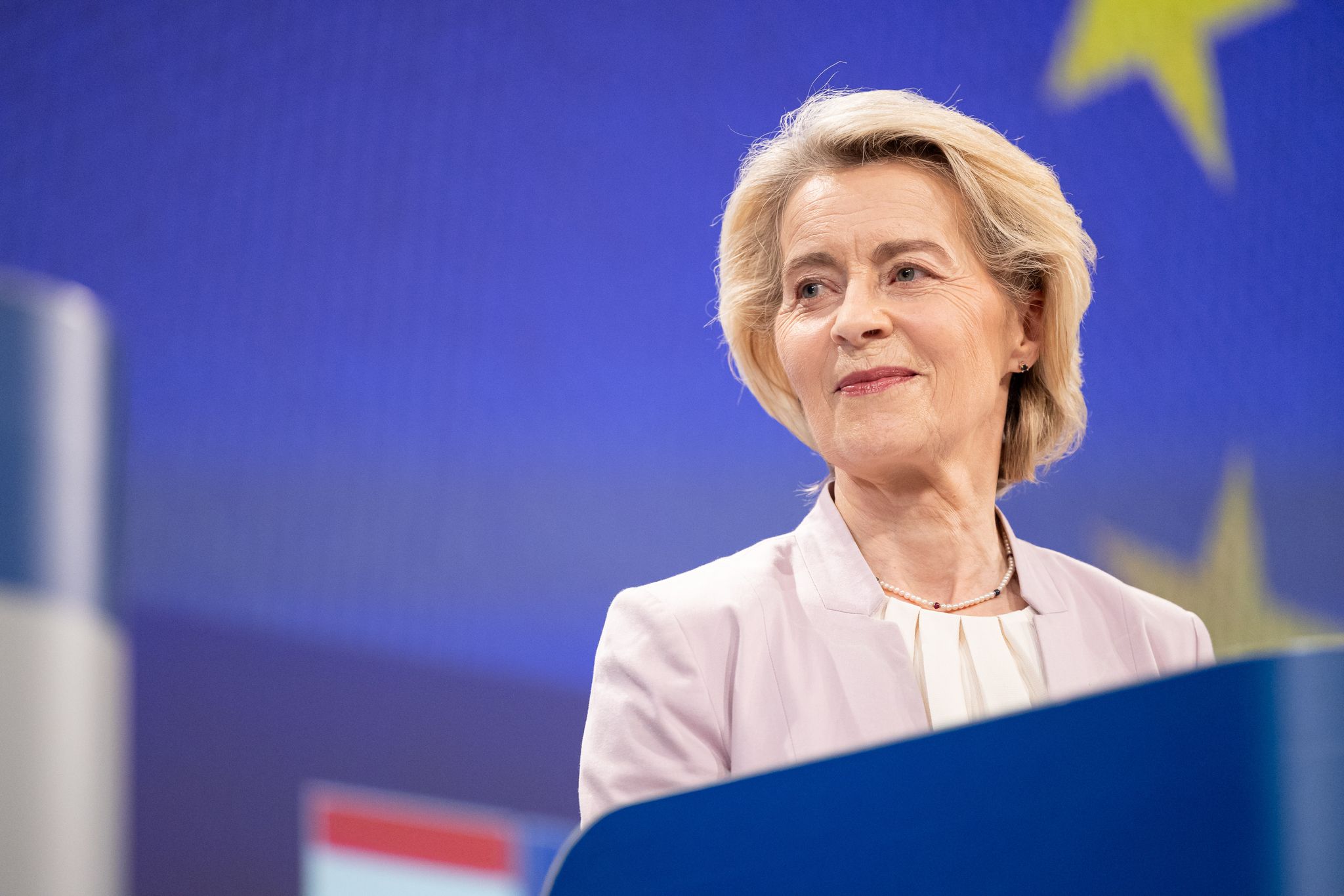
POLICY WIRE — Kyiv, Ukraine — Nobody, not really, expects European Commission President Ursula von der Leyen to pack her bags for Kyiv to sign autographs. Her unannounced trek this week wasn’t about celebrity. It was about something far grittier: drones. An accord, apparently, to kickstart an unprecedented EU-Ukraine drone industry. But here’s the kicker: this isn’t just about Ukraine’s immediate defense. It’s a sharp, almost cynical pivot for a European bloc that once debated tanks as if they were bespoke garden ornaments.
Because let’s be honest, the drone is the ugly, indispensable star of modern warfare. And Kyiv’s ongoing plea for “more, faster, better” has finally, finally, landed with the bureaucratic muscle of Brussels. Von der Leyen’s visit wasn’t just a show of solidarity; it felt more like an expedited merger meeting for the continent’s budding military-industrial complex. She called it a move towards “shared security architecture,” which, translated, means “we’re all in this mess now.” And frankly, who can argue?
The deal aims to — get this — synchronize research, production, and procurement of Unmanned Aerial Vehicles (UAVs). Fancy words for “let’s build a whole lot of these things, together, right now.” EU member states have already pledged substantial sums; in 2023 alone, European nations committed an estimated $85 billion in military and financial assistance to Kyiv, according to the Council on Foreign Relations, eclipsing U.S. contributions for the first time. But this drone push is different. It’s less about charity — and more about reshaping continental manufacturing, even military doctrine. You’d think Europe had just discovered gunpowder. Well, in a way, they just discovered what it really feels like when that gunpowder is headed their way.
“Europe must become its own master in defense,” Von der Leyen declared from a secure location within Kyiv, the implication heavy as a winter fog. “This joint venture on drones is a testament — no, a demonstration — of that deepening conviction. We aren’t just sending aid; we’re forging industrial muscle.” You could almost hear the rustle of defense contractors’ order books expanding from Brussels all the way to Berlin. President Volodymyr Zelenskyy, standing stoically beside her, echoed the sentiment, albeit with more immediate battleground focus. “These aren’t just flying machines; they’re the eyes and fists of our defense,” he said, his usual intensity undimmed. “Our partnership with the EU means not just today’s survival, but tomorrow’s sovereignty — with the best technology our combined strength can produce.” He’s right, of course.
But the true complexity of this maneuver goes far beyond the Eastern Front. It hints at Europe’s creeping disengagement from Washington’s security apron strings — a sentiment whispered, then spoken, then shouted across capitals ever since the Trump administration. It’s a calculated gamble that — perhaps — finally puts teeth into the idea of “European strategic autonomy.” Or maybe it’s just plain pragmatism, born from sheer fright.
And where does this new drone obsession resonate beyond Ukraine? Everywhere, turns out. The rapid evolution of drone warfare in Europe will certainly cast a long shadow, forcing a recalculation of defense strategies across the globe. Just look at the “Ghost Fleet” in the Arabian Sea, where Iran’s oil tankers, utilizing similar evasive — if not technically drone — tactics, have turned towards nations like Pakistan amid U.S. blockades. It’s not just about what you send into the sky; it’s about how you adapt to — and learn from — an increasingly technological battlespace. This shift forces countries, Pakistan among them, to assess their own defense manufacturing, procurement strategies, and how they navigate these global tech transfers without becoming either beholden or, worse, vulnerable. It’s a very messy equation, — and nobody’s got a clear answer yet.
What This Means
This drone accord isn’t a mere policy update; it’s a recalibration of Europe’s geopolitical weight. Politically, it signals a deeper, almost existential commitment to Ukraine, tethering its economic and defense future irrevocably to the EU. It’s a message to Moscow, yes, but also to Beijing — and, perhaps most profoundly, to Washington — that Europe intends to chart its own course in security matters, a course paved with advanced technology. Economically, this isn’t just about boosting wartime production; it’s an industrial strategy. Think new factories, skilled jobs, — and a shift in R&D focus, particularly in Central and Eastern Europe. But — and this is a big ‘but’ — the scale of ambition here will strain budgets and require an unprecedented level of integration between defense sectors accustomed to operating in silos. The goal isn’t just to make drones; it’s to remake an entire economic mindset, pivoting towards a “war economy” mentality that Europe had largely jettisoned after 1945. Whether the bureaucratic inertia can match the geopolitical urgency, well, that’s the multi-billion-dollar question, isn’t it?