


Old Money, New Icons: Royal Birkdale’s Quiet Play for Global Golf’s Future
POLICY WIRE — SOUTHPORT, England — You don’t often find redemption arcs woven into the starchy fabric of British golf’s grand old establishments, but sometimes, a narrative just writes...

POLICY WIRE — SOUTHPORT, England — You don’t often find redemption arcs woven into the starchy fabric of British golf’s grand old establishments, but sometimes, a narrative just writes itself. Forget the immediate headline about gilded memberships; let’s talk about coming back from the brink, literally. In 1998, a gawky 17-year-old Justin Rose—fresh off a blistering fourth-place finish at The Open, a performance for the ages—turned pro. What followed? A brutal string of 21 missed cuts, a spiral that saw him drive back to Royal Birkdale in 2000, too gut-punched to even get out of the car. He’d crashed. Hard.
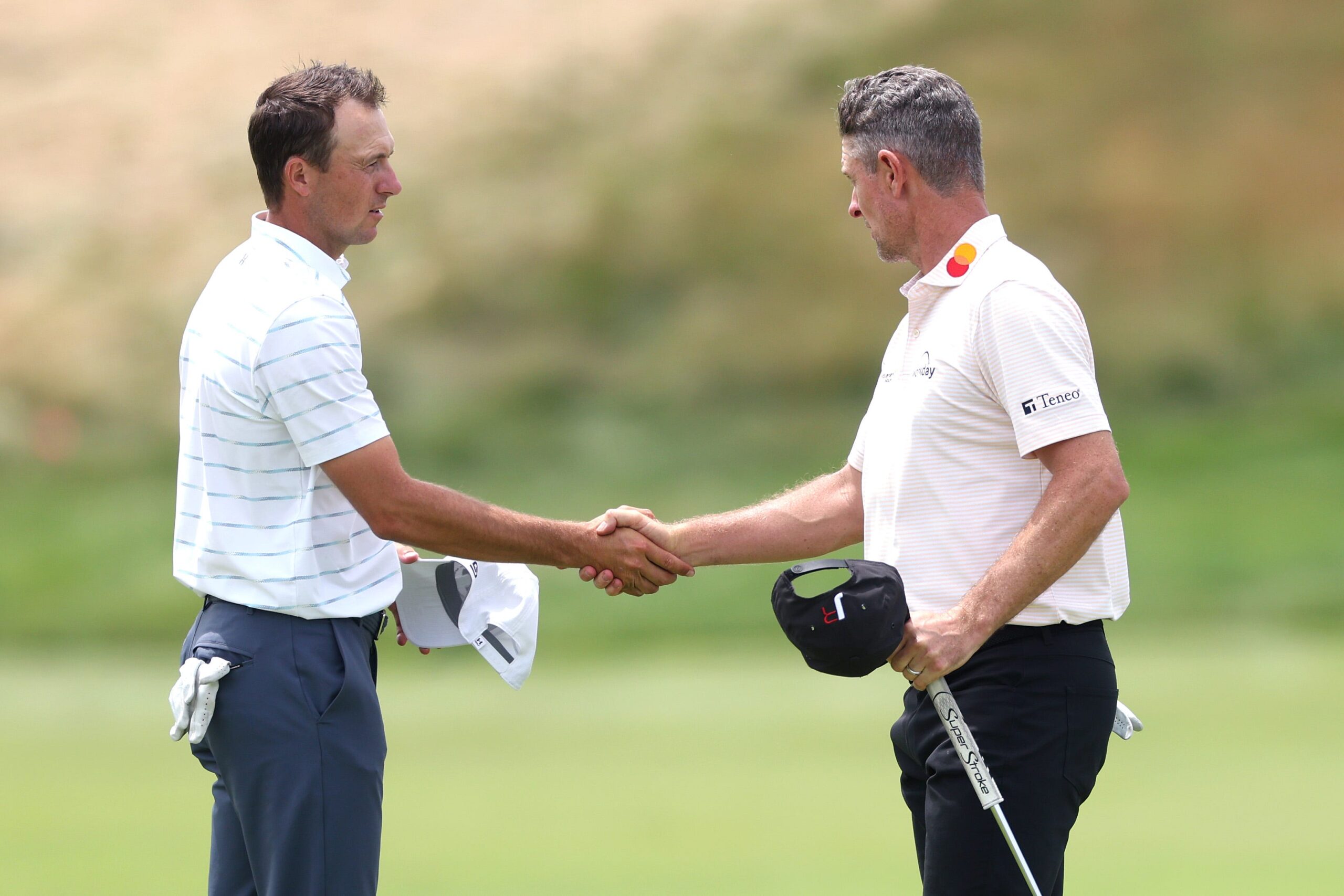
Twenty-six years later, that same Birkdale, an august institution more accustomed to quiet deference than dramatic turnarounds, decided to give him a symbolic embrace. Along with American wunderkind Jordan Spieth, Rose was recently anointed an honorary member. But this isn’t just about handing out fancy ties. It’s a deft, understated move by a venerable club — one of the precious few places that still holds the 154th British Open championship every few years — to burnish its own appeal in an increasingly competitive, globally-minded sporting landscape.
It’s always been about prestige, yes, but now it’s also about global branding. These storied grounds, the keepers of golf’s hallowed past, are quietly—and I mean quietly—signaling their enduring relevance, perhaps even casting a subtle net beyond Europe’s familiar shores. You know, to those emerging economies where a burgeoning middle class now chases sports tourism and investment opportunities. Think Gulf states, sure, but also nations like Pakistan, where golf’s profile, while still nascent, has seen steady investment in facilities, particularly around larger metropolitan areas like Lahore and Karachi, reflecting a regional hunger for modern recreational pursuits.
Spieth, for his part, conquered Birkdale in 2017 with one of those truly legendary back-nine charges, turning an almost certain meltdown into a three-shot victory. That day, after his miraculous recovery on the 13th led to a birdie-eagle-birdie-birdie stretch, he confessed it was “as much of a high as I’ve ever experienced in my golfing life.” And Rose, reflecting on his 1998 breakthrough: “There’s no bigger buzz I’ve ever experienced than that moment on the 18th green when that pitch shot went in.” They’re both giants in the game, champions, and crucially, they’ve both carved out unforgettable moments on Birkdale’s links.
Because that’s what this place traffics in: moments. They understand that to secure future relevancy, you’ve got to tie your name to the guys who generate those electric, money-can’t-buy narratives. Royal Birkdale isn’t just honoring two pros; they’re subtly buying a piece of their indelible legacies, integrating them into the very fabric of the club’s legend. It’s a reciprocal agreement, you see. The players get lifetime access, the club gets to say, “These legends are *ours*.”
“We’re not just maintaining history, we’re building it anew, every championship, every shot,” explained Arthur Penhaligon, Birkdale’s longtime club secretary, his voice carrying the gravitas of someone who’s witnessed decades of swings and missed putts. “Having such remarkable players join our family simply strengthens that narrative. It keeps the fire alive, doesn’t it?” And he’s got a point. It’s less about a ‘thank you’ — and more about continued value proposition. You can imagine the impact this sort of institutional prestige has in, say, securing future tournaments or attracting a certain calibre of international membership.
Just look at the broader global sports market; it’s an ecosystem driven by celebrity, narrative, and aspirational luxury. From the astronomical sums tied to player endorsements to the escalating value of broadcast rights, it’s a colossal industry. By making players like Spieth and Rose honorary members, Birkdale is shrewdly associating its venerable brand with these globally recognizable names. It’s a play right out of the ‘soft power’ handbook, attracting attention not through overt marketing, but through a dignified affiliation that quietly suggests enduring quality and high-stakes performance, rather like how LeBron James’s movements influence the NBA’s global footprint.
What This Means
This gesture, seemingly a simple nod to sporting achievement, holds deeper implications for the business of golf and national brand building. Economically, aligning with elite athletes elevates Birkdale’s cachet, potentially boosting its appeal for international corporate events, high-end tourism, and, yes, even membership from wealthy individuals across Asia and beyond. Politically, sports victories—and the institutions that host them—become subtle instruments of soft power, burnishing a nation’s image on the world stage. England’s continued role as a prime venue for global sports isn’t just about its infrastructure; it’s about its history, its character, and its ability to consistently draw the biggest names and stories. That matters.
For players like Rose, who tasted profound disappointment before soaring, this is more than an honor; it’s confirmation that the journey, with all its gut-wrenching lows, was worth every agonizing step. For Spieth, it’s a lifetime pass to a place where he conjured magic. For Birkdale, though, it’s about a quieter, more enduring calculus. They’re buying into the legend, betting that by associating themselves with these indelible figures, they secure their own legacy in an ever-shifting sporting and commercial landscape for decades to come.