


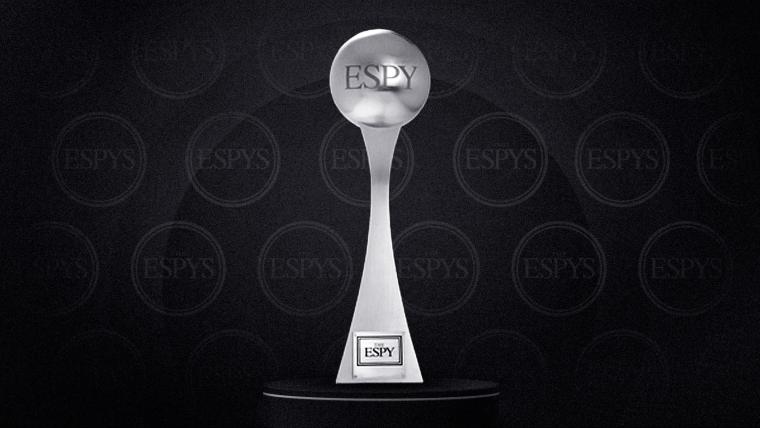
ESPYs 2026: The Pomp, The Player, and the Price of Manufactured Glamour
POLICY WIRE — New York, USA — It’s July, so you know what that means. The summer doldrums, and, of course, the grand coronation of athletic prowess: the ESPY Awards. For the 2026 iteration,...

POLICY WIRE — New York, USA — It’s July, so you know what that means. The summer doldrums, and, of course, the grand coronation of athletic prowess: the ESPY Awards. For the 2026 iteration, slated for July 15th at the David H. Koch Theater—a venue usually reserved for the refined pirouettes of ballet, not the boisterous fanfare of sports—the spectacle promises its usual blend of glitzy tributes and competitive self-congratulation. And why wouldn’t it?
Because while the press releases gush about celebrating “the greatest moments from a spectacular year in sports,” the actual, brass-tacks business is far less poetic. This isn’t just about Jalen Brunson (nominated for everything from “Best Athlete, Men’s Sports” to “Best Championship Performance”), Lionel Messi, or even Shohei Ohtani. It’s about eyeballs, advertising revenue, and maintaining the lucrative illusion that sport’s highest calling is best measured by prime-time television.
ABC will be broadcasting the event, as usual. Folks can stream it, too—fuboTV and the ubiquitous ESPN app are your digital gateways. Marcello Hernandez, an actor and comedian, is slated to host, a choice that no doubt aims to inject some much-needed levity into what can often feel like a very earnest, very long infomercial. The whole affair kicks off at 8 p.m. ET. One gets the feeling network executives aren’t just selling sport; they’re selling the *idea* of sport, polished and packaged for mass consumption.
“The ESPYs represent the nexus of athletic achievement and cultural resonance,” commented Amanda Harrison, Senior Vice President of Content Strategy at a major sports broadcasting conglomerate, in a statement designed for public consumption. “We’re not just showcasing highlights; we’re crafting narratives that captivate millions, driving engagement and—critically—delivering immense value to our partners.” Translation: advertising slots go for top dollar. Lots of money at stake.
But how much narrative does a global audience truly ingest? For countless millions across the globe, particularly in places like Pakistan and other South Asian nations, the direct experience of these U.S.-centric sporting events—beyond the fleeting clips on social media—remains a distant hum. Their passion for sport, however, is undeniable; often more localized, certainly less tethered to corporate sponsorship. Think street cricket, neighborhood football rivalries. Very different vibe. But the universal language of athletic aspiration—that’s something else entirely. Global viewership for major sporting events, for instance, has been trending upwards, with projections estimating the global sports media market to hit $169.21 billion by 2026, according to Business Research Company data. And a significant portion of that growth often originates from developing economies.
And yet, an athlete from Karachi making waves in squash or an Olympic medalist from Dhaka probably won’t find themselves on stage at Lincoln Center receiving an “ESPN Athlete of the Year” trophy. The global reach of these events is undeniably skewed, culturally speaking. It’s an American institution, built for American markets, but with a growing awareness of its peripheral audiences. We’re celebrating stars most relevant to one commercial ecosystem. Not necessarily the only ones that matter.
📄 POLICY WIRE WHITEPAPER PUBLISHED: PAKISTAN'S NATIONAL SECURITY POLICY PRIORITIES
👉 READ BY CLICKING HERE“Look, I’m glad to see my peers recognized,” offered Dr. Anya Sharma, a retired Olympic gymnast — and outspoken advocate for athlete welfare. “But sometimes, these ceremonies feel less about sport — and more about celebrity. We’ve got incredible stories in every corner of the world, in sports you’ll never see broadcast. Are we celebrating the best athletes, or the most marketable ones?” A fair point, that.
What This Means
The 2026 ESPY Awards, for all its pomp, is a mirror reflecting the deeper currents within the global sports-industrial complex. Economically, it reinforces the established order, funnelling advertising dollars to broadcasters and validating sponsor investments. For the networks, it’s a non-live sporting event, sure, but a tentpole in the annual calendar, a consistent, predictable draw during an otherwise slow news cycle. It legitimizes player brands, turning athletic excellence into social currency, which then drives endorsements, media appearances, and even broader fan engagement (hello, fantasy sports!). But don’t think it’s all selfless celebration. This is big business. Very big business. It reinforces an often-narrow, Western-centric vision of athletic achievement. As global media consumption shifts and as indigenous sports rise in prominence in regions like South Asia, these established awards face a subtle, long-term challenge: remain relevant to an increasingly diverse and fragmented audience. Will the ESPYs ever truly globalize, or will they simply continue to capitalize on the existing—and well-monetized—superstar firmament? That’s the real game.
But for now, get ready for Wednesday night. The best of the best will be there. Or, at least, the most televised. And don’t forget, athlete power dynamics continue to be a significant topic off-screen, regardless of who takes home a trophy.