


The Brutal Calculus of Glory: Barça’s Pre-Season Kicks Off Amidst World Cup Highs and De Jong’s Deepening Shadow
POLICY WIRE — Dallas/Barcelona — Spain’s jubilant dance onto the FIFA World Cup Final stage wasn’t without its cost. While Mikel Oyarzabal and Pedro Porro etched their names into national...

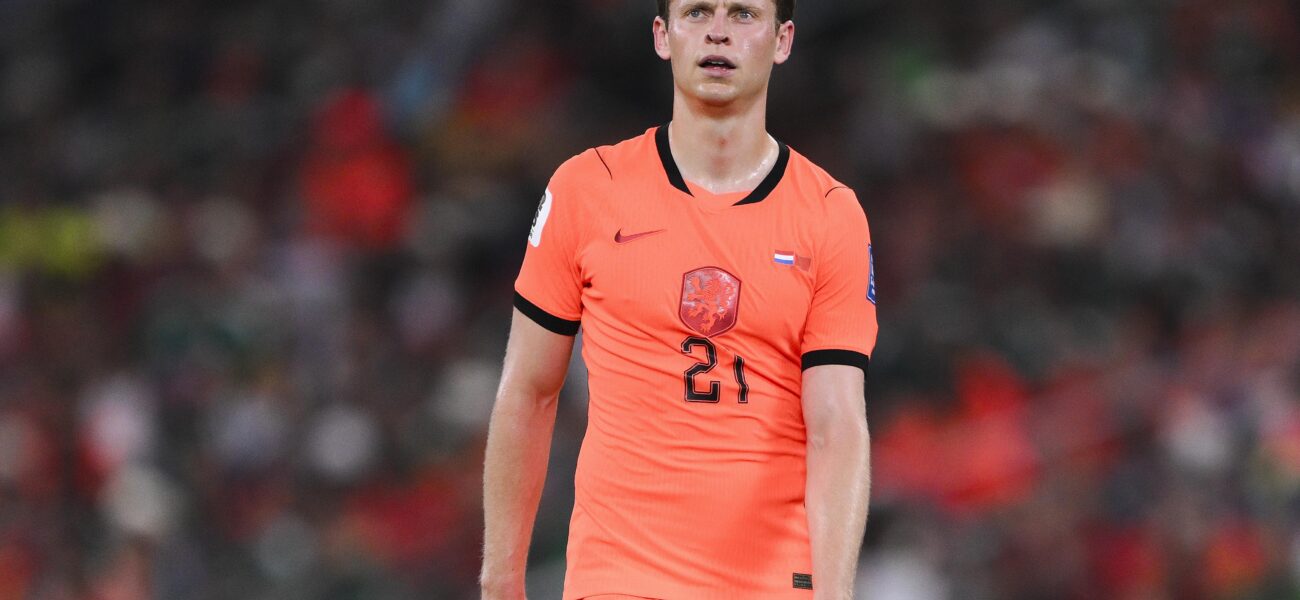
POLICY WIRE — Dallas/Barcelona — Spain’s jubilant dance onto the FIFA World Cup Final stage wasn’t without its cost. While Mikel Oyarzabal and Pedro Porro etched their names into national legend, delivering a commanding 2-0 semi-final win over France in a sweltering Dallas Stadium—a feat enough to bring even the most jaded monarchist out in a flutter—another narrative unfurls, a darker thread in football’s increasingly frayed fabric. It’s the story of the grind. And for Frenkie de Jong, it looks suspiciously like the end of his year. Possibly more.
Because just as Spain celebrated a monumental win, word broke that Barcelona’s midfield maestro, the Dutchman who played through what sources call an existing injury during the World Cup, could face up to four months sidelined. That’s a potential major knee issue, according to early reports from Madrid-based sports daily Marca. You don’t have to be a medical professional to know that four months isn’t a sprain, it’s a shutdown. It means Flick, the new tactician, starts his tenure already staring down a potentially cavernous hole in his midfield—a position the club’s been trying to properly staff since, well, forever.
Meanwhile, the corporate machinery of FC Barcelona clanked into motion this week. Medics poked and prodded on Monday, and then Tuesday, Hansi Flick’s fresh charges hit the Ciutat Esportiva pitches for their inaugural 2026/27 preseason workout. Elche for their opening La Liga bout—the dates are set. But what’s a fresh start, a clean slate, when your biggest asset’s meniscus is apparently arguing with itself? Not to mention, your star striker just high-tailed it across the Atlantic.
But let’s be frank, modern football doesn’t pause for individual aches or departing legends. The gears grind on. Lewandowski, that towering Polish forward, who once declared, “I didn’t want to play for any team in Europe other than Barça,” found himself training with his new Chicago Fire teammates on Tuesday. Such are the solemn vows of today’s game—transfer fees and contract length often trump romanticized loyalty. His US debut, potentially against Thomas Müller’s Vancouver Whitecaps, marks another data point in football’s expanding, borderless economy. Clubs are not just sports teams; they’re multinational enterprises. They’ve got global fanbases, including fervent followings across Pakistan and the broader South Asia, where dreams of donning European colours compete only with the domestic passion for cricket. [The Price of the India Cap] This diaspora of fandom fuels immense broadcast deals and merchandise sales, far beyond Europe’s confines.
Flick, bless his pragmatic soul, now faces the twin task of injury mitigation — and squad construction. “The intensity of the modern game, with its unrelenting schedule of club and international fixtures, presents an extraordinary challenge to player welfare,” commented a seemingly weary Hansi Flick from the Ciutat Esportiva, speaking on the broader calendar, not specifically De Jong. “It’s a brutal calculation: performance versus physical resilience. We always prioritize our players, but we also operate in a competitive landscape where every match, every tournament, carries immense weight.” His plans, initially focused on offensive reinforcement, have been significantly recalibrated. Gerard Martín’s progress, a home-grown Catalan defender, had made the hierarchy keen on bolstering the attack. Now, with a potentially shattered midfield, the calculus changes.
📄 POLICY WIRE WHITEPAPER PUBLISHED: PAKISTAN'S NATIONAL SECURITY POLICY PRIORITIES
👉 READ BY CLICKING HEREYoungsters like Tommy Marqués, a reserve team midfielder who caught Flick’s eye last season, are suddenly much more than training fodder. If Alex Casadó moves on, Marqués isn’t just an option—he’s an emergency button. It’s an economy of human capital, where one player’s injury often represents another’s unexpected opportunity. But this constant strain has real consequences. According to a recent report by KPMG Football Benchmark, clubs in Europe’s top five leagues lost an estimated €580 million in player value due to injuries during the 2024-25 season alone. These aren’t just names on a team sheet; they’re financial assets, and their downtime is a direct hit to the balance sheet. And it’s not just the elite. Lower leagues, reliant on smaller squads — and tighter budgets, feel the sting even more acutely.
What This Means
This microcosm of Barcelona’s pre-season is really just a reflection of football’s broader, almost unsustainable, operational model. It’s a dance between nationalist pride—witnessed vividly in Spain’s World Cup campaign [Spain Pauses for a Kick]—and globalized finance. The political implication? Governments, leagues, and international bodies continually butt heads over player workload, revenue distribution, and the commercial exploitation of the game. For players, their careers are increasingly transactional, often cut short or compromised by a calendar that views human bodies as interchangeable parts in a hyper-optimized machine. The economic fallout from long-term injuries isn’t just about lost match days; it impacts transfer values, sponsorship deals, and ultimately, a club’s long-term competitive health. It’s a high-stakes gamble, always. The fact that the most celebrated teams are facing this exact dilemma, right at the start of a fresh campaign, tells you everything you need to know about where football really stands in the summer of 2026. A perpetual state of controlled chaos, fueled by relentless demands.