


Kenya’s Ganja Gamble: Court Rejects Rastafarian Rights, Echoes of Colonial-Era Bans Linger
POLICY WIRE — Nairobi, Kenya — It wasn’t the first time the old ways clashed head-on with new laws—or rather, very old, colonial-era laws still firmly in place. Not by a long shot. The rumble...

POLICY WIRE — Nairobi, Kenya — It wasn’t the first time the old ways clashed head-on with new laws—or rather, very old, colonial-era laws still firmly in place. Not by a long shot. The rumble began not with cannabis itself, but with the fervent, deeply personal belief systems of a small community, a vibrant minority in a nation grappling with its diverse heritage. Kenya’s High Court, by dismissing a petition from Rastafarian groups seeking to decriminalize marijuana for spiritual and medicinal use, didn’t just uphold a statute; it threw a wrench into an ongoing, global debate about individual freedom, religious practice, and the state’s stubborn grip on what its citizens can, or cannot, consume. Some might say it was hardly surprising.
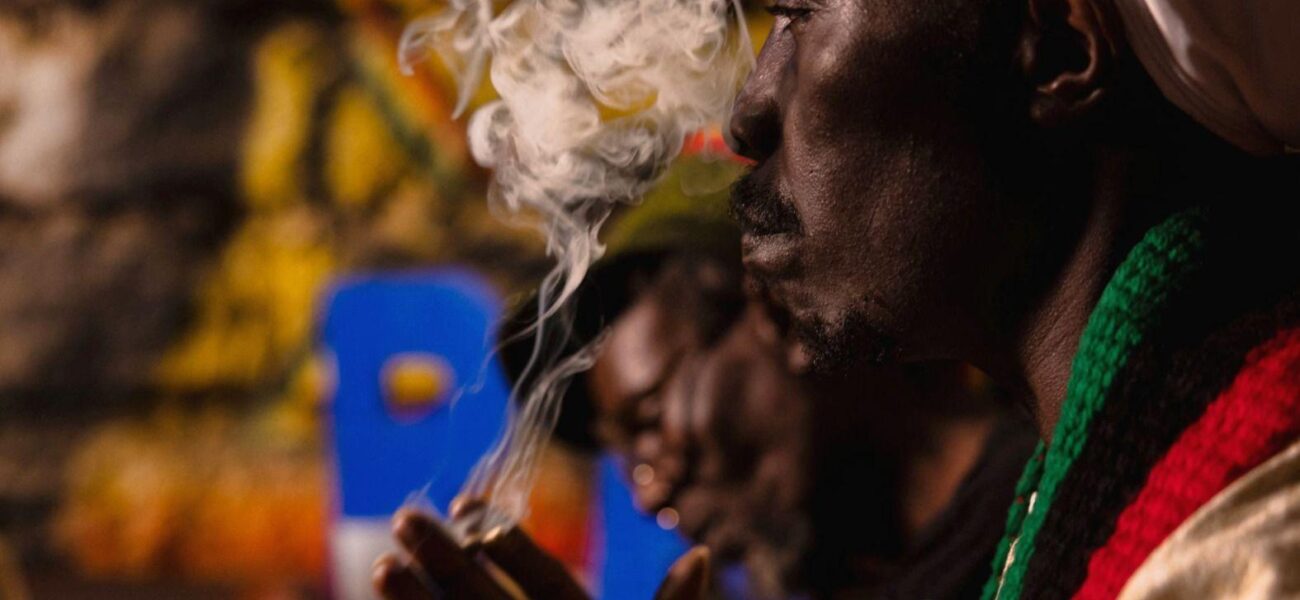
This wasn’t a debate about economics or big business, not primarily, anyway. This was about faith. Rastafarians, adherents of a belief system rooted in Jamaica that venerates Ethiopian Emperor Haile Selassie I, regard ‘ganja’—cannabis—as a holy sacrament, an herb given by Jah for wisdom and meditation. To them, denying its use isn’t merely a legal infringement; it’s a slap in the face of their spiritual journey. And here, in 21st-century Kenya, a legal framework—parts of it dusted off from a British protectorate’s penal code—still considers their sacrament a dangerous narcotic, plain and simple. Imagine the frustration. Imagine being told your church’s wine or your temple’s incense is a street drug.
But the judges weren’t swayed by spiritual arguments, or really, not enough. The court maintained that while religious freedom is a constitutional guarantee, it isn’t, they insisted, an absolute license. It must align with broader public policy concerns, with maintaining law — and order, and with public health dictates. It’s a pragmatic line, isn’t it? “The rule of law isn’t dictated by spiritual preference alone,” offered a judicial source close to the proceedings, requesting anonymity due to protocol. “It’s about balancing constitutional rights with public order and health; this decision simply reaffirms existing statutes and parliamentary sovereignty.” No revolutionary declarations here, just sober application of precedent. And the message was clear: Parliament, not the judiciary, is the place for changing what counts as illegal.
So, for now, the status quo remains, criminalizing what a significant segment of the global Rastafarian community considers essential to their practice. “They don’t understand, do they?” lamented Ras Tafari Kenyatta, a Rastafarian community elder from Mombasa. “Ganja isn’t a drug for us; it’s our sacrament, our path to Jah. They’re criminalizing faith itself, pushing us further into the shadows. We’re peaceful people, asking only to worship as we believe.” It’s a plaintive cry against what feels like systemic misunderstanding, an age-old tussle between state authority and individual conscience that never quite resolves. Think about it: a spiritual tradition with ancient roots, running headlong into statutes designed generations ago to control colonial populations.
This Kenyan case reflects a much broader phenomenon across Africa and, for that matter, much of the developing world, especially regions with complex relationships to colonial legal inheritances. Consider Pakistan or other South Asian nations, where local use of cannabis for cultural or traditional purposes—often a casual bhang consumption for relaxation or religious festivity—exists in uncomfortable tension with strict national anti-narcotics laws. The discrepancy is stark. Because while global attitudes towards cannabis are softening—North America has seen widespread legalization, and parts of Europe are moving towards it—many post-colonial states are stuck. They’re trying to police moral lines often drawn by distant colonial powers, sometimes even in the face of clear economic opportunities from legalization.
📄 POLICY WIRE WHITEPAPER PUBLISHED: PAKISTAN'S NATIONAL SECURITY POLICY PRIORITIES
👉 READ BY CLICKING HEREThe implications aren’t just for faith groups. They ripple through the criminal justice system. They burden individuals who face charges for practices they see as harmless, or even sacred. It means a continued, active black market. It’s no secret that the global illicit cannabis market is gargantuan. The UN Office on Drugs and Crime (UNODC) estimated in its 2023 World Drug Report that its value runs into tens of billions of dollars annually, often fueling organized crime. This is cash that sidesteps legitimate economies and regulatory bodies, leading to its own host of societal headaches, from corruption to gang violence.
This particular judicial outcome isn’t an isolated incident; it’s a moment in an unfolding saga about how African nations reconcile their historical legal frameworks with modern constitutional demands and evolving social norms. Nations like Kenya often find themselves grappling with laws imported whole-cloth during their colonial past, sometimes without fully adapting them to local realities and diverse cultural or religious practices. The ongoing discussion about post-colonial legal legacies isn’t just academic, as Gibraltar’s own legal adjustments to European free movement suggest; it has real, daily impact on millions. In Kenya, it simply means that, for now, if you’re Rastafarian, your sacrament remains firmly outside the bounds of legality. A complicated world, isn’t it?
What This Means
This High Court decision isn’t just about Rastafarians and ganja; it’s a microcosm of several deeper currents within Kenyan governance and, indeed, the broader East African political landscape. Politically, it showcases a judiciary keen to defer to legislative authority on sensitive social issues, effectively punting the reform ball back to Parliament. This reluctance by the courts to interpret religious freedom broadly enough to include such contentious practices limits the space for civil liberties expansion through judicial activism. Economically, maintaining the prohibition status ensures the continued flourishing of an informal, untaxed—and often violent—cannabis trade. If the crop were regulated, even for specific uses, it could inject much-needed revenue into a nation always looking for new economic streams. Instead, authorities keep chasing a shadow industry, draining resources that could be used elsewhere. For the Rastafarian community, it translates into continued marginalization and a constant threat of legal entanglement, potentially hindering their full integration into mainstream society and fueling grievances that don’t simply dissipate because a court has spoken. It’s a holding pattern, not a resolution, and the pressures for reform, social and economic, aren’t going to vanish anytime soon.