


Summer League Spectacle: A Glimmer of Hope or Just Another High-Stakes Wager in Vegas?
POLICY WIRE — Las Vegas, Nevada — Forget the scorching desert sun; the real heat in Sin City this past week simmered beneath the veneer of hopeful basketball. While the public devoured highlights of...

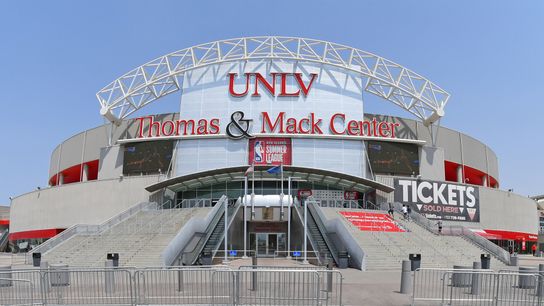
POLICY WIRE — Las Vegas, Nevada — Forget the scorching desert sun; the real heat in Sin City this past week simmered beneath the veneer of hopeful basketball. While the public devoured highlights of burgeoning rookies and bench warmers — a 28-foot three-pointer here, a thunderous dunk there — the annual NBA Summer League wasn’t just about dunks and dazzling assists. No, this was a high-stakes commodities market, thinly disguised as sport, where executives gamble millions on glimpses of ‘potential’ under glaring lights.
The Lakers, predictably, became the marquee act. They strolled to a perfect 3-0 run in their opening appearances, topping their crosstown rivals, the Clippers, 99-85 in a match that, for many, defined the early proceedings. And Cameron Carr, their 24th overall pick, certainly flashed a future. The kid poured in 23 points, an impressive display of burst and finesse that had observers murmuring about his fit on JJ Redick’s squad.
But you know how it’s in this business: one good game in August can turn a fringe prospect into a perceived savior. Clippers coach Tyronn Lue, famously cautious, wouldn’t be drawn into the hype cycle surrounding these summer skirmishes. “Every possession counts, sure, but nobody wins a championship in Summer League, do they?” Lue mused in a brief hallway chat, his voice flat, bordering on weary. “It’s a measuring stick. You see where a guy’s got work to do. Always work to do.” It’s true; the raw stats can deceive, the atmosphere different, the stakes… well, ostensibly lower.
Carr’s breakout, an 8-0 solo run in the third quarter against the Clippers, saw him shaking defenders like loose change. An ‘and-one’ finish, a silky mid-range jumper, then that audacious long-range triple — a pure heat check. He seemed, for a few scintillating minutes, untouchable. Chris Manon contributed 17 points and 11 boards, a double-double that underscored the Lakers’ overall strength in depth (they had five players in double figures). Meanwhile, the Clippers, at 1-2, found themselves chasing shadows early, trailing by 16 at the half, never quite recovering. Their early game three-point shooting, a paltry 1-for-7, really dug them a hole. Kobe Sanders’ 18 points were a flicker of light, but not enough to offset the Laker surge.
Rob Pelinka, the Lakers’ general manager, maintained a pragmatic outlook even as smiles abounded. “Look, you’re not drafting finished products, are you?” Pelinka was quoted saying, a glint of the executive’s perennial optimism in his tone. “It’s about flashes, about showing us that upside. What Cameron showed… that’s the kind of thing you build a franchise on, even in August. But the real work, it always starts after Vegas, doesn’t it?” A fair point; this is, after all, only a prologue.
Because, beyond the specific matchup, Vegas teemed with similar narrative threads. The Brooklyn Nets dismantled the Kings 115-83; the Grizzlies notched a 106-85 win over the Warriors. Young hopefuls like Egor Demin and Javon Small delivered performances worthy of note, painting a vibrant, if chaotic, canvas of emerging talent. It’s an interesting scene, this collision of youthful exuberance — and the brutal economics of professional sports.
Even in distant Pakistan, where the passion for cricket — and football runs bone-deep, the NBA’s magnetic pull persists. Social media buzzes; highlights travel the globe in milliseconds. Younger demographics there aren’t just following local legends; they’re dissecting every play from a Summer League rookie, envisioning global superstardom. It isn’t just about American sport anymore; it’s a colossal exercise in cultural diplomacy, in brand export, touching corners of the world few could have imagined two decades ago. But are these fleeting glimpses of talent worth the multi-million-dollar bets placed on them?
What This Means
The Summer League isn’t just a friendly exhibition; it’s an economic proving ground. Teams commit massive resources—scouting budgets, coaching staff, developmental programs—to these brief, intense tryouts. Every flash of brilliance from a Cameron Carr is dissected by a dozen analytical departments, translating quickly into revised contract projections and marketing opportunities. This intense, accelerated evaluation process reflects a broader trend in talent acquisition across industries. Corporations, not just sports teams, are increasingly seeking out high-risk, high-reward investments in unproven, yet ostensibly ‘high-potential,’ individuals. It’s a calculated gamble on future dividends, often irrespective of current output. But it’s also a stark reminder of the globalized nature of modern sport: according to a 2023 Deloitte report, the NBA’s global audience reach surpassed 1.5 billion across all platforms, with significant year-over-year growth in emerging markets like South Asia. These rookie displays aren’t just for American fans; they’re content for a world hungry for the next big thing, the next celebrity export. This creates a pressure cooker for these young athletes, tasked with delivering returns on an investment long before they’ve even truly settled into their professional lives.
Ultimately, these Vegas exhibitions are a strange concoction: part earnest effort, part brutal audition, and part speculative trading floor. The winners walk away with more than just bragging rights; they walk away with validated theories, renewed investor confidence, and the potential to reshape their financial futures. For everyone else? Well, there’s always next summer.