

Traffic Stop Stirs Nevada: Governor’s Immunity Questions Rule of Law
POLICY WIRE — Carson City, NV — Picture it: the quiet whir of an engine, the sudden flash of blue and red, that familiar pang of dread when you see the patrol car’s lights in your rearview. For...

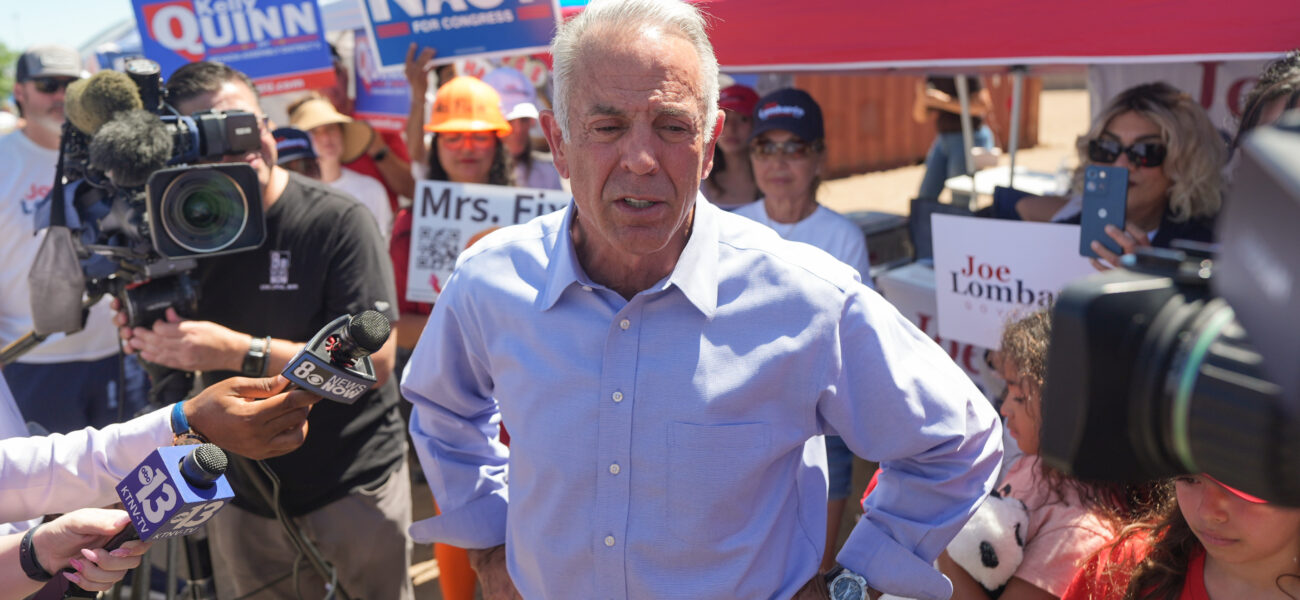
POLICY WIRE — Carson City, NV — Picture it: the quiet whir of an engine, the sudden flash of blue and red, that familiar pang of dread when you see the patrol car’s lights in your rearview. For most folks, it’s just a routine traffic stop. A ticket, a warning, maybe a bit of a scolding. But for Nevada Governor Joe Lombardo, it seems, the rules are often a little—flexible. This wasn’t some dramatic chase scene; it was a casual interaction that’s got people talking, or rather, mumbling about whether some folks just glide through life without consequence.
It’s a peculiar thing, the way power sometimes operates in plain sight, disguised as deference. The incident—a simple traffic stop—reportedly concluded without a citation, leaving a rather familiar question lingering in the arid Nevada air: is justice truly blind, or does it squint a little when confronted with a high-profile name? We’ve all seen it, haven’t we? That little wink and a nod, the knowing recognition that separates the everyman from, well, someone a bit more consequential. [QUOTE_PLACEHOLDER]
The details, sparse but pointed, painted a picture of a polite exchange where the state’s top executive identified himself. I’m Joe Lombardo. That simple declaration, it seems, carried more weight than any speed gun reading. Because the governor, pulled over for an unspecified infraction, wasn’t ticketed after being pulled over in a traffic stop. No hefty fine, no points on the license, no exasperated sigh after dealing with DMV paperwork. Just a friendly wave-off. For the average Nevadan battling inflation or waiting in line at the Department of Motor Vehicles, this sort of thing—this soft-glove treatment—doesn’t sit quite right. It can’t, frankly, because it chips away at the foundational belief that everyone is indeed equal under the law.
And let’s be real, public perception here is everything. It’s not about the severity of the alleged infraction; it’s about the optics. It’s about the system working differently for different people. This particular incident, quickly making the rounds in local political circles, highlights a perennial tension between the ideal of universal law enforcement and the messy reality of political stature. They’ve always said power corrupts, but sometimes, it just exempts.
Consider the broader implications. In regions like South Asia, for instance, such perceived elite immunity is practically baked into the cake of public cynicism. Pakistan, a nation where political chronologies often highlight official impunity, knows this dance well. The sight of a local strongman or a high-ranking bureaucrat casually bypassing legal strictures is not an anomaly there; it’s practically a national pastime. The casual disregard for the same laws applied to the common citizen creates deep-seated distrust in state institutions. So when something similar—even on a smaller, arguably less systemic scale—happens in a U.S. state, it echoes. It reminds folks everywhere that, no matter the country, power dynamics often warp the pursuit of true justice. We expect more, or at least we say we do.
But how much does it really matter? The American public, for one, already harbors significant doubts. A 2023 Gallup poll indicated that only 25% of Americans have a great deal or quite a lot of confidence in the criminal justice system. That’s a staggering drop from decades past. Small incidents, like a governor avoiding a ticket, are tiny erosions, sure. But they add up. They feed the narrative that there’s a distinct upper echelon who plays by a different set of rules.
📄 POLICY WIRE WHITEPAPER PUBLISHED: PAKISTAN'S NATIONAL SECURITY POLICY PRIORITIES
👉 READ BY CLICKING HEREIt’s this erosion that makes such an event newsworthy, even when the actual event is minor. Because it’s not just about a few dollars saved or a minor inconvenience avoided. It’s about a consistent narrative—globally, mind you—where political figures sometimes appear to transcend the very laws they help create or enforce. It doesn’t inspire confidence, not in Karachi, — and certainly not in Carson City. This isn’t rocket science; it’s just human nature meeting political reality.
What This Means
This episode, however seemingly minor, carries genuine political weight for Governor Lombardo. It’s less about the traffic infraction itself — and more about the perceived exceptionalism. Voters, regardless of party affiliation, tend to harbor a deep-seated dislike for what they see as special treatment for the politically connected. For a relatively new governor, establishing an image of fairness and adherence to common standards is, like, everything. This incident, while likely not career-ending, adds a tiny crack to that facade. It opens him up to easy criticism—his political opponents won’t miss the chance to jab at the “two-tiered justice system” narrative. And they’d be silly not to, wouldn’t they?
Economically, such perceptions—though indirectly—can chip away at trust in governance, potentially affecting compliance with regulations or public initiatives down the line. If the average citizen feels the rules don’t apply to everyone, why should they go out of their way? It cultivates a casual cynicism. Long term, it’s a drag on the legitimacy of state institutions. We’ve observed this dynamic in emerging economies, where perceived corruption or favoritism often stunts economic growth and discourages foreign investment; because no one wants to play in a rigged game. And that, in Nevada, is just bad for business. For a governor trying to manage a diverse economy and a rapidly growing populace, maintaining an image of impartial governance isn’t a bonus—it’s essential. Anything less risks sowing further distrust.
So, yes, it was just a traffic stop. But in the world of policy — and politics, nothing’s ever just anything, is it? Especially when a simple declarative sentence can apparently alter the outcome of a roadside encounter.