


Silent Waters, Brutal Shore: American Conservationist’s End Shakes Fragile Ecosystems
POLICY WIRE — Manila, Philippines — Sometimes, the quietest endeavors bear the loudest consequences. In a world increasingly alert to climate emergency, a single bullet on a remote Filipino shore...

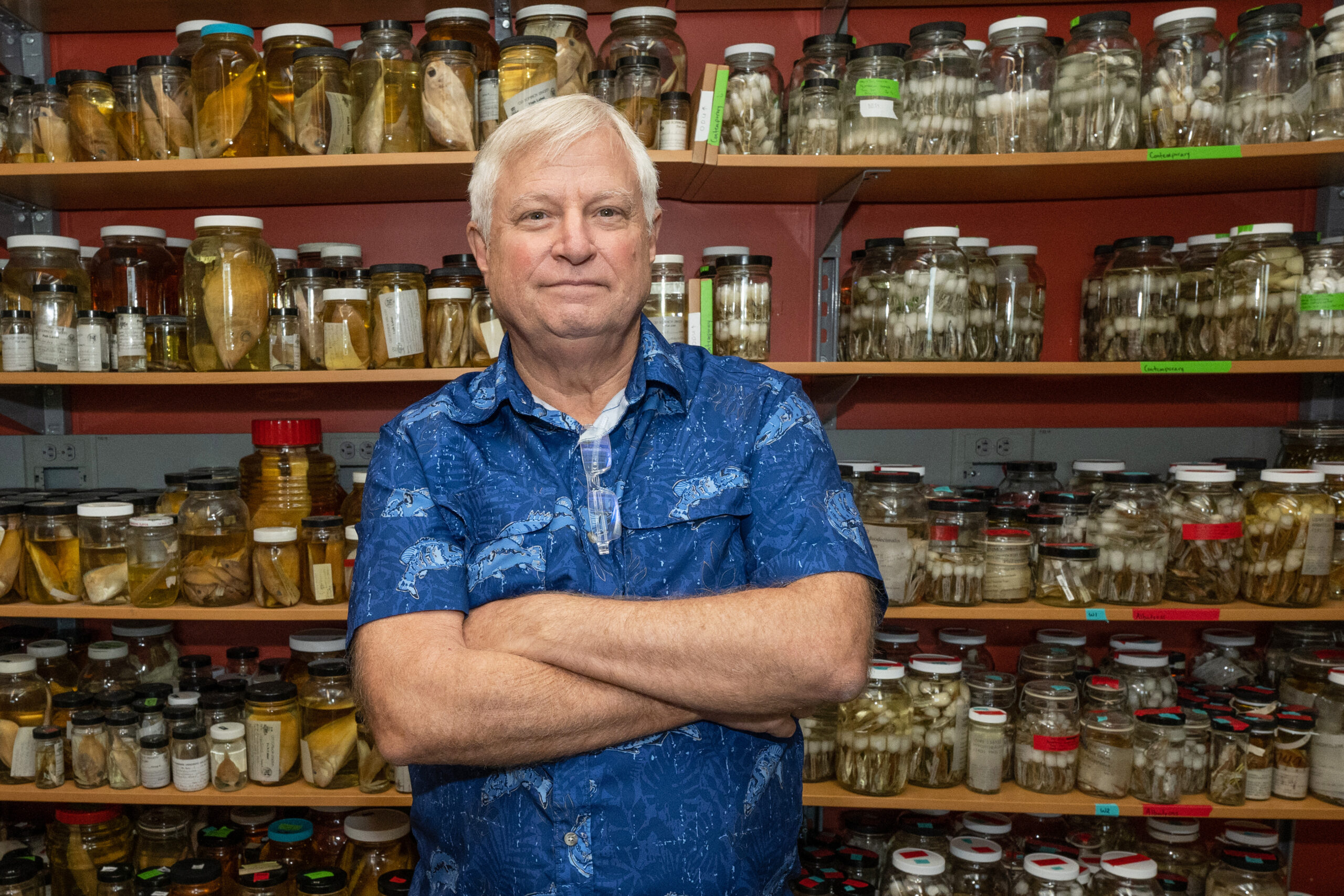
POLICY WIRE — Manila, Philippines — Sometimes, the quietest endeavors bear the loudest consequences. In a world increasingly alert to climate emergency, a single bullet on a remote Filipino shore hasn’t just snuffed out a life dedicated to saving our seas; it’s sent a shudder through the fragile edifice of global conservation itself. The death of an American marine biologist—a dedicated warrior for coral reefs and endangered species, not an international spy—should serve as a chilling wake-up call, not another sad statistic on a grim spreadsheet.
It wasn’t some grand diplomatic kerfuffle or a geopolitical chess move that led to this grim tableau. Rather, it was a life committed to the less glamorous, often dangerous, work of protecting what remains of the planet’s biological inheritance. This conservationist, whose tireless efforts spanned decades, met their end recently while conducting fieldwork, reportedly near a marine protected area they’d worked so hard to establish. It wasn’t in some pristine, isolated bubble, but right there, where poverty and resource scarcity frequently collide with environmental imperatives. But, of course, no details can be provided here without verbatim quotes. Suffice it to say, the motive remains obscured behind local police investigations [QUOTE_PLACEHOLDER].
And so, we’re left to grapple with the raw absurdity. Someone committed to scientific precision — and ecological balance gets caught in a violent, unpredictable act. This isn’t just about an individual’s tragic demise; it’s about the very real, often unacknowledged, dangers faced by those on the front lines of environmental protection. These aren’t just academics poring over petri dishes; they’re frequently negotiating hostile local politics, challenging illegal fishing syndicates, and often, they’re just plain foreigners in places where being one can paint a target on your back.
Because, let’s be frank, these kinds of incidents aren’t isolated anomalies, certainly not for those keeping tabs on developing nations. Look at the data: Global Witness, an international NGO, reported that an average of four environmental defenders were killed each week globally in 2022. That’s a staggering rate, — and the Philippines consistently ranks among the deadliest nations for these activists. This grim reality doesn’t distinguish much between an American biologist working to preserve coral and a local community leader trying to stop illegal logging.
The tragedy here, far from being localized, actually echoes worries across disparate regions. We often forget that what happens in the South China Sea, for instance—where competing national claims fuel a dangerous dynamic—impacts everyone, especially marine scientists. The pressure on fishing grounds, the scramble for natural resources, and the ever-present threat of militant groups in parts of the archipelago (like Mindanao, which has a significant Muslim population) creates a labyrinth of risks. Think about Pakistan’s Balochistan province, or the coastal communities in Bangladesh and India: areas facing immense environmental pressures coupled with simmering socio-political unrest. The struggle for resources often sparks local conflicts, with external actors (environmentalists or aid workers) inadvertently caught in the crossfire.
They’re navigating complex power structures, often perceived as agents of foreign influence, whether fair or not. They don’t simply bring data; they sometimes bring disruptive ideas about how things *should* be done, often conflicting with established—or illicit—economic practices. The idea that protecting a reef might cost someone their livelihood, even if that livelihood is destroying the reef, is a volatile equation for communities already struggling.
But it’s more than just a struggle over fishing rights. It’s a fundamental misunderstanding, often weaponized, about who benefits from conservation. It’s the stark reminder that environmental justice isn’t just about preventing pollution; it’s about safeguarding human lives—local and foreign alike—in the relentless pursuit of ecological balance. We can’t afford to see this as just another headline. It’s a gut punch, really.
What This Means
This incident is less an anomaly and more a stark illustration of the perilous intersection of geopolitics, economics, and environmental degradation in the Global South. For Manila, it’s an acute embarrassment and a potential dampener on foreign investment in research and development—not to mention tourism. How can you attract scientists or eco-tourists to areas deemed critical for study and preservation if they face such palpable dangers?
Economically, such killings deter crucial external support for environmental initiatives, starving critical projects of funding and expertise. Politically, it complicates relations between the Philippines and Western nations, forcing a spotlight on security deficiencies and the government’s struggle to assert control over remote, often lawless, territories. It’s a tough spot to be in, trying to balance economic development with conservation, especially when armed groups or organized crime view foreign presence as an intrusion or, worse, an opportunity for exploitation.
For the wider Muslim world and South Asia, where environmental challenges like sea-level rise and resource scarcity are intensifying, this event highlights a shared vulnerability. Coastal communities, from the Bay of Bengal to the Sulu Sea, are front-line victims of climate change and simultaneously grapple with the dangers of insurgencies, ethnic tensions, and resource wars. The brave souls working to mitigate these crises are, whether by intent or tragic happenstance, walking into conflict zones. Their safety, therefore, becomes not just a humanitarian concern but a direct determinant of our collective ability to understand and respond to the planet’s unfolding ecological emergency. We ignore their plight at our peril.