

Raccoon Diplomacy: How Haaland’s Plush Toy Exposes Football’s Global Power Plays
POLICY WIRE — Munich, Germany — A stuffed raccoon. Drinking whiskey, no less. That’s what Erling Haaland—the Norwegian goal-scoring machine, a marketing behemoth in cleats—forked over seven hundred...

POLICY WIRE — Munich, Germany — A stuffed raccoon. Drinking whiskey, no less. That’s what Erling Haaland—the Norwegian goal-scoring machine, a marketing behemoth in cleats—forked over seven hundred and fifty bucks for after ripping through the FIFA World Cup 2026. It followed me home 🦝🤣, he deadpanned on X, featuring an artifact from Wild Bill’s Western Store in Dallas, Texas. An authentic piece of American culture, observed analyst Joe Pompliano, as if a plush toy could ever be truly authentic. But here we’re. It’s an oddly perfect encapsulation of modern football: staggering sums, fleeting whims, and the public clamor for a scrap of personality from players who often feel more like carefully manufactured brands. This isn’t about just goals anymore; it’s about branding, baby. And global impact.
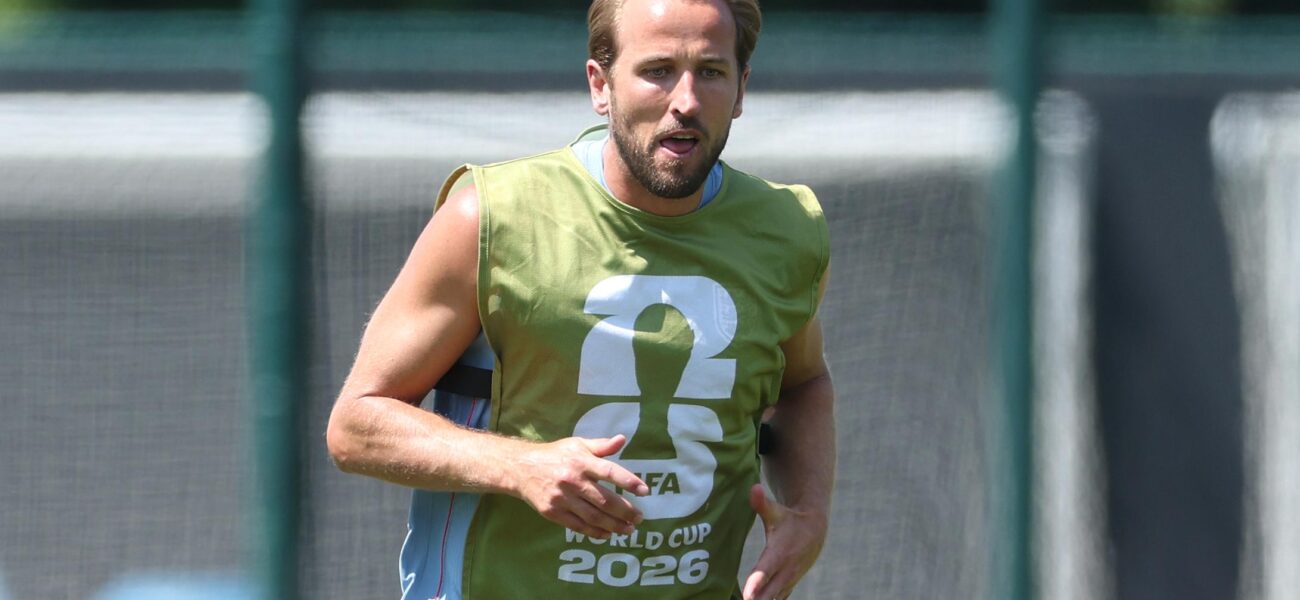
Because when you talk about global impact, you can’t ignore the seismic shifts occurring off the pitch, fueled by sovereign wealth. Across the globe, beyond the German Bundesliga or England’s Premier League, a different kind of game plays out. It’s a battle not just for talent, but for influence, for narratives. Just look at the rumors now swirling around Harry Kane. While he looks like he’s set to ink a contract extension with Bayern Munich, that hasn’t stopped some transfer rumors from seeping into the news cycle—and into a critical geopolitical arena. Al Hilal has — allegedly — made contact with Kane’s camp, according to the Swiss branch of Sky Sport. And so it goes. [QUOTE_PLACEHOLDER]
For weeks, the Saudi Arabian club, backed by immense state coffers, reportedly explored a possible transfer for one of Europe’s premier strikers. Kane reportedly wants to consider the sporting and financial offer from the Saudis before deciding on his future. But these aren’t merely bids for individual players; they’re calculated moves in a grander strategy, an athletic soft power initiative reshaping not just Middle Eastern sports, but the global financial architecture of the game. For years, Europe has been the undisputed financial and talent epicenter of football, a sort of financial Fortress Europa for its superstar athletes. But that dominance, much like other traditional global powers, feels like it’s facing serious challenges.
The money coming out of Saudi Arabia, and the Gulf States generally, represents an attractive alternative for many—both for the fading stars and the ambitious young. But Kane probably wouldn’t end up heading there. An interesting side-note here, one often overlooked: an exit option reportedly had to be exercised by the end of January and has therefore long since expired, rendering a touted €65million release clause moot. Such clauses often seem more aspirational than actual. Yet, this aggressive spending spree impacts other footballing nations that often look to these wealthier leagues. Consider countries like Pakistan, where football’s popularity is rising, especially among its youth. The global broadcast rights, the constant churn of star power—it all affects their engagement, drawing them into the orbit of these financially muscular clubs. The flow of petrodollars into football sets new benchmarks, distorting market values across continents, affecting how smaller leagues, even in relatively less affluent countries, must think about developing and retaining their own local talent. And it brings a kind of celebrity capitalism that even the staunchest cynic finds jarring.
📄 POLICY WIRE WHITEPAPER PUBLISHED: PAKISTAN'S NATIONAL SECURITY POLICY PRIORITIES
👉 READ BY CLICKING HEREWhile Saudi clubs chase established names, European giants still navigate their own, equally complex, power struggles. Bayern Munich, for instance, won’t be getting Jules Koundé, despite fading hopes. Bayern Munich have consulted the player’s entourage in recent days to find out his situation and contractual conditions, but apparently to no avail. The word from Barcelona’s camp, per Diario Sport, is that his priority is still to continue at Barça, and he doesn’t contemplate a change of scenery this summer. It was hard to fathom how it would work if the interest was real, according to club observers, pointing to depth (which Bayern Munich has now) and overkill. Sometimes, you just can’t buy everything—even if you’re Bayern. The global marketplace for athletic talent feels less like a smooth-running machine and more like a series of erratic bids and strategic withdrawals, punctuated by surprise additions like Brighton & Hove Albion nabbing Luka Vušković from Tottenham Hotspur. The price of fame is relative; its procurement is often convoluted. And let’s be frank, watching Robert Lewandowski, one of the modern game’s great marksmen, start his Chicago Fire career still feels a bit surreal, a testament to the cold logic of spectacle rather than traditional athletic ascent.
What This Means
These seemingly disparate headlines, from a bizarre stuffed raccoon to high-stakes transfer sagas, paint a picture of a football world—and by extension, a global economic landscape—in flux. It’s no longer just about who scores the goals, but who controls the capital and, crucially, the narrative. The influx of Gulf wealth into European football is a strategic long play. It aims to diversify economies, polish national images, — and expand spheres of influence. The implications stretch beyond sport, subtly influencing diplomatic relations and perception, particularly within the Muslim world where football commands fervent devotion. Consider the economic impact: as these new money hubs grow, they create alternate markets, forcing established European leagues to adapt, often through increased commercialization or deeper ties to state-backed entities. The bidding wars for players become a proxy for geopolitical competition, with nations essentially exporting their financial clout. And for us regular folks, it means our consumption of sport, even our quiet appreciation of a striker’s prowess, is now inextricably linked to sovereign investment funds and complex international strategies, turning every World Cup or league match into something much more profound than just a game.